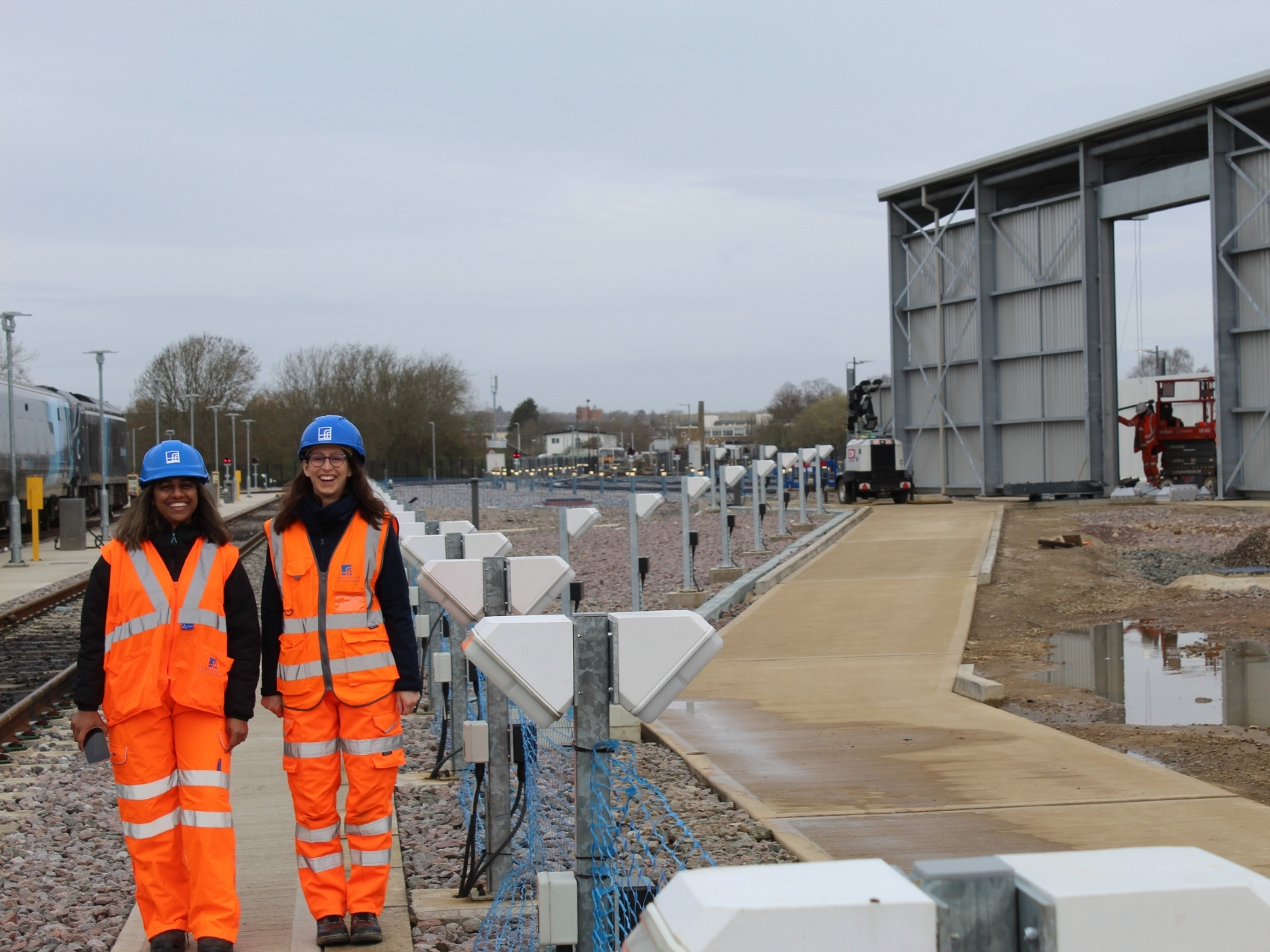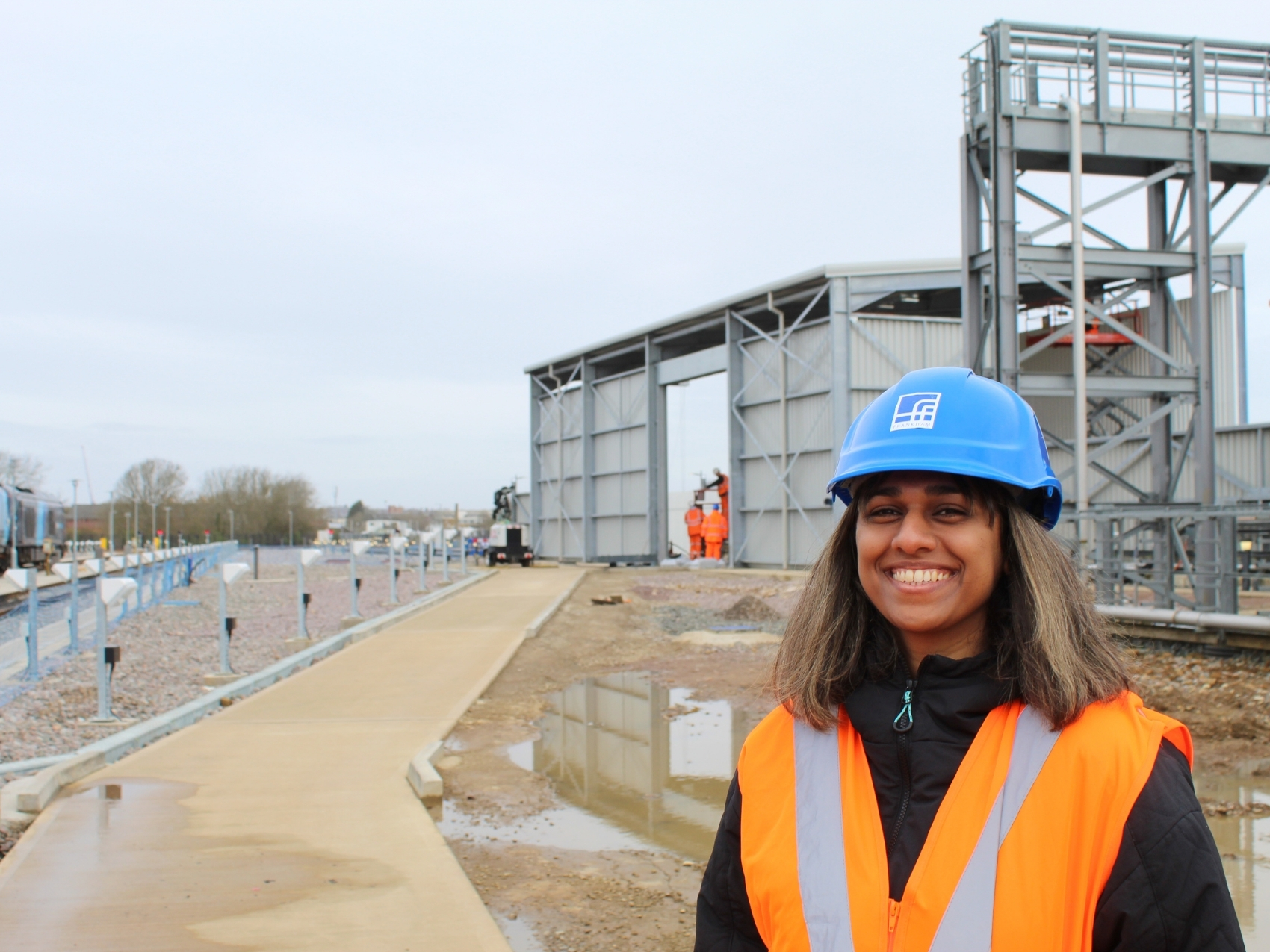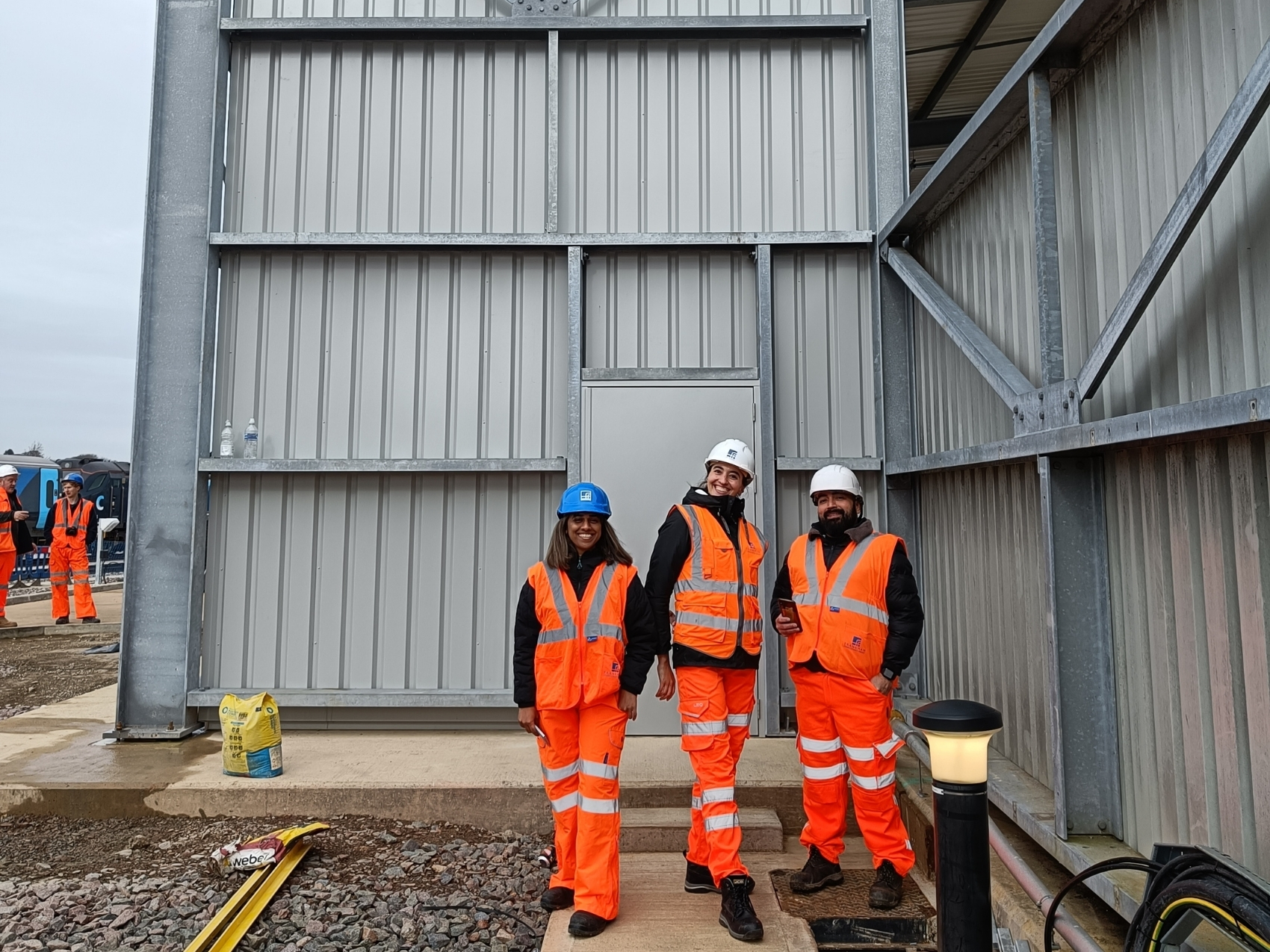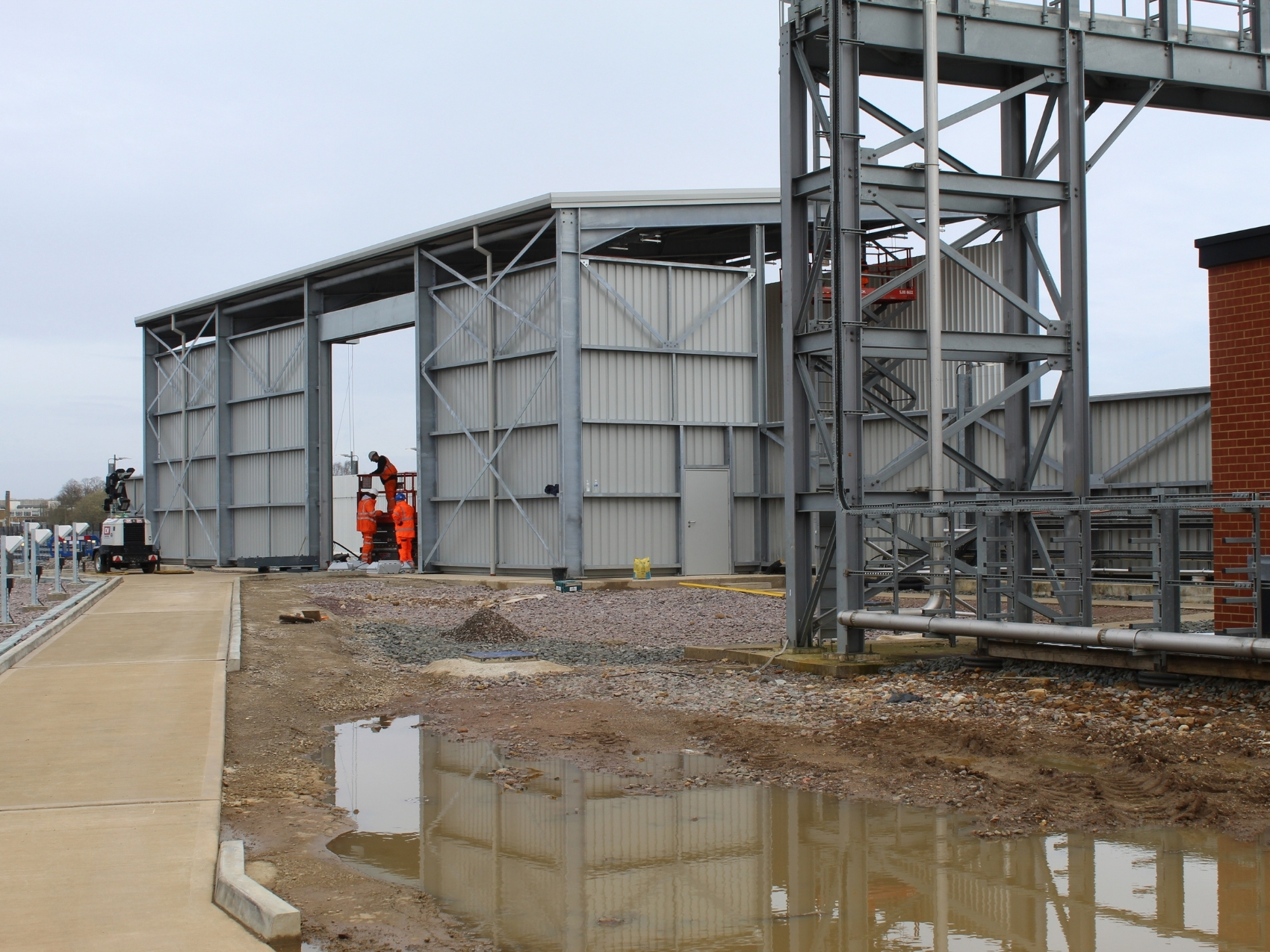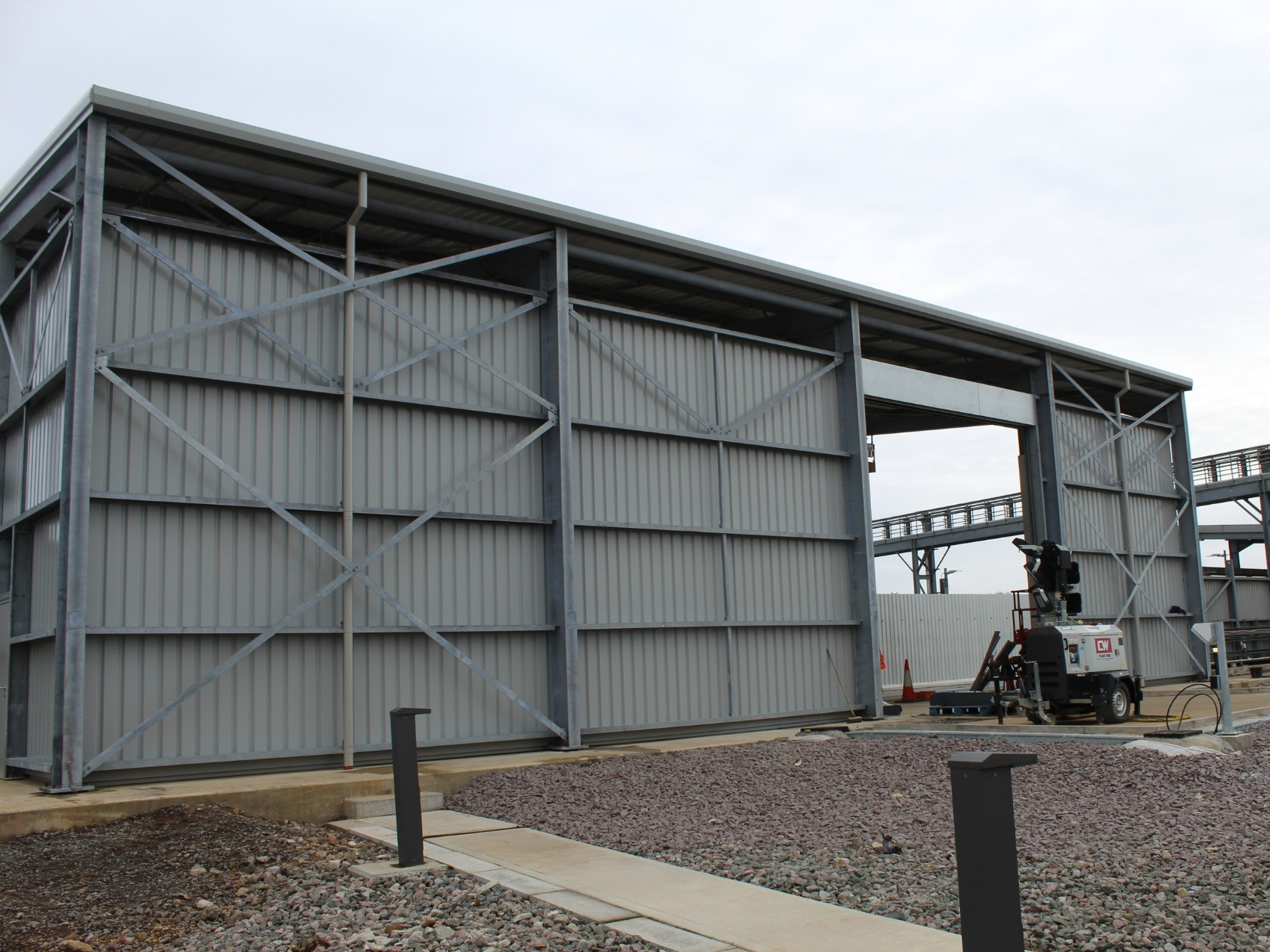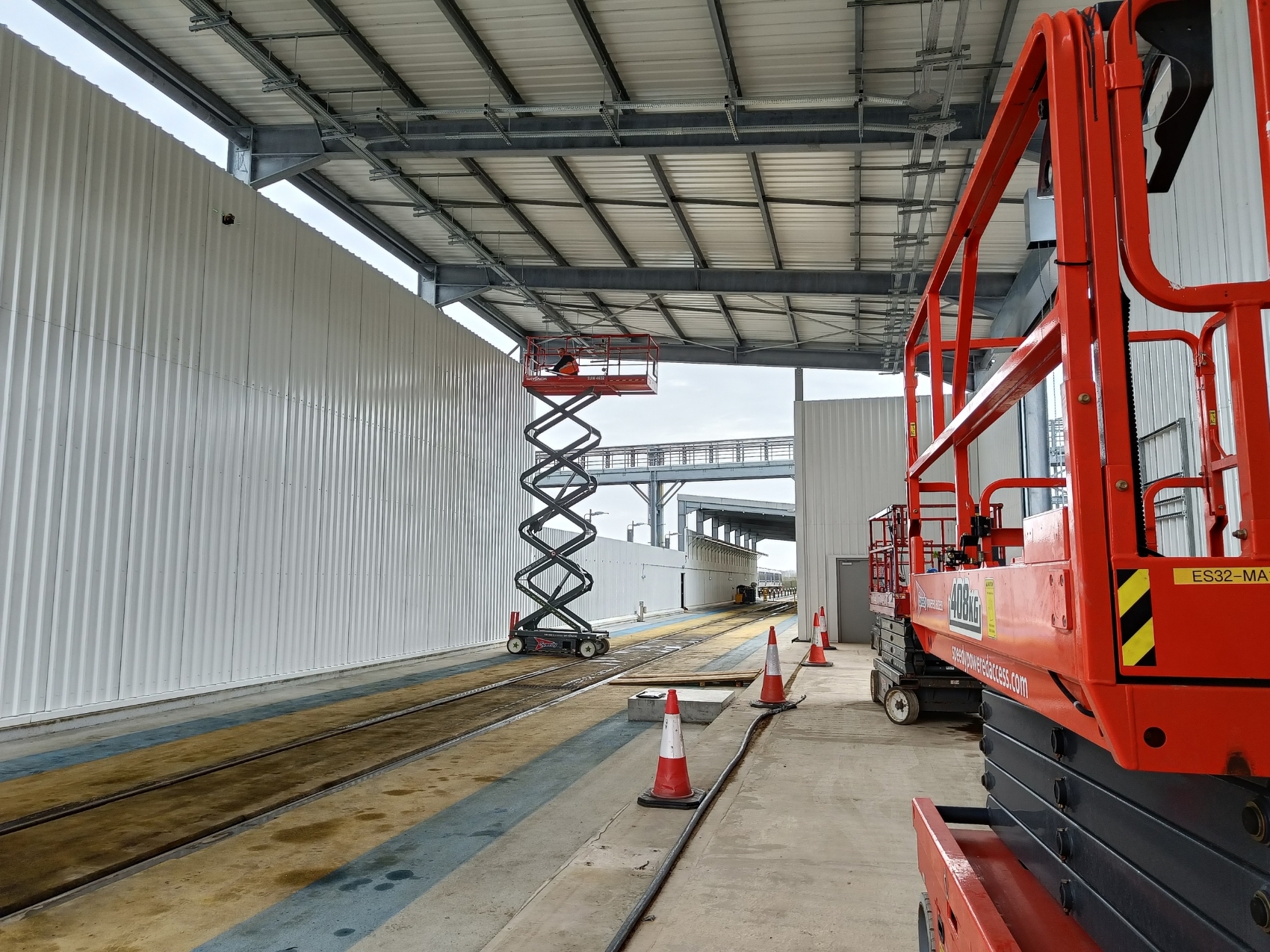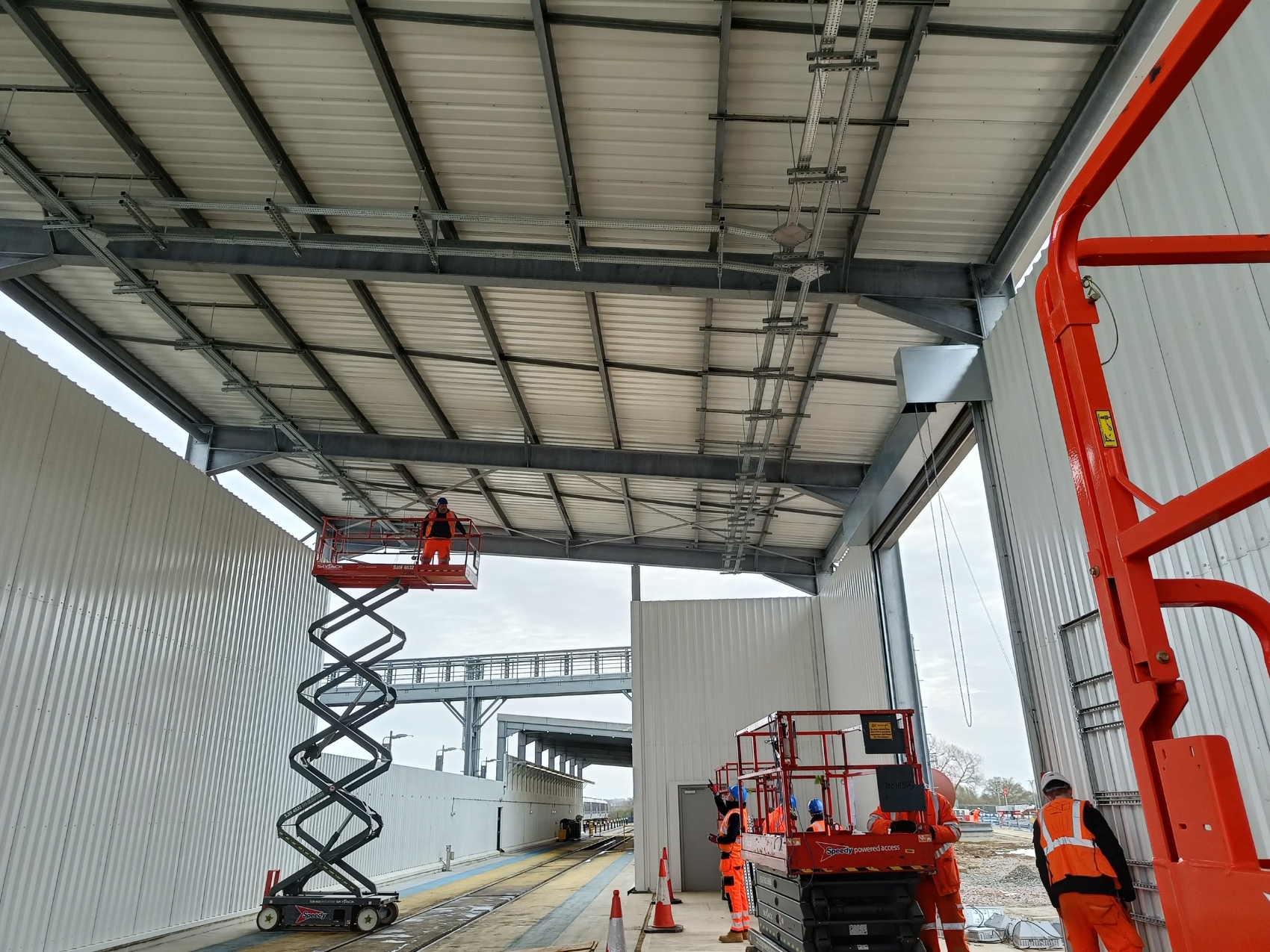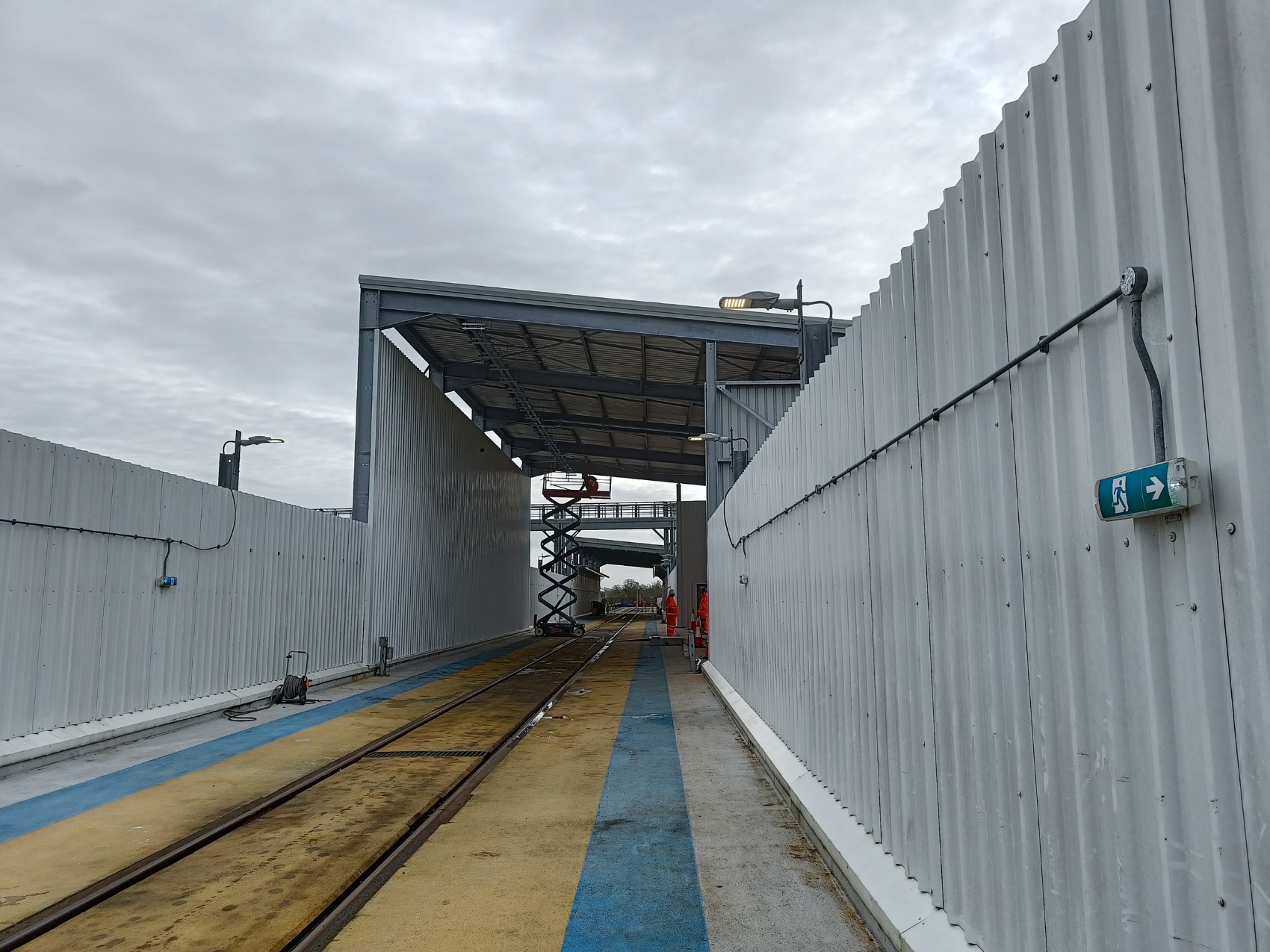
Banbury Depot.

Transport
Overview

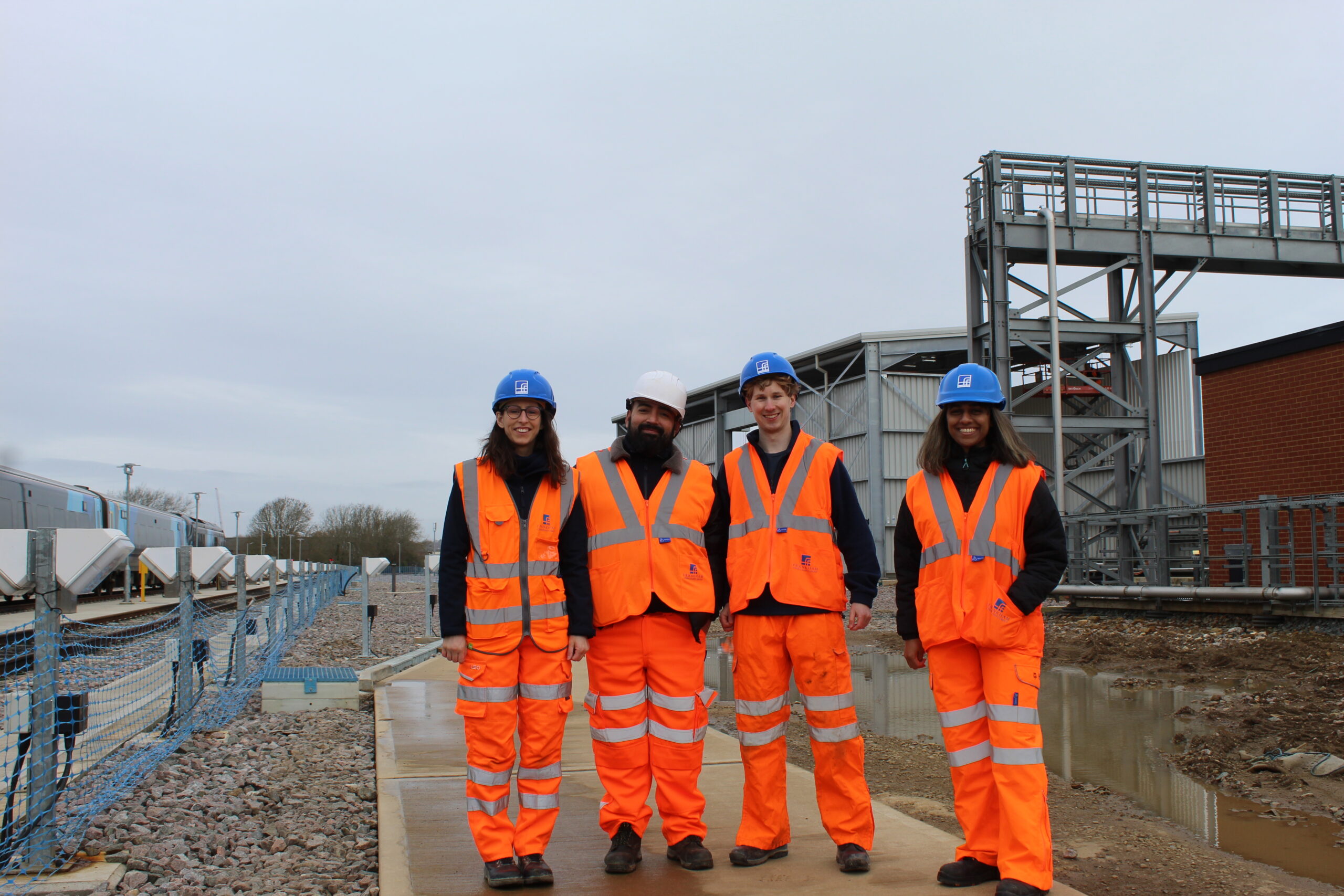
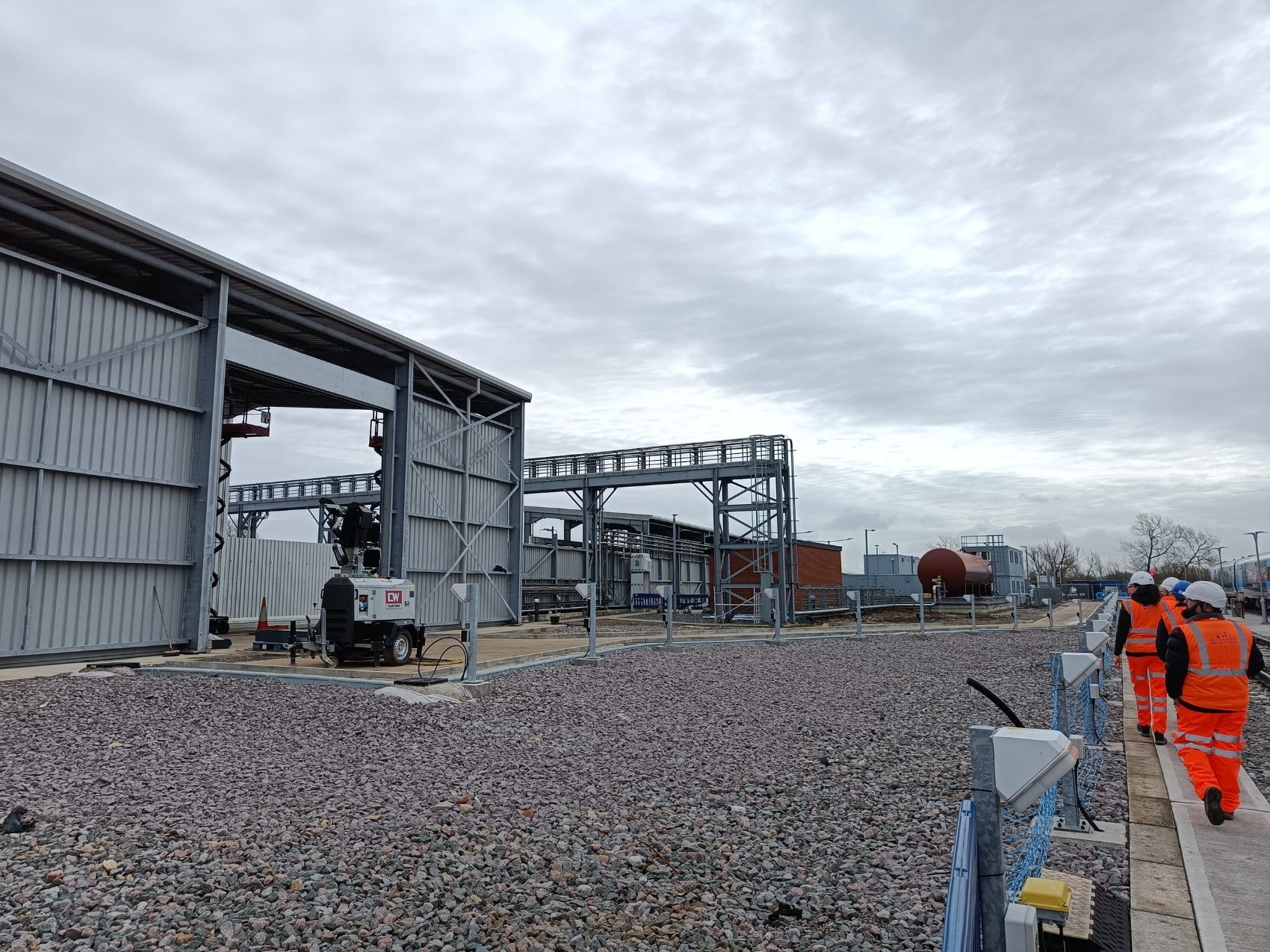
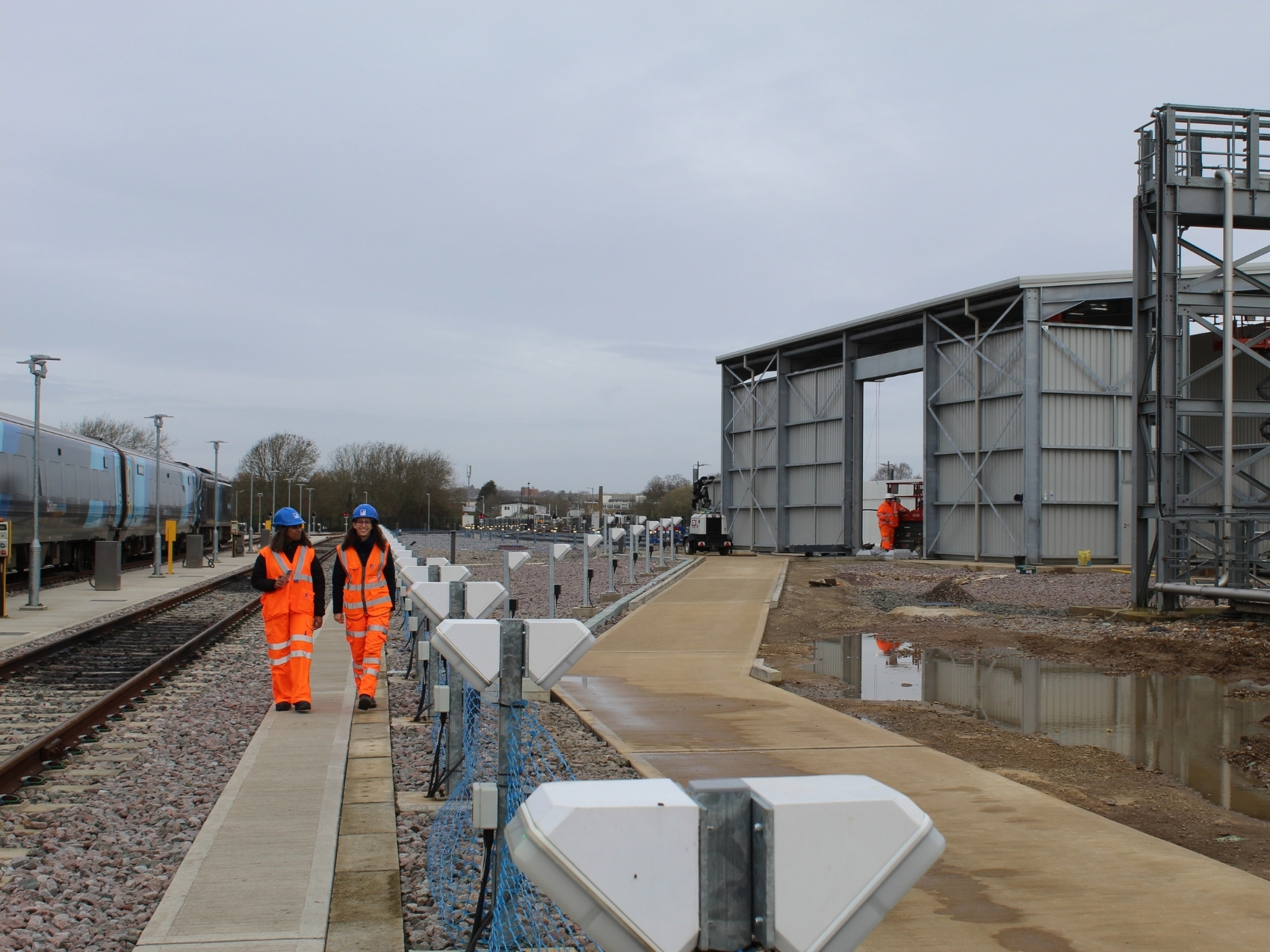
Frankham was appointed to deliver the multidisciplinary design for a new HVAC Maintenance Building at Banbury Light Maintenance Depot for Chiltern Railways.

Client
  • The Chiltern Railway Company Limited
Location
  • Banbury, Oxfordshire
Sector
The challenges

The project was located within a live operational depot, with limited space due to adjacent sidings and existing assets.

The design needed to respond to these constraints while accommodating new infrastructure. Existing signalling and telecommunications systems had to remain operational throughout, and below-ground features such as drainage and manholes required accurate integration to avoid clashes during construction. Additional complexity arose from the need to introduce a functional forklift access route within a constrained footprint and to coordinate the building layout with the operational requirements of a jib crane system.

During early design development, it became clear that elements of the initial concept arrangement required refinement to improve coordination and buildability.

Frankham worked collaboratively with the client to review these aspects and develop a more robust and practical solution as the design progressed. Both Approval in Principle and Detailed Design were required within a fixed timeframe to allow the client to commence procurement, meaning the design process had to move efficiently while still maintaining coordination and assurance.

The solutions

Within the live depot environment, the design strategy focused on minimising disruption wherever possible.

Building columns were positioned on the existing concrete slab, reducing the extent of excavation and new structural intervention required on site. This was a simple but effective decision that reduced construction complexity in an already constrained operational setting.

Coordination with M&E and rail systems infrastructure was another key part of the solution. Rather than allowing live signalling and telecoms assets to become a barrier to delivery, Frankham developed a practical diversion solution using split ducting encased in concrete. This enabled the services to remain live and avoided the need for cutting, jointing or retesting, which would otherwise have increased both risk and disruption.

Frankham approached the project proactively and collaboratively, focusing not just on design development, but on improving the scheme itself.

Having identified issues in the original arrangement, the team worked with the client to develop a better solution, including relocating the maintenance building to a different road within the depot where buildability and day-to-day usability were both improved. This early intervention was important. It avoided carrying known constraints further into the project and helped establish a more robust basis for the detailed design.

Added value

One of the clearest examples of added value on the project was Frankham’s decision to produce 3D concept drawings even though this was outside the original scope. Rather than treating visualisation as an optional extra, the team used it to help the client explain the scheme internally and build confidence across different parts of the organisation.

That contribution mattered because it supported more than presentation. It improved understanding, accelerated engagement and helped bridge the gap between technical design development and broader stakeholder buy-in. On projects in constrained operational environments, that clarity can make a significant difference to how efficiently decisions are made and how confidently schemes progress.

Outcome

The project delivered a new HVAC maintenance facility designed specifically for the realities of a live railway depot. By achieving the required design outputs within a tight programme, Frankham enabled Chiltern Railways to move into procurement without delay and maintain momentum on the wider depot improvement initiative.

The final design combined operational practicality with long-term value. Key decisions, including the positioning of columns on existing infrastructure and the diversion of live cables without service interruption, reduced the impact of the works on depot operations. The forklift route was integrated carefully enough to avoid unnecessary diversions and maximise the use of a constrained footprint.

The end result is a modern, efficient and low-maintenance facility that improves safe access for roof-level maintenance, strengthens operational capability and supports the long-term performance of the depot.
Project lead
Ashkan Rohani
Ashkan Rohani,
MEng (Hons) CEng MICE CMgr MCMI
Director of Infrastructure Engineering
Project Location
Oxford
Banbury