Frankham delivered a full Mechanical, Electrical and Public Health (MEP) design for the multimillion-pound refurbishment of a prestigious East Sussex heritage site.
- Trail Group
- Battle, East Sussex
The primary challenge was a critically compressed timeline.
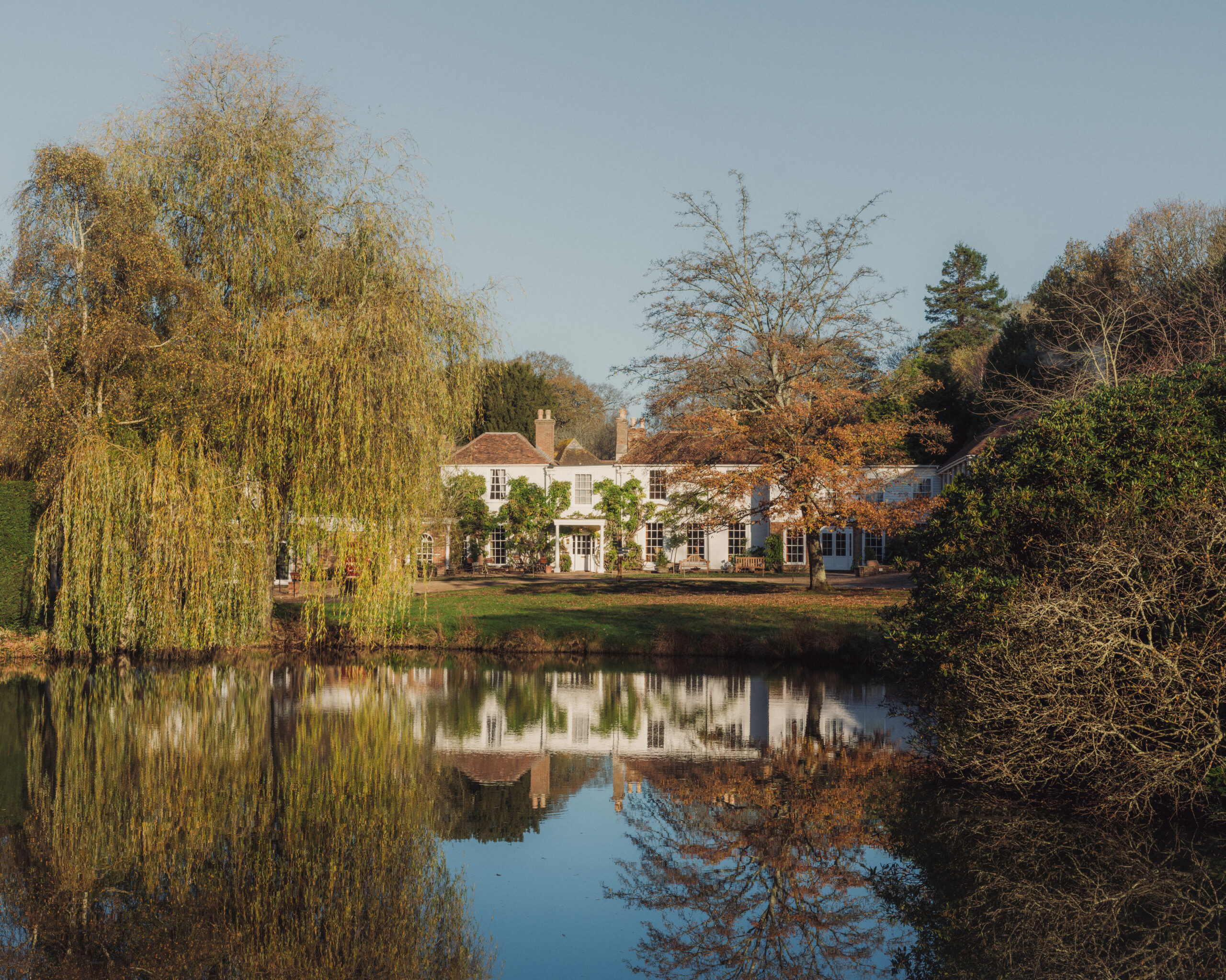
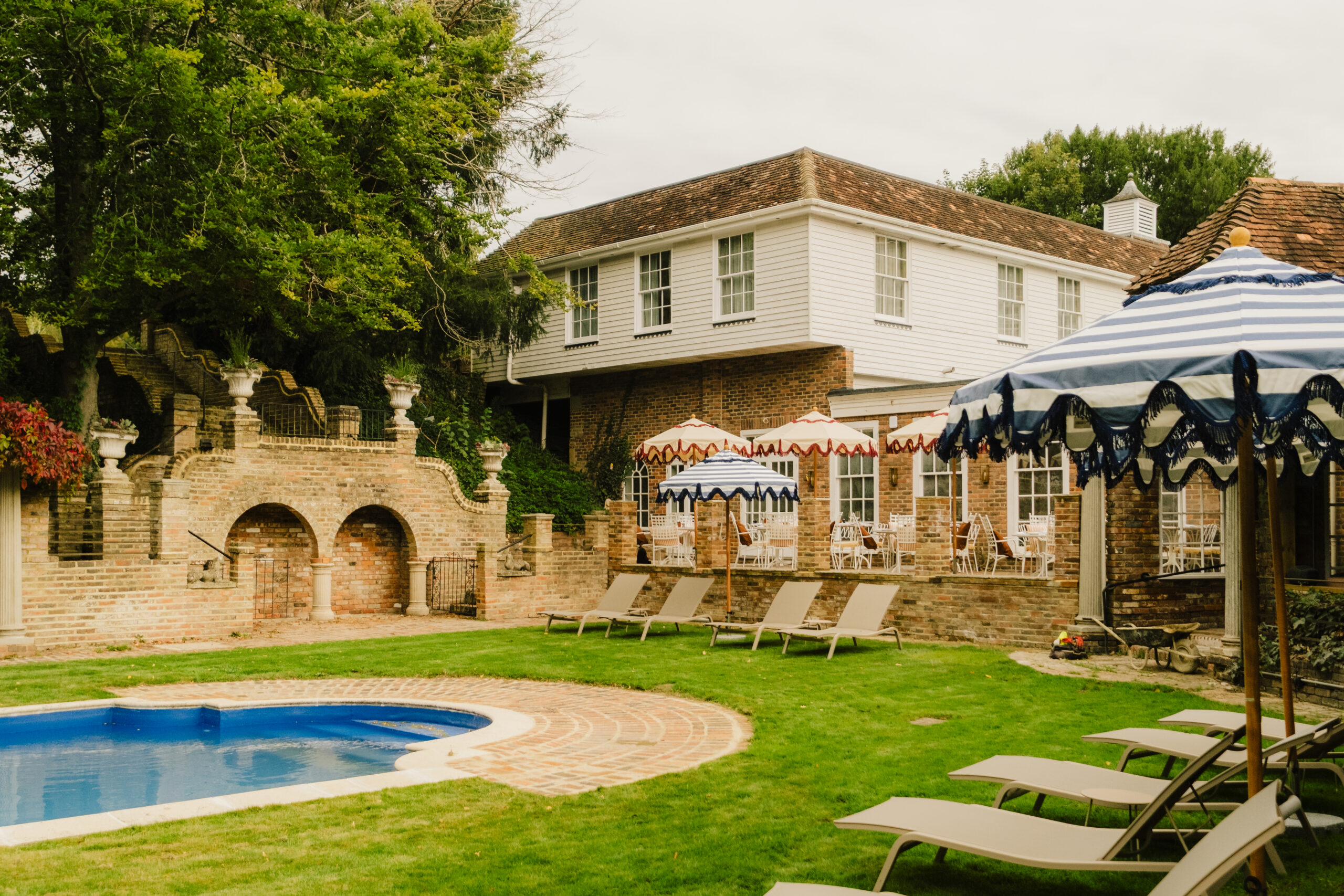
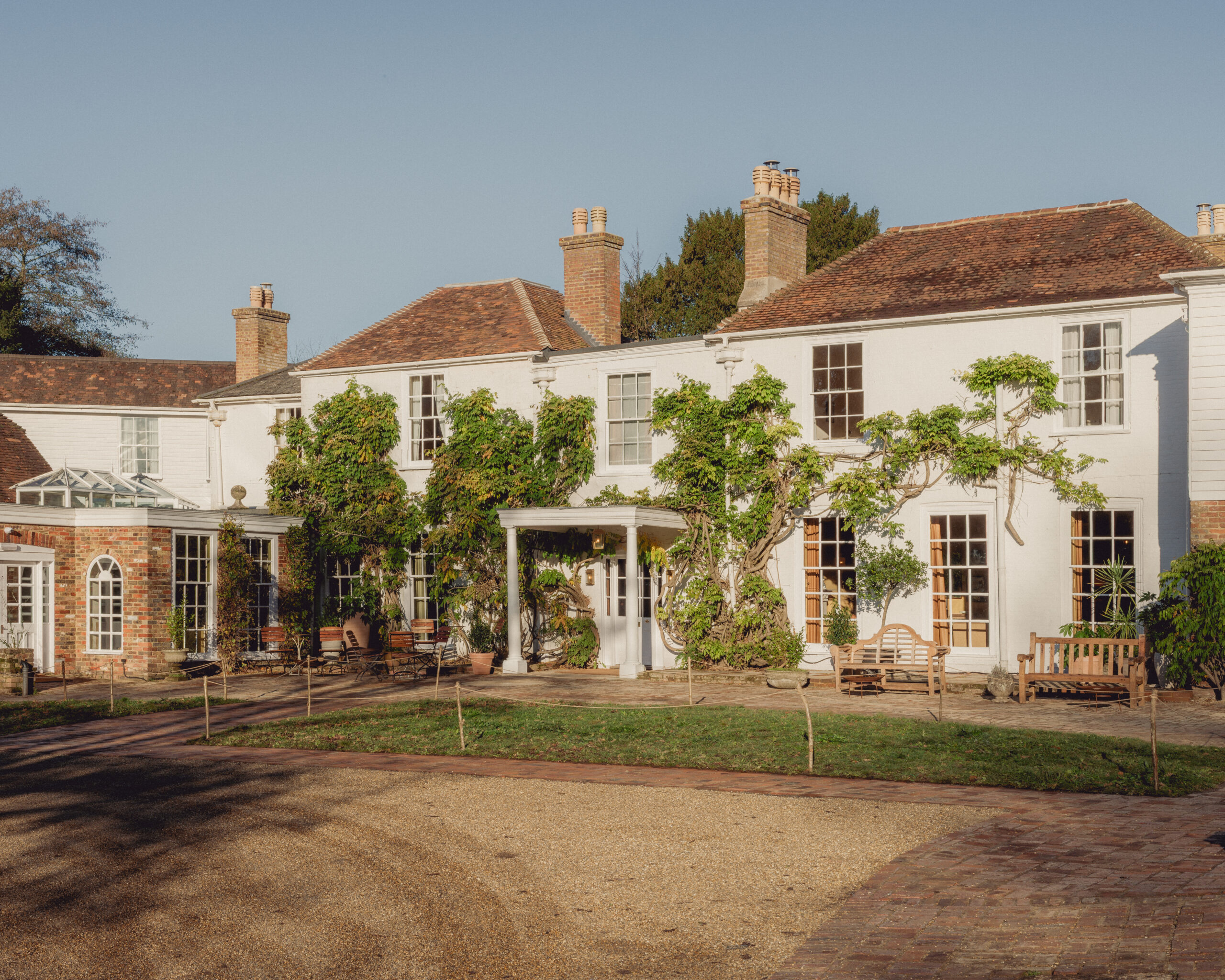
The PowderMills Hotel is a prestigious 70-room heritage site distributed across three distinct historic buildings: the Cloisters, the Pavilion, and the Main House.
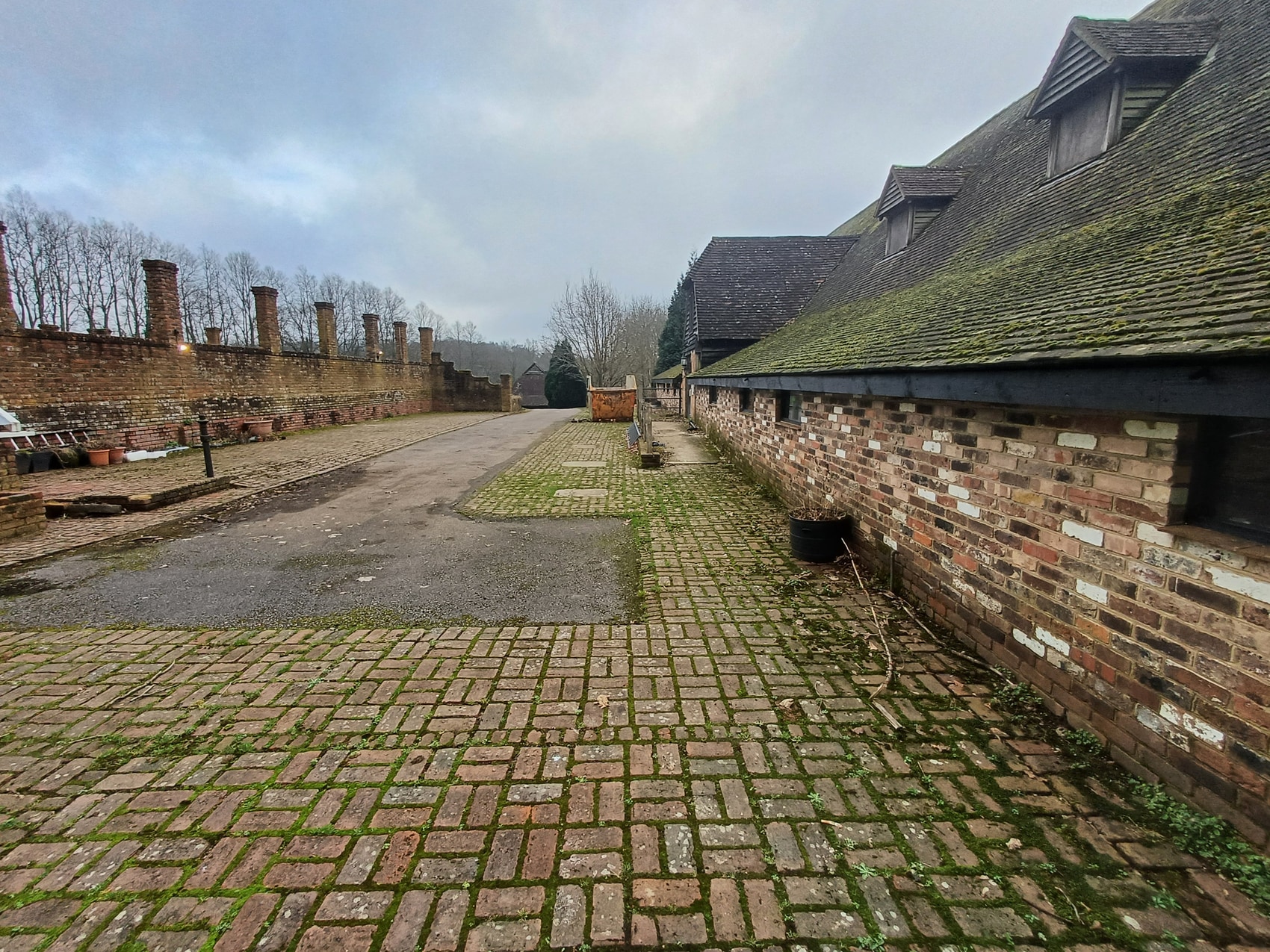
Frankham was appointed after main building works were already underway, requiring the team to develop and finalise a complex MEP design in parallel with live construction activities. Furthermore, initial inspections revealed significant legacy issues, including non-compliant drainage, inconsistent water pressure, and uninsulated pipework that threatened the hotel’s operational efficiency and regulatory standing.
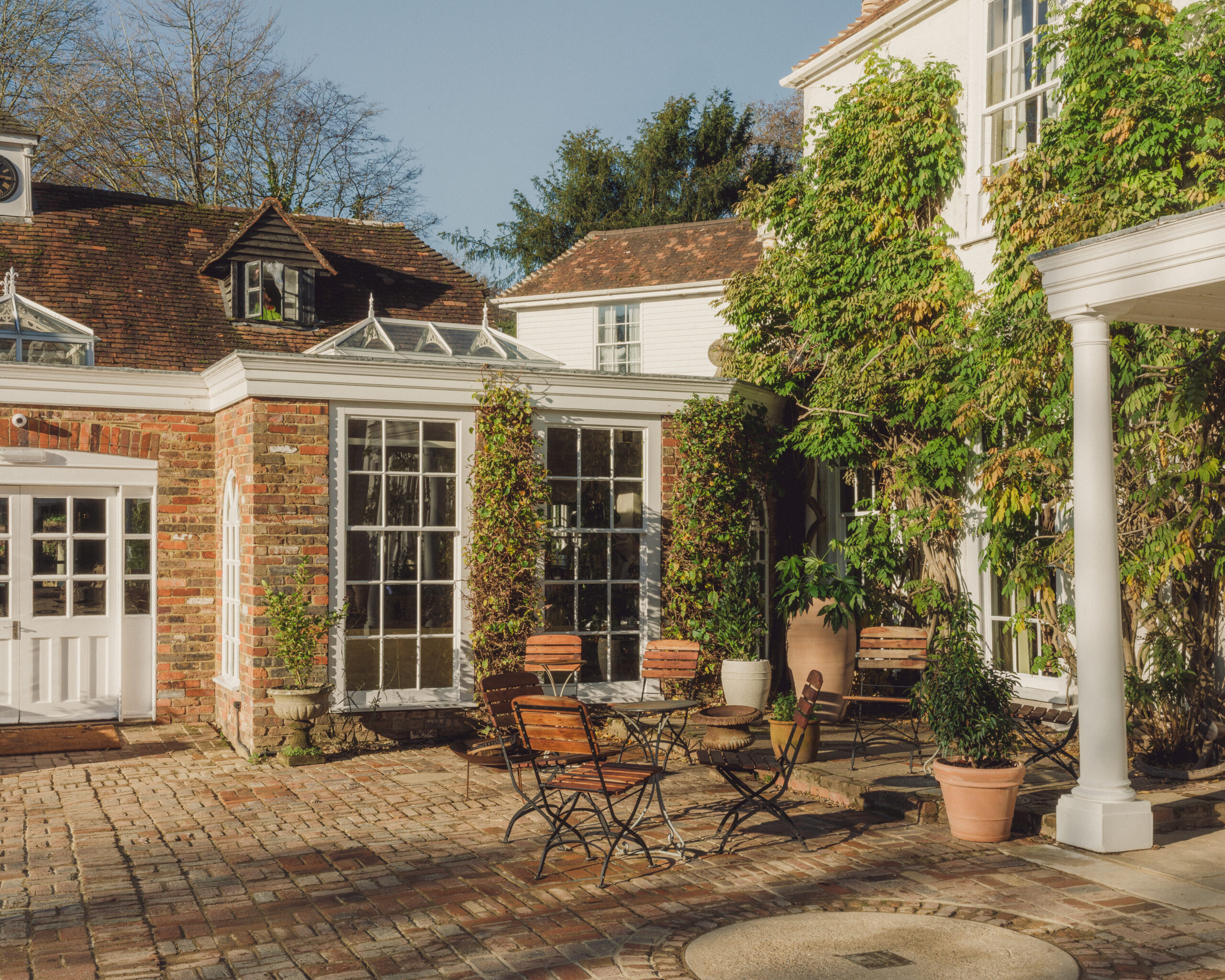
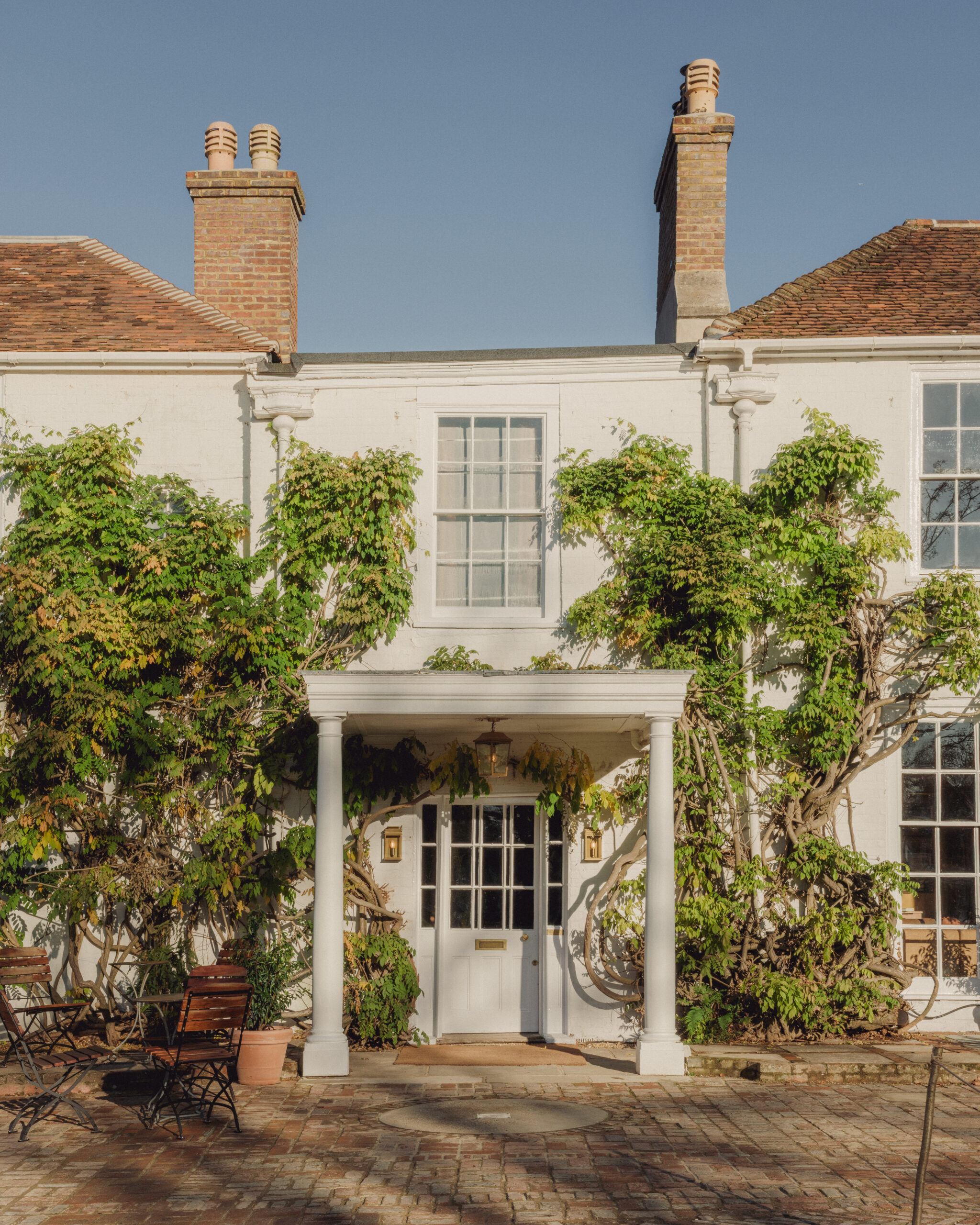
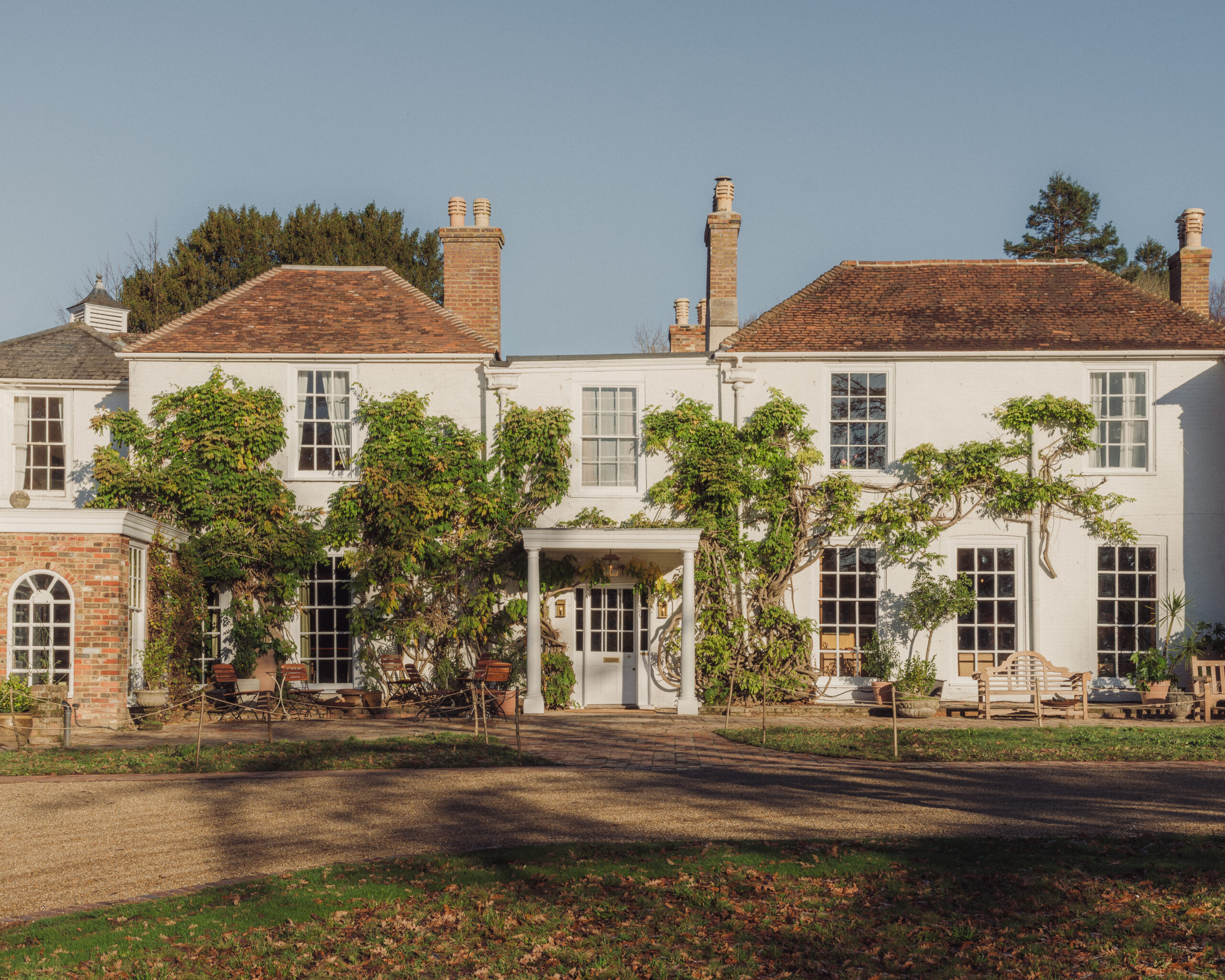
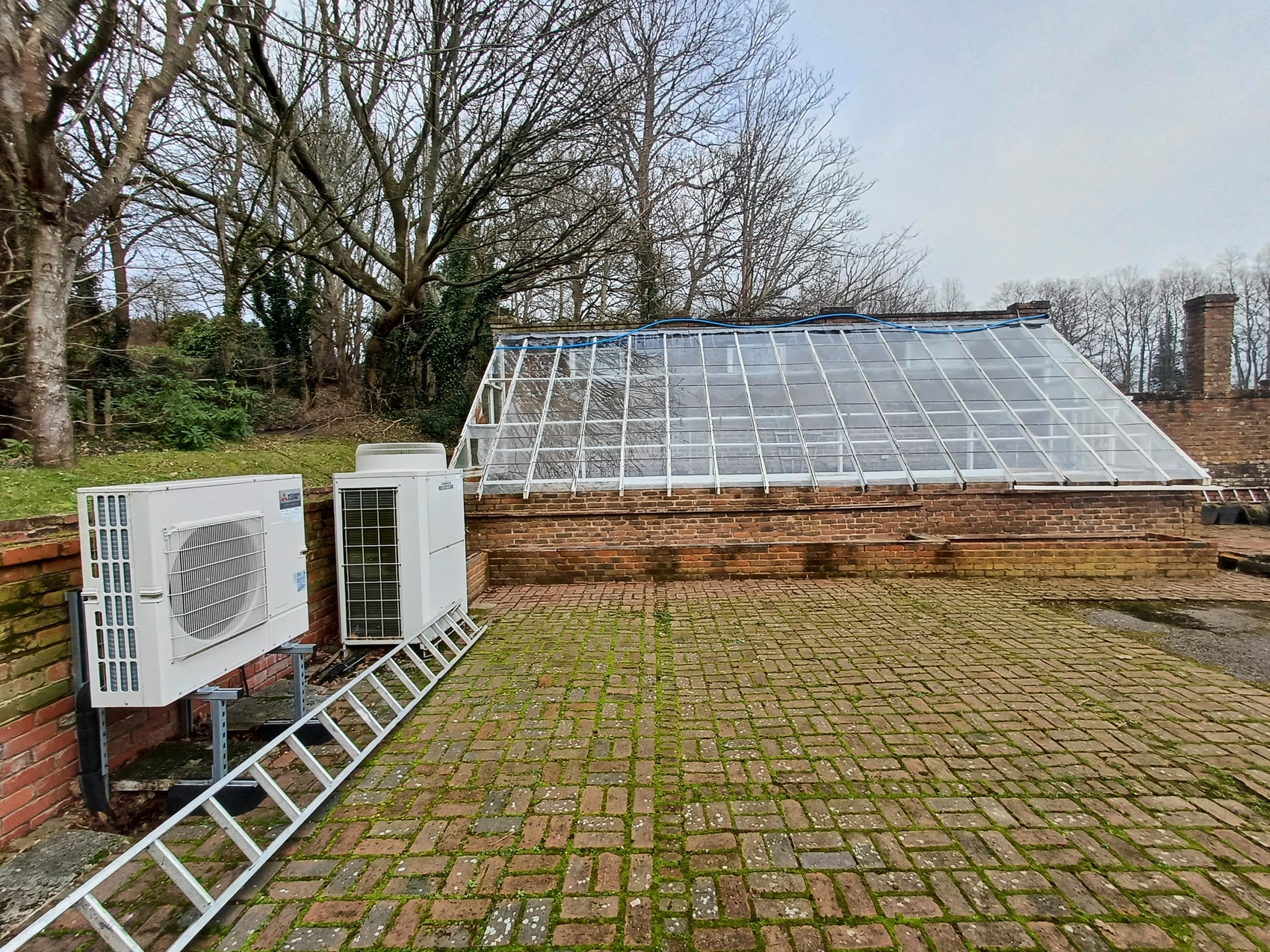
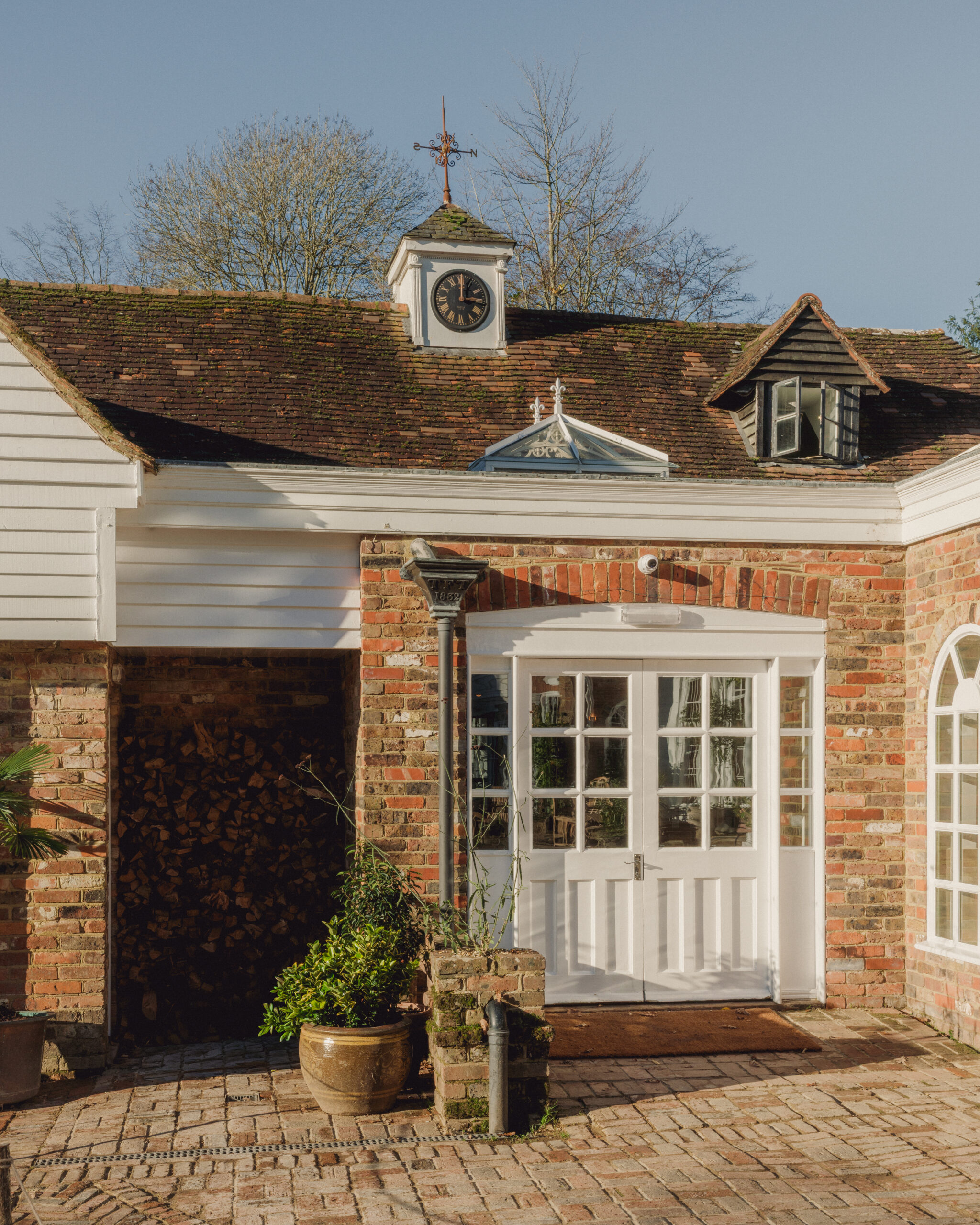
To meet the client’s deadline without compromising the building’s historic character.
Our engineers adopted an agile, real-time design approach, working in close coordination with the MEP contractors and heritage consultants.
Our technical scope included:
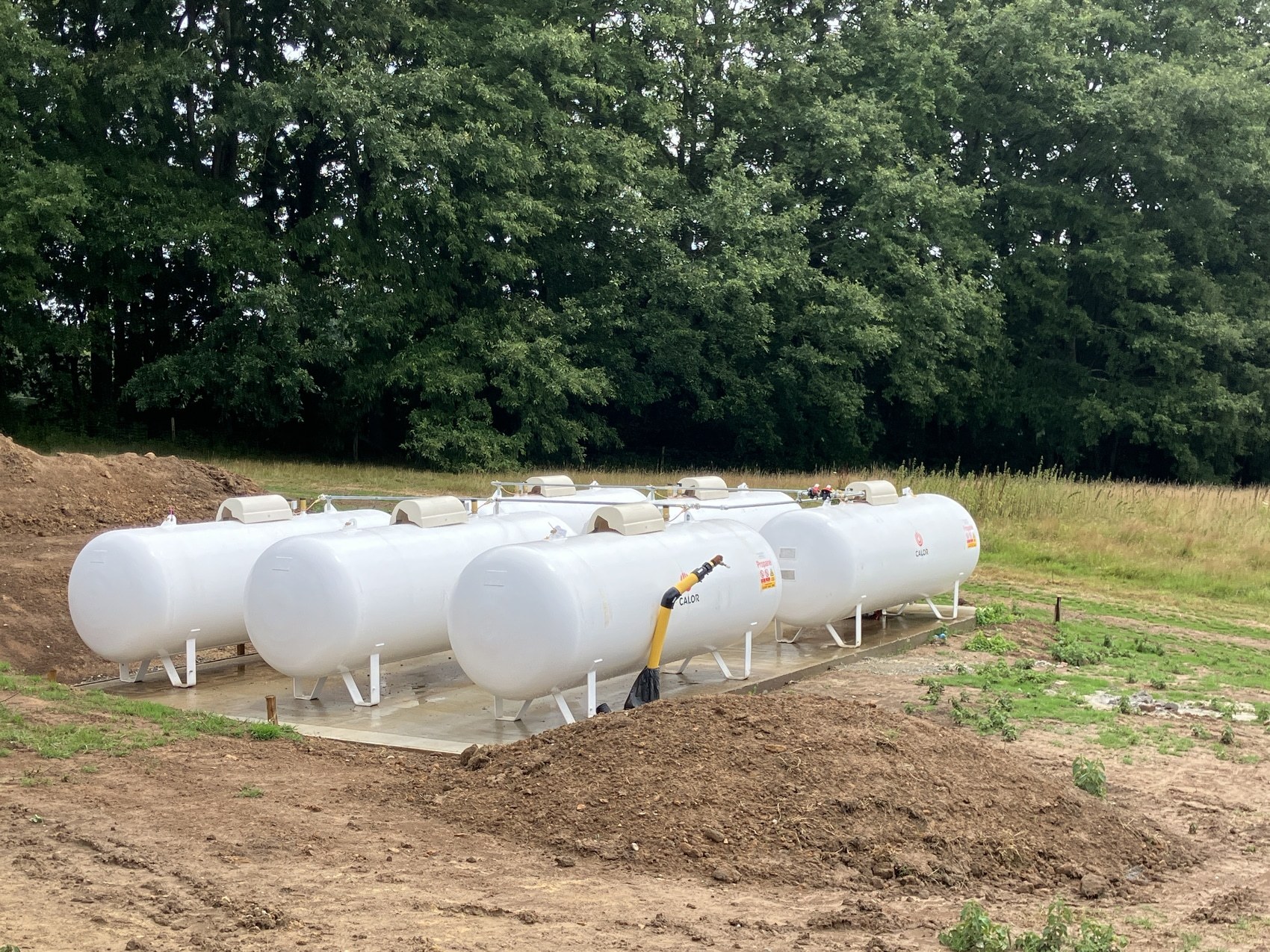
Bespoke Mechanical Systems: Implementing new heating and cooling strategies sympathetic to the historic fabric, alongside energy-efficient HVAC and tailored water distribution.
Electrical Infrastructure: A complete redesign of power, data, and emergency lighting systems, ensuring modern guest comfort and safety standards were met.
Public Health & Water Redesign: Addressing critical failures by specifying a new central cold water storage tank and booster set, as well as a centralised semi-storage hot water system to futureproof the development.
Specialist Drainage Improvements: Introducing grease traps in commercial kitchens and rerouting external drainage to prevent grease solidification and ensure long-term maintenance ease.
Frankham significantly improved the hotel’s energy performance and resilience.
Despite the live construction environment and the legacy defects identified, Frankham delivered a robust, CIBSE-compliant infrastructure that significantly improves the hotel’s energy performance and resilience.
By identifying and correcting non-compliant pipe gradients and connection layouts during the design phase, we saved the client from costly future remedial works. The hotel now benefits from a high-performance MEP system that operates invisibly within its historic surroundings, providing a seamless experience for guests while ensuring full compliance with current Building Regulations.

Download the full case study
Discover how our MEP team navigated the complexities of parallel design and construction in a heritage environment.