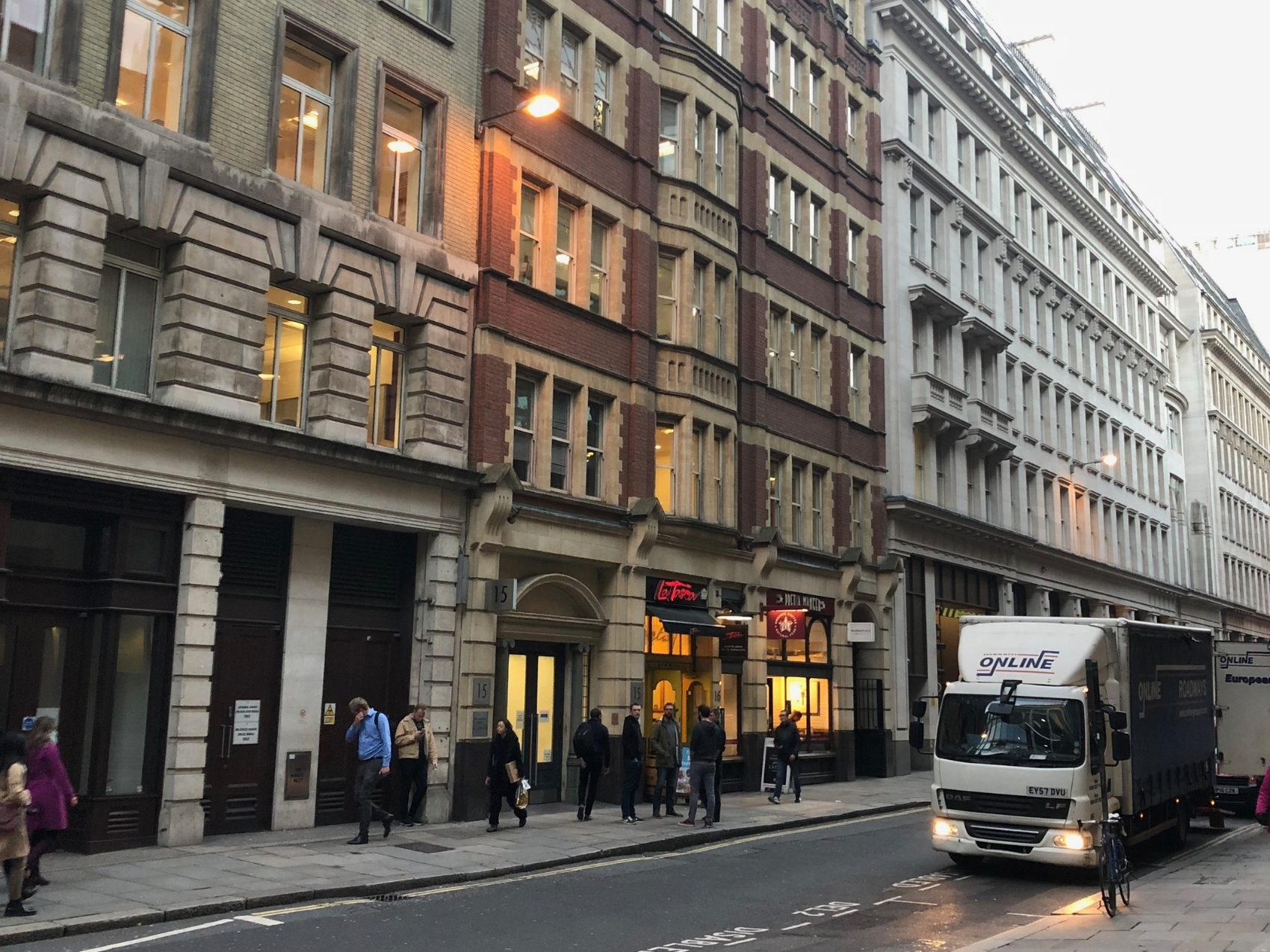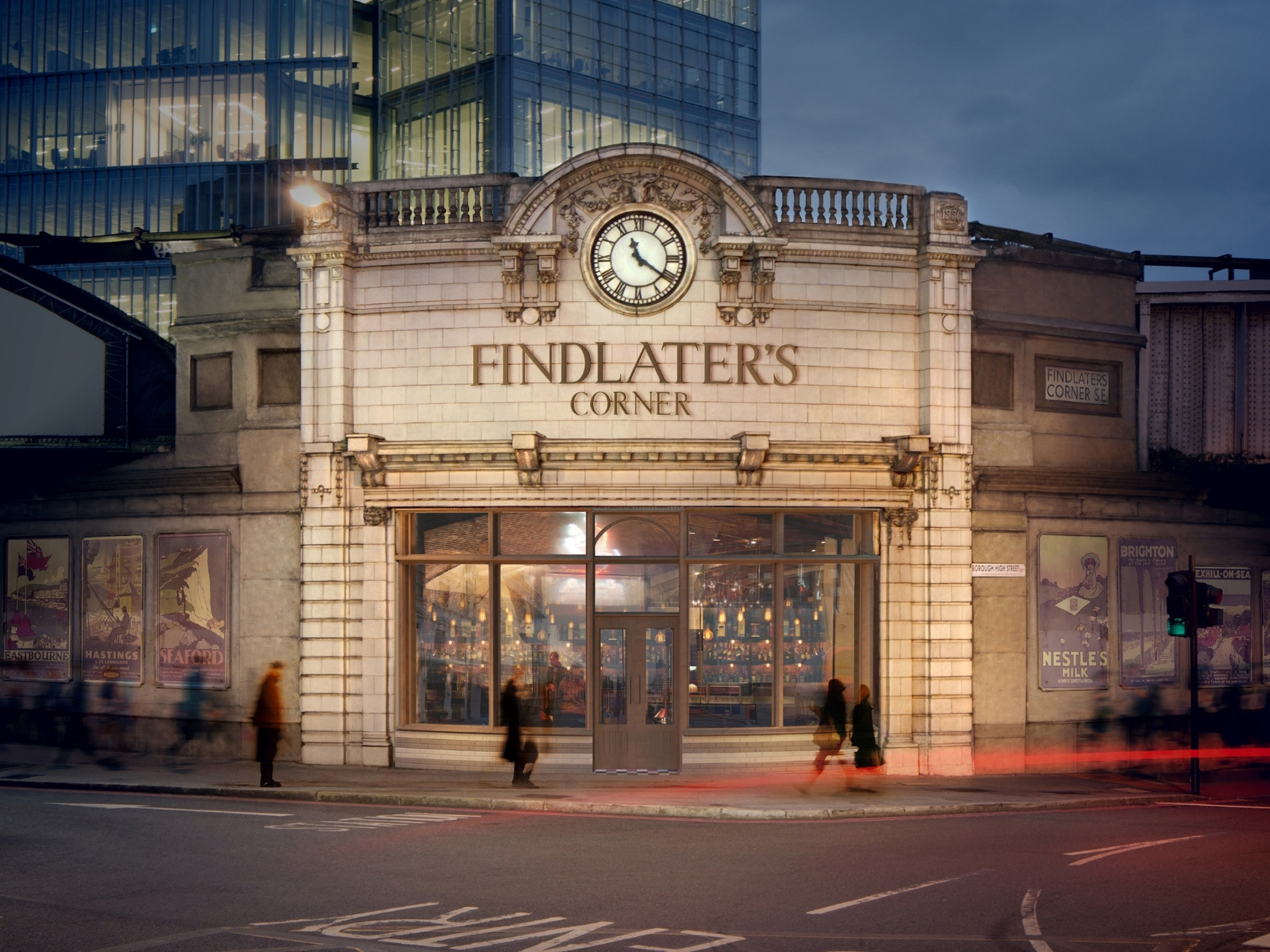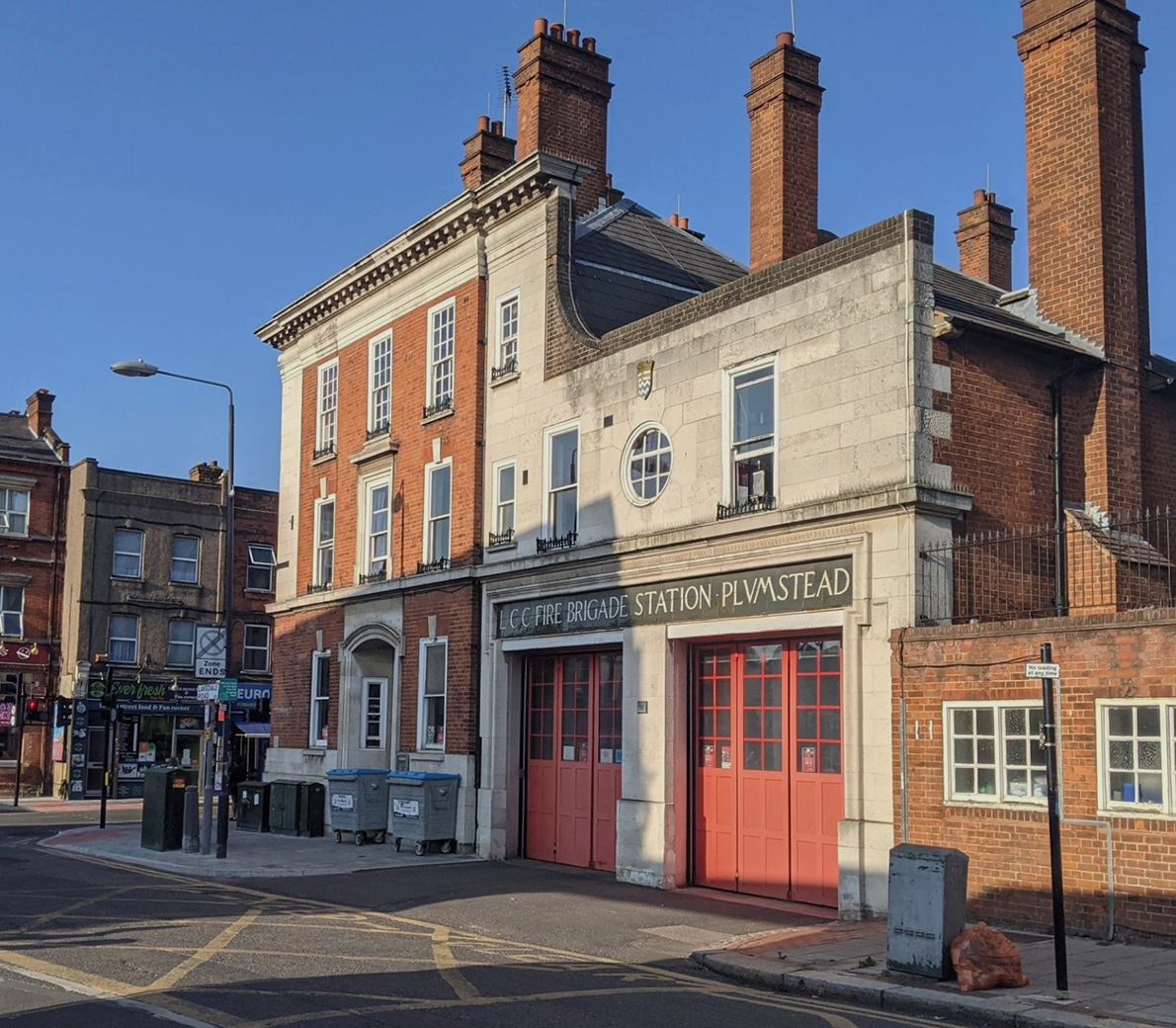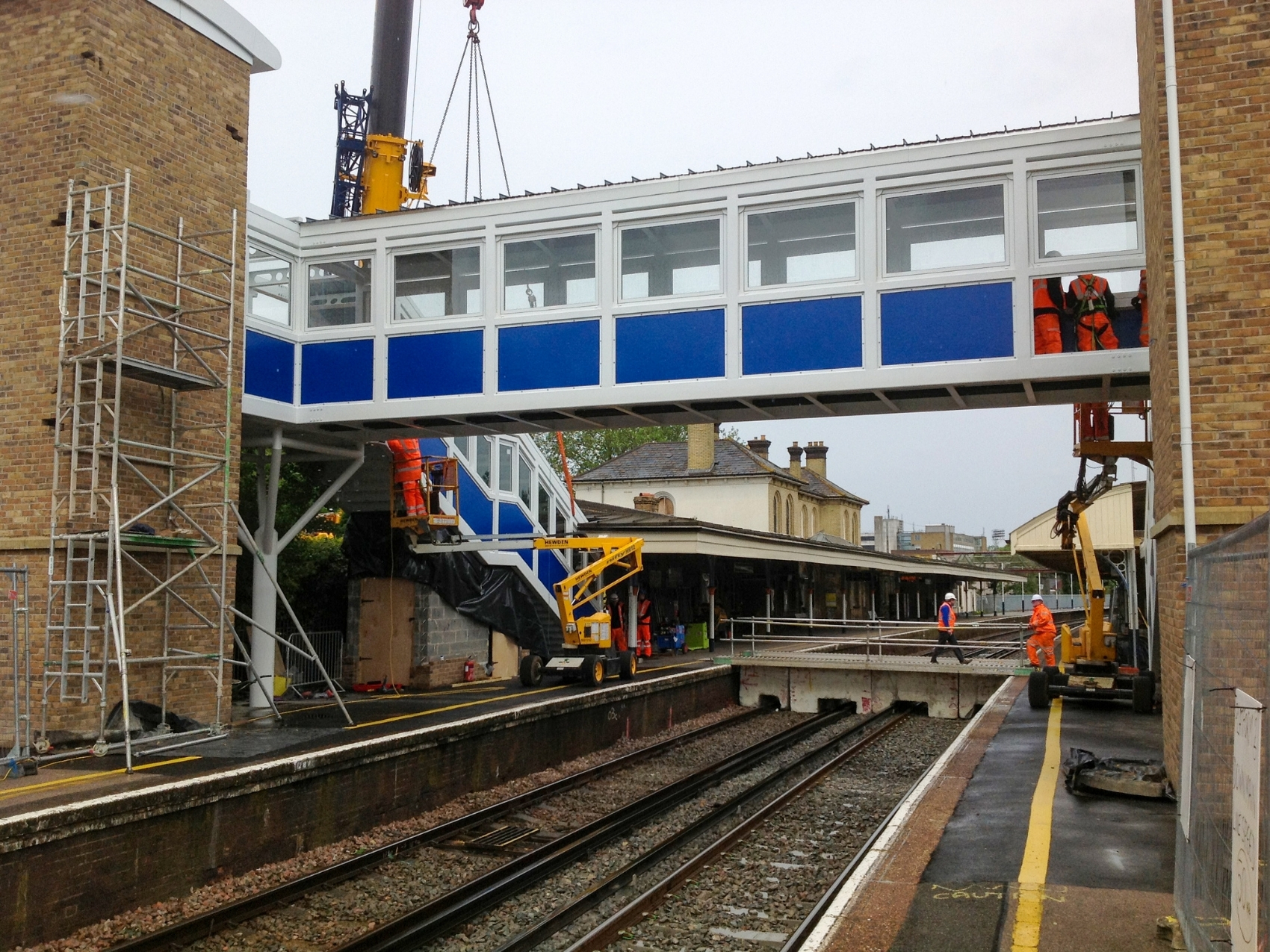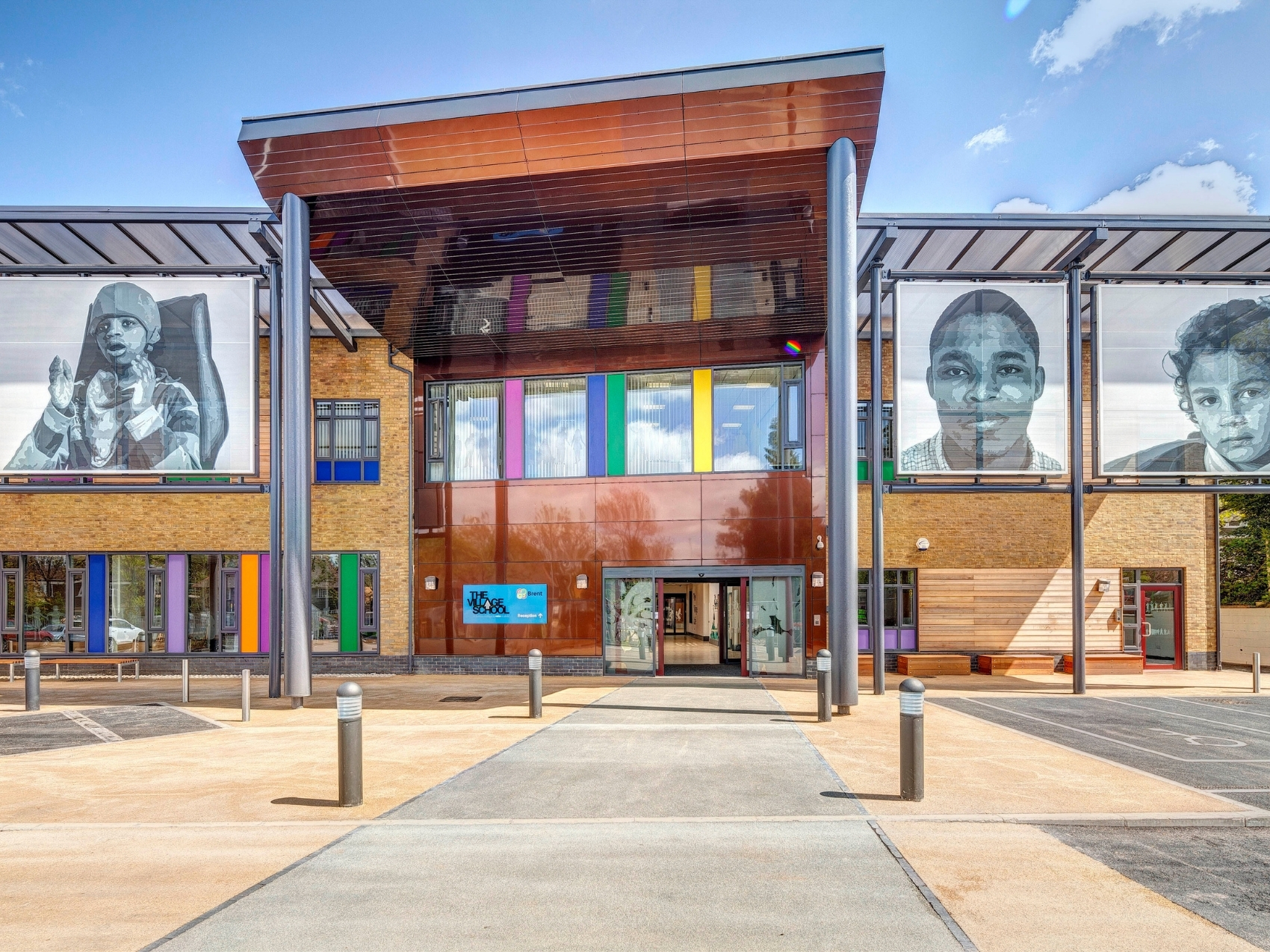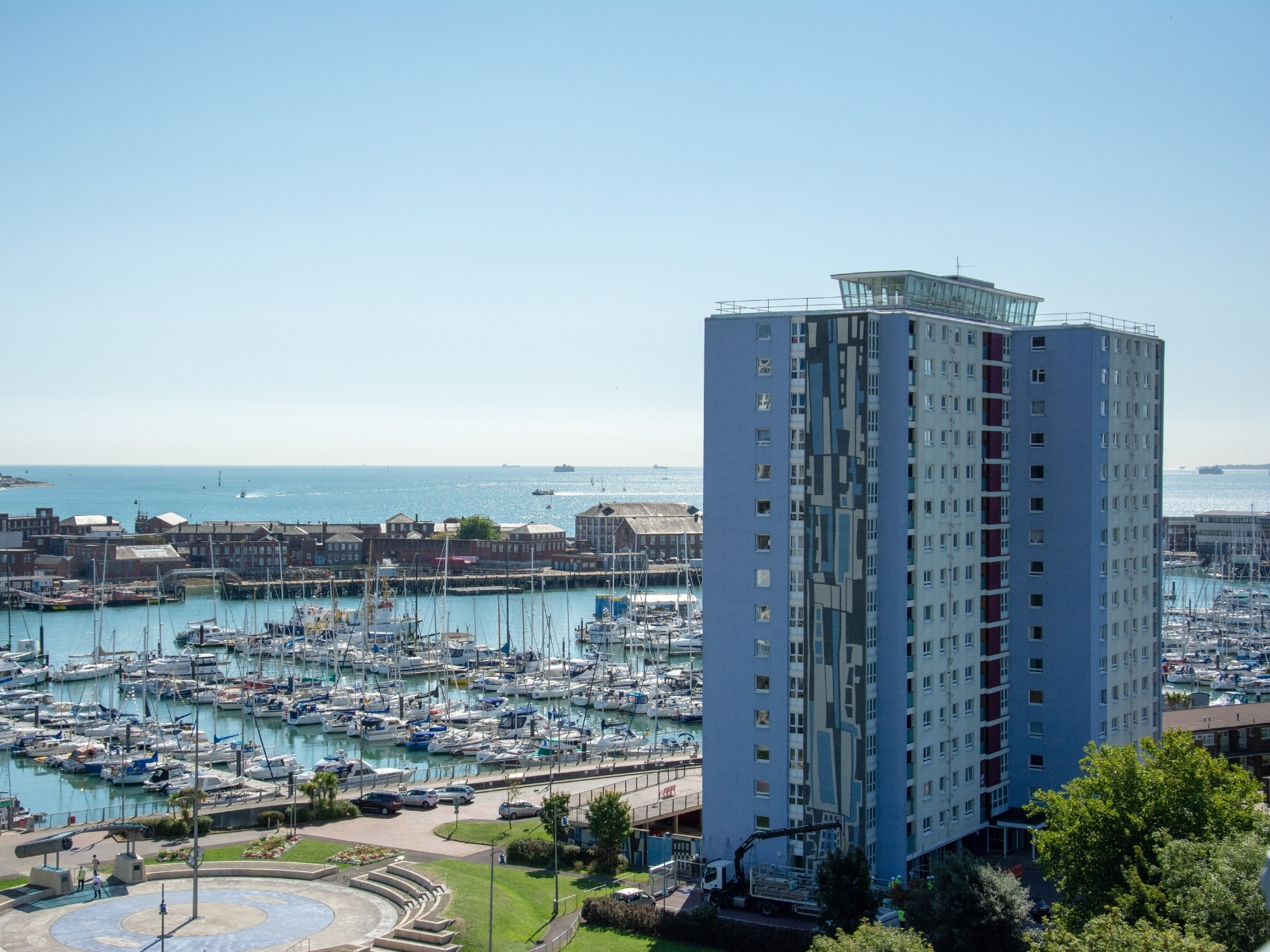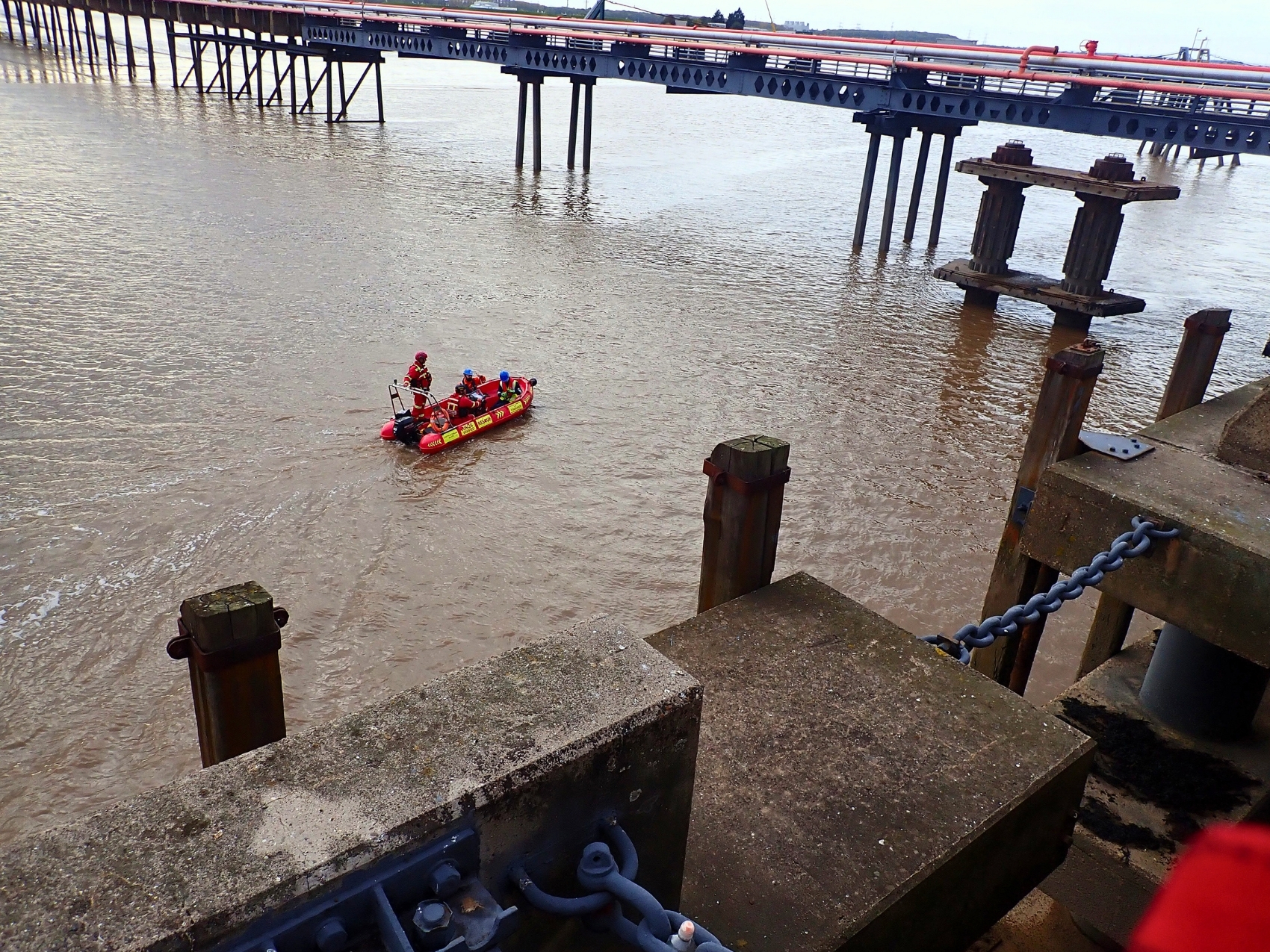
Frankham assisted with the structural engineering aspects of a comprehensive refurbishment of all the offices and retail areas of this building.
- City of London
The additional floors required the existing building to be modelled and checked for capacity, including the existing piles.
The as-built drawings were available which included the reinforcement details and information about pile capacities. We achieved this by producing a 3D analytical model which was generated to match the existing structure as closely as possible.
The size of the mechanical ventilation for the new office spaces was significant and difficult to accommodate with the floor to ceiling heights allowed for in the planning application. To provide the optimal floor to ceiling height for the office space, cellular beams were used which allowed the structural and service zones to overlap. This option also provided an aesthetic solution to the alignment of the services and structure in the exposed areas of the office space.
The building occupies most of the site, leaving no space for surface water attenuation at ground level. Our solution for that was to create attenuation in the form of a blue roof which stores rainwater prior to allowing a slow rate of discharge. This is much heavier than a typical roof which presented a challenge in terms of ensuring the capacity of the existing structure to support these loads.
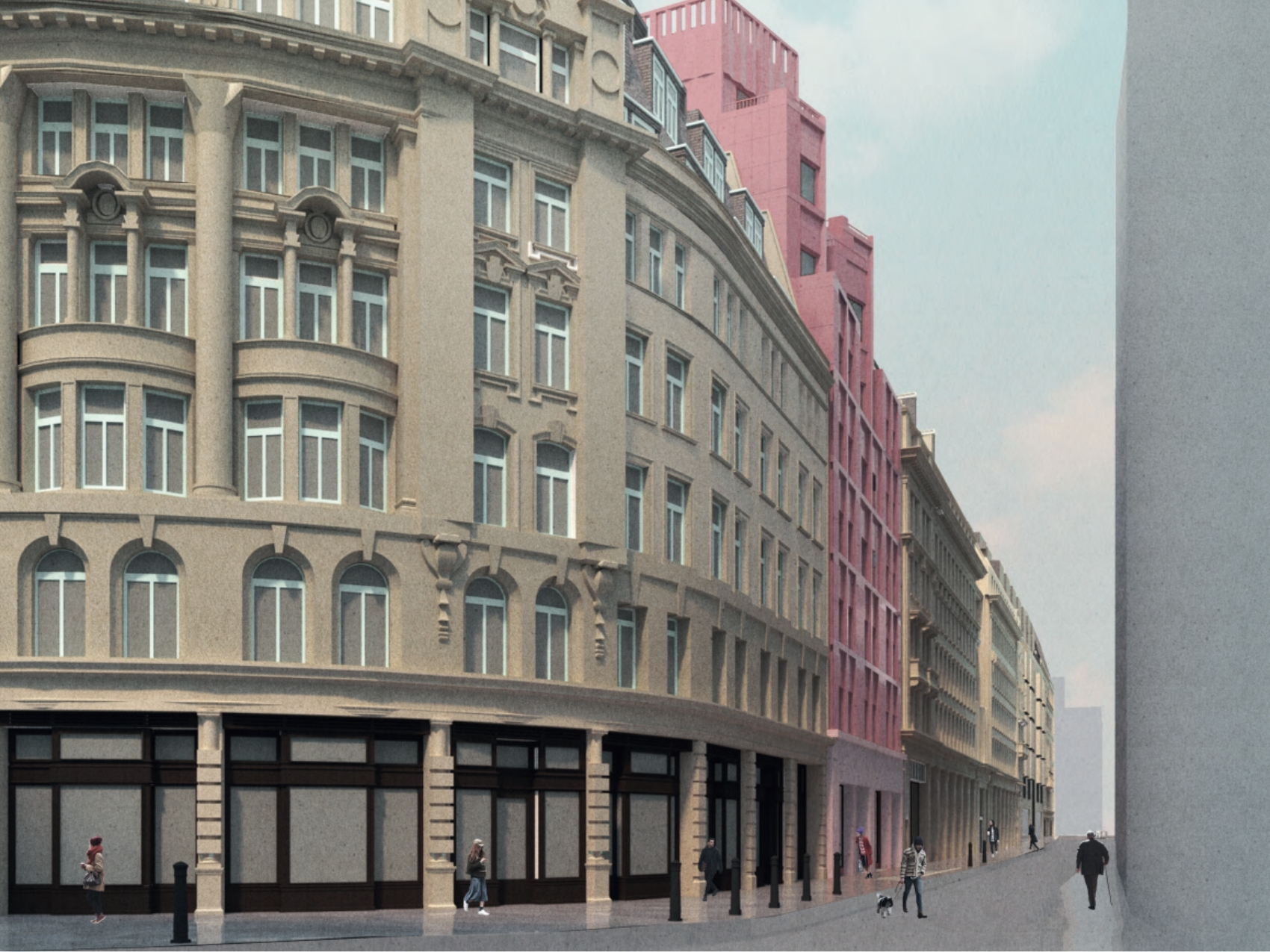
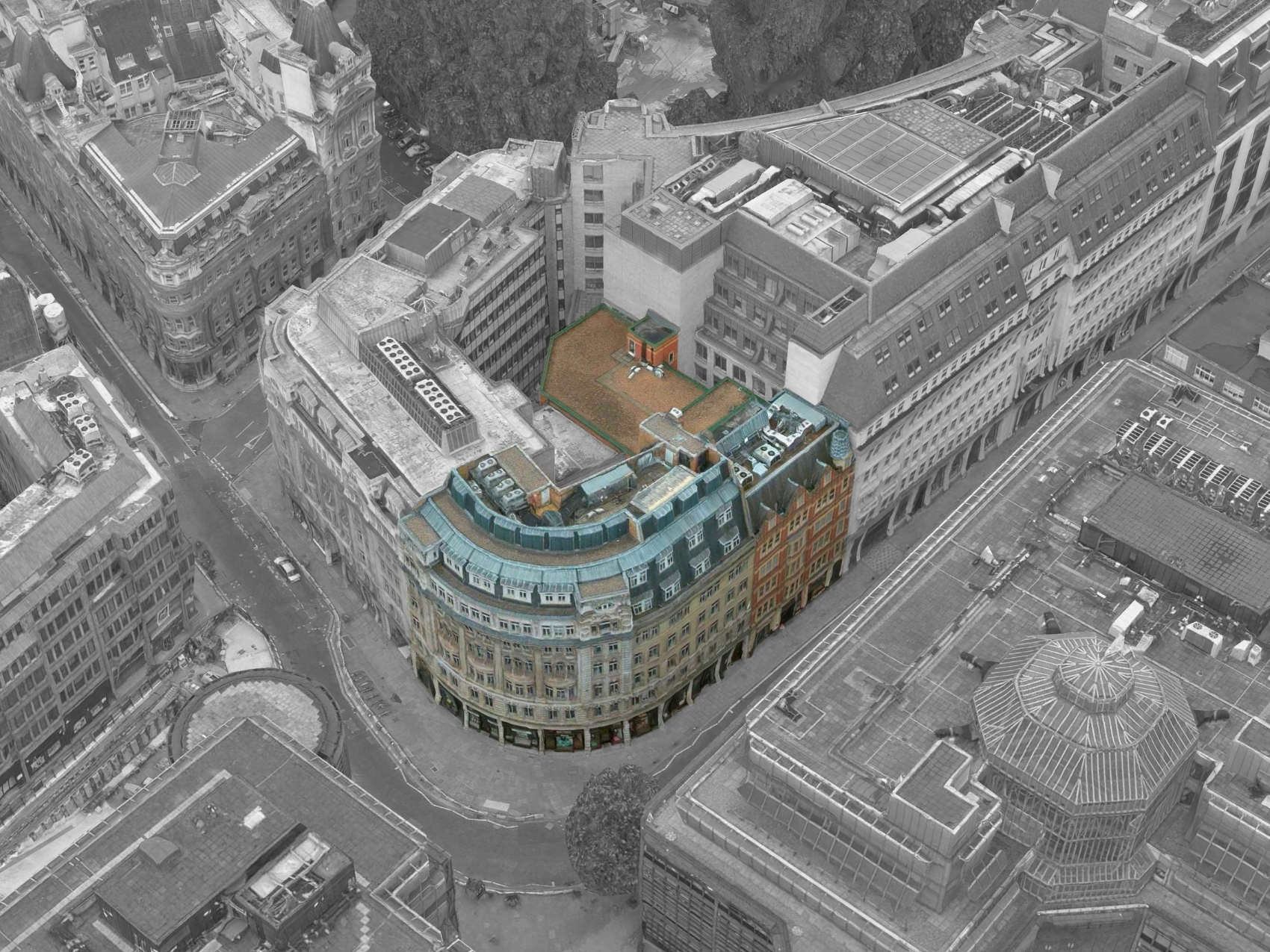
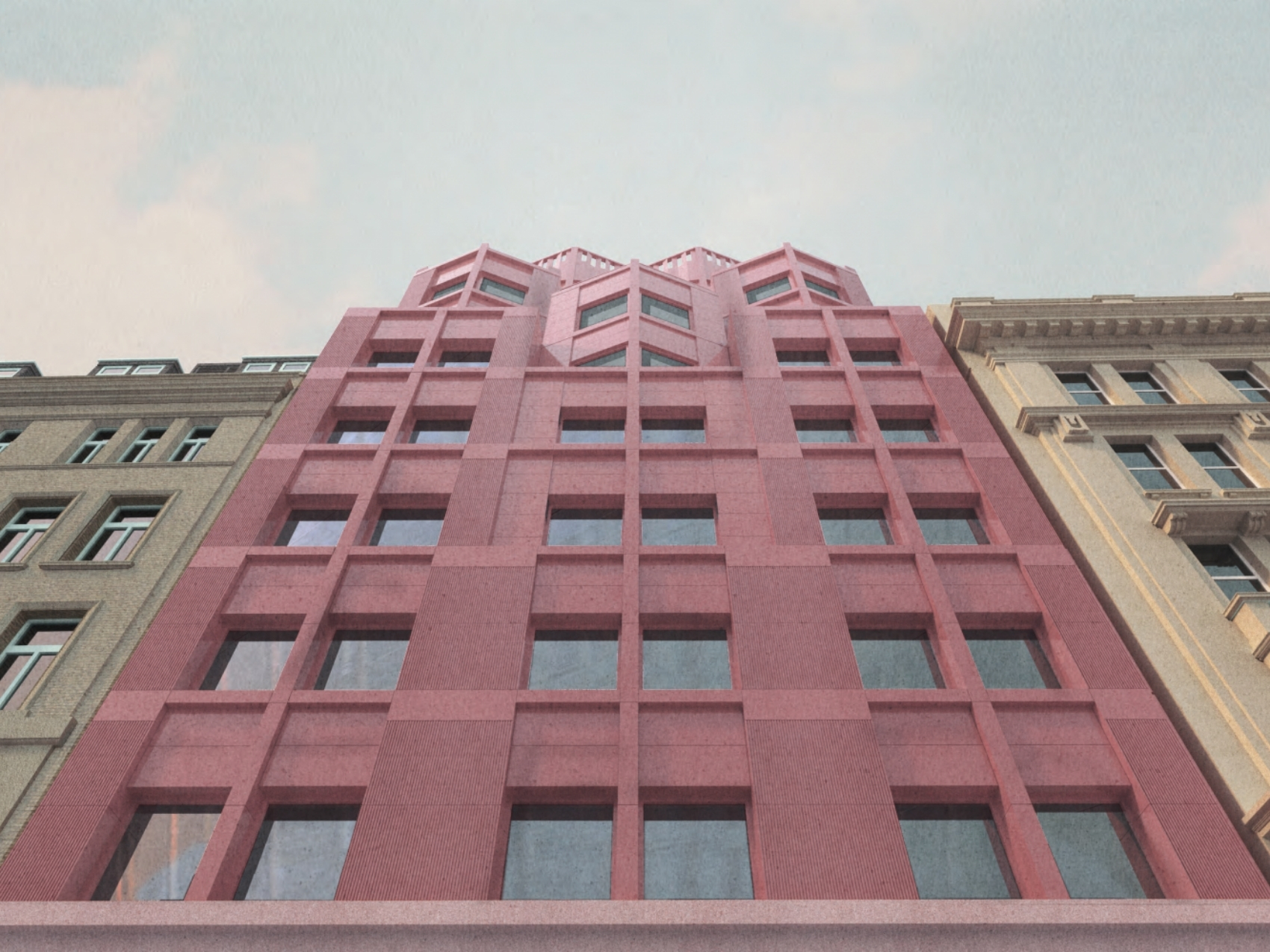
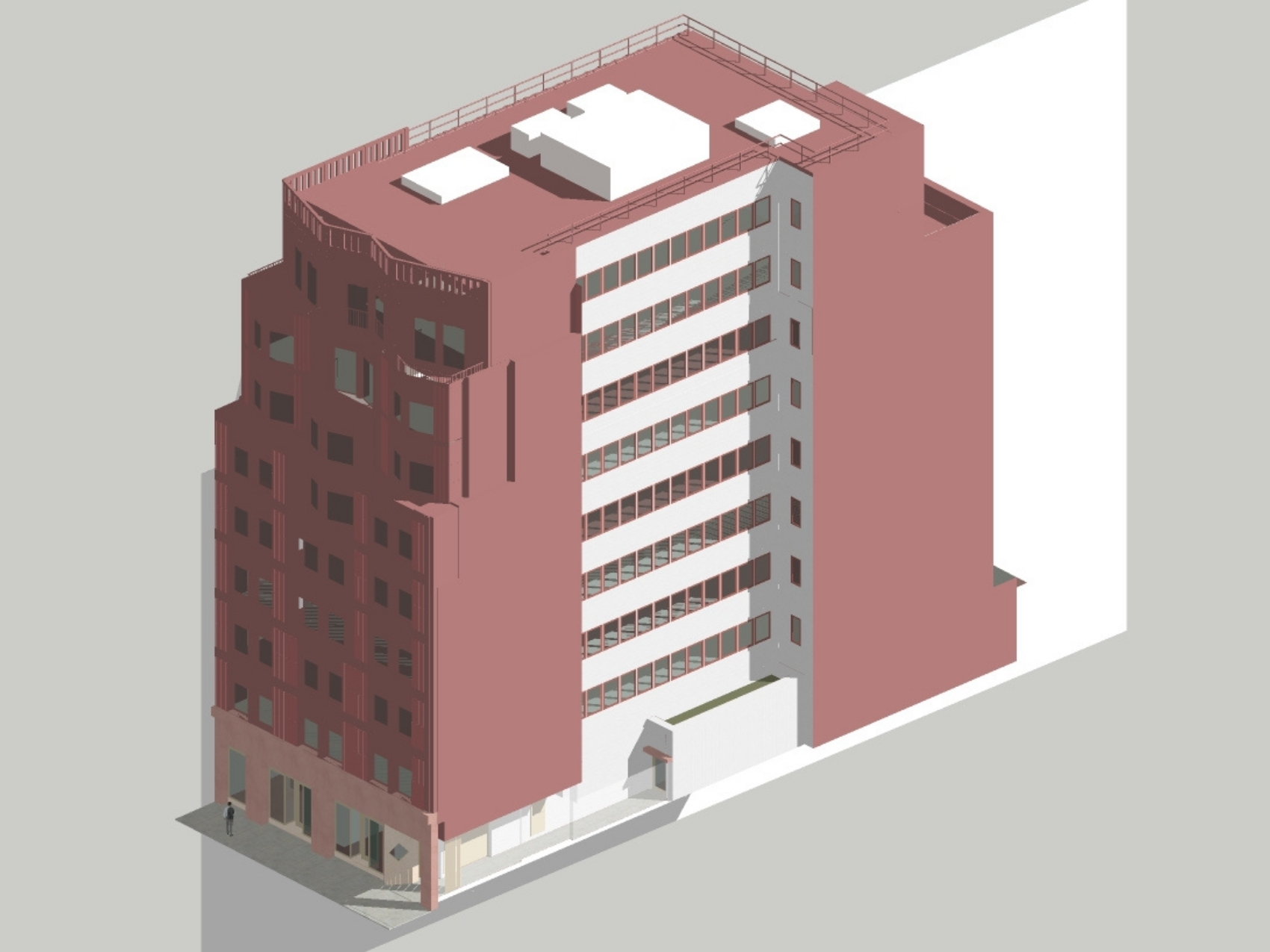
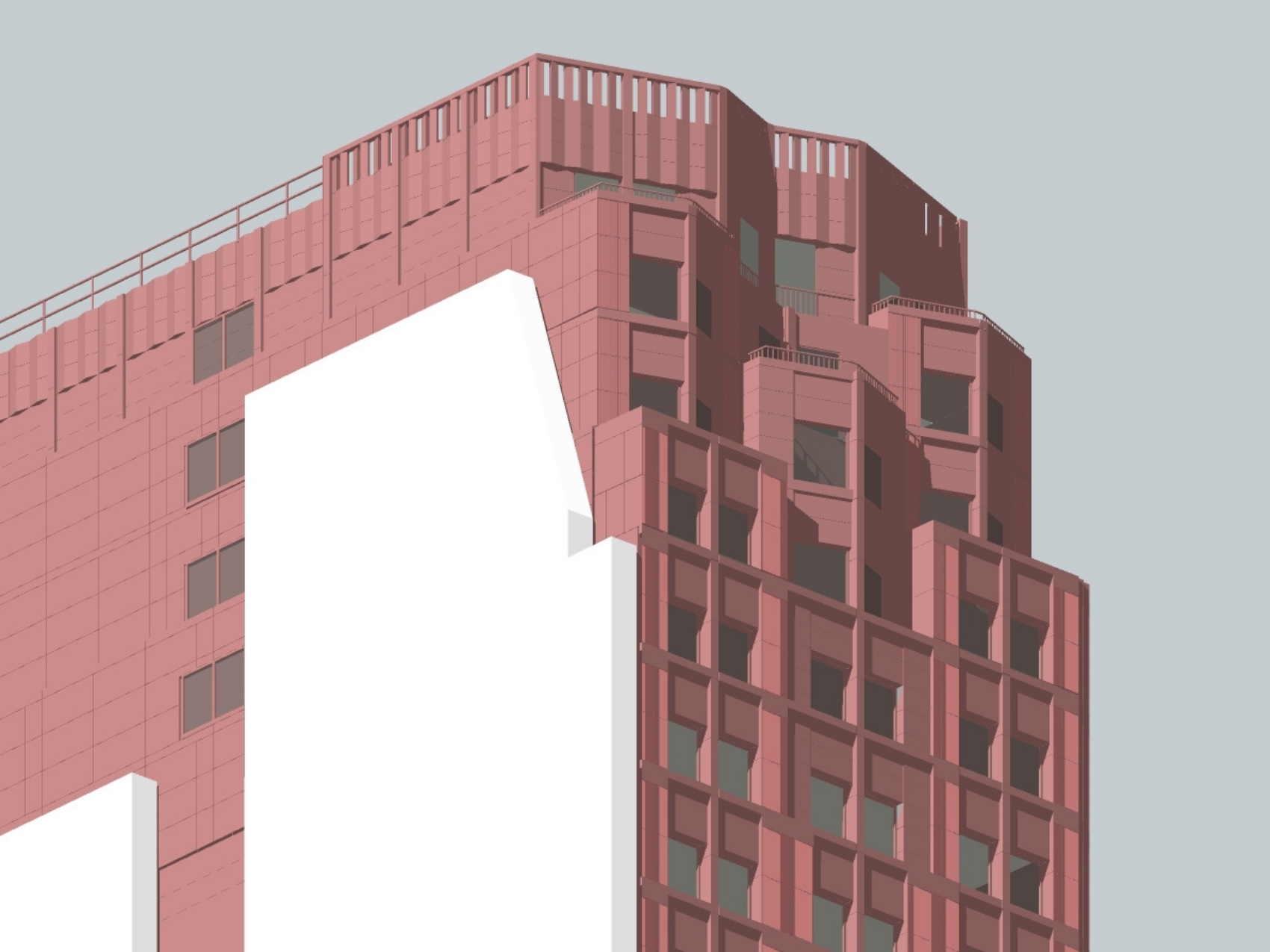
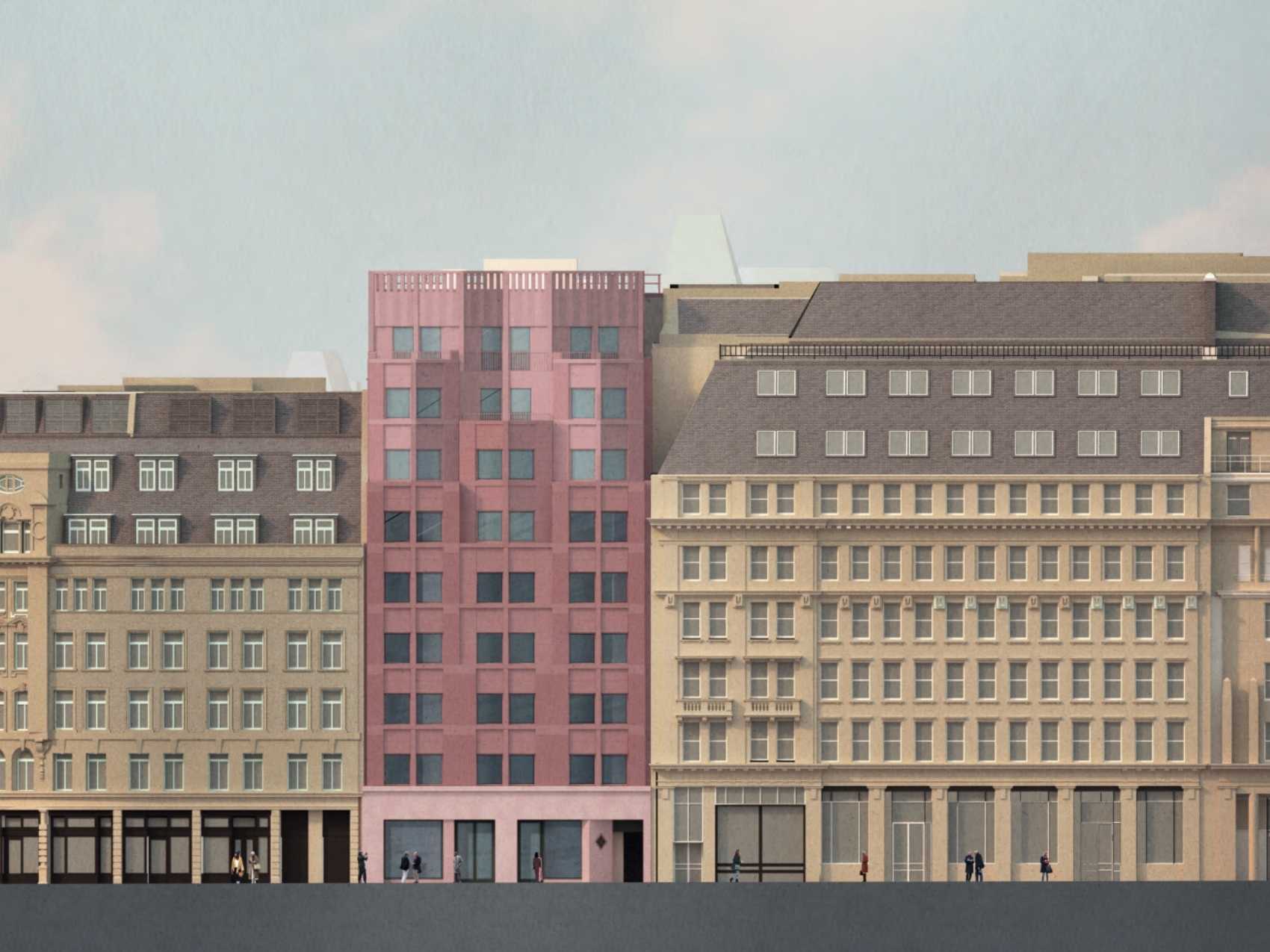
Due to the constraints of working with the existing structure, our opportunities to provide value to the client were achieved through close collaboration with the architect. Collectively, we identified ways to adapt the structure while minimising the strengthening works required to accommodate these changes.
New risers were required from basement through the building, so areas where penetrations could be accommodated with minimal strengthening works were identified. Similarly, a goods lift was required between ground and lower ground which we were able to locate within an area close to the stairs therefore minimising the strengthening works required.
Options for alterations to the vertical circulation routes were explored. In the existing arrangement, the stairs were within cores consisting of shear walls, so we were able to advise if the proposed changes were viable. By giving an indication of what works were required prior to them being adopted into the scheme, we ensured that the costs were proportionate to the benefit.
The new floor levels were intended to be mostly exposed structure with no ceilings, the design was reviewed for different materials and arrangements in collaboration with the architect before deciding to progress with the steel frame option. Consideration needed to be given for the weight of each scheme and how it would impact the existing structure as well as the appearance.
Frankham evaluated the efficiency of the structure in terms of weight and embodied carbon while reviewing the options to inform our decision. Where strengthening was required, carbon fibre reinforcement was utilised to minimise the impact spatially and provide a more sustainable option than alternative steel or concrete solutions.
Information on the mass of retained and proposed materials was provided to the sustainability consultant to assist with the sustainability statement. We also provided information on the volume of materials and details of how the recycled content of the proposed materials could be improved by using ground granulated blast furnace slag (GGBS), recycled aggregates and the UKCARES scheme.
AMIStructE IEng