Frankham Consultancy Group

Services

Mediation.

Mediation for Civil and Commercial disputes in Construction

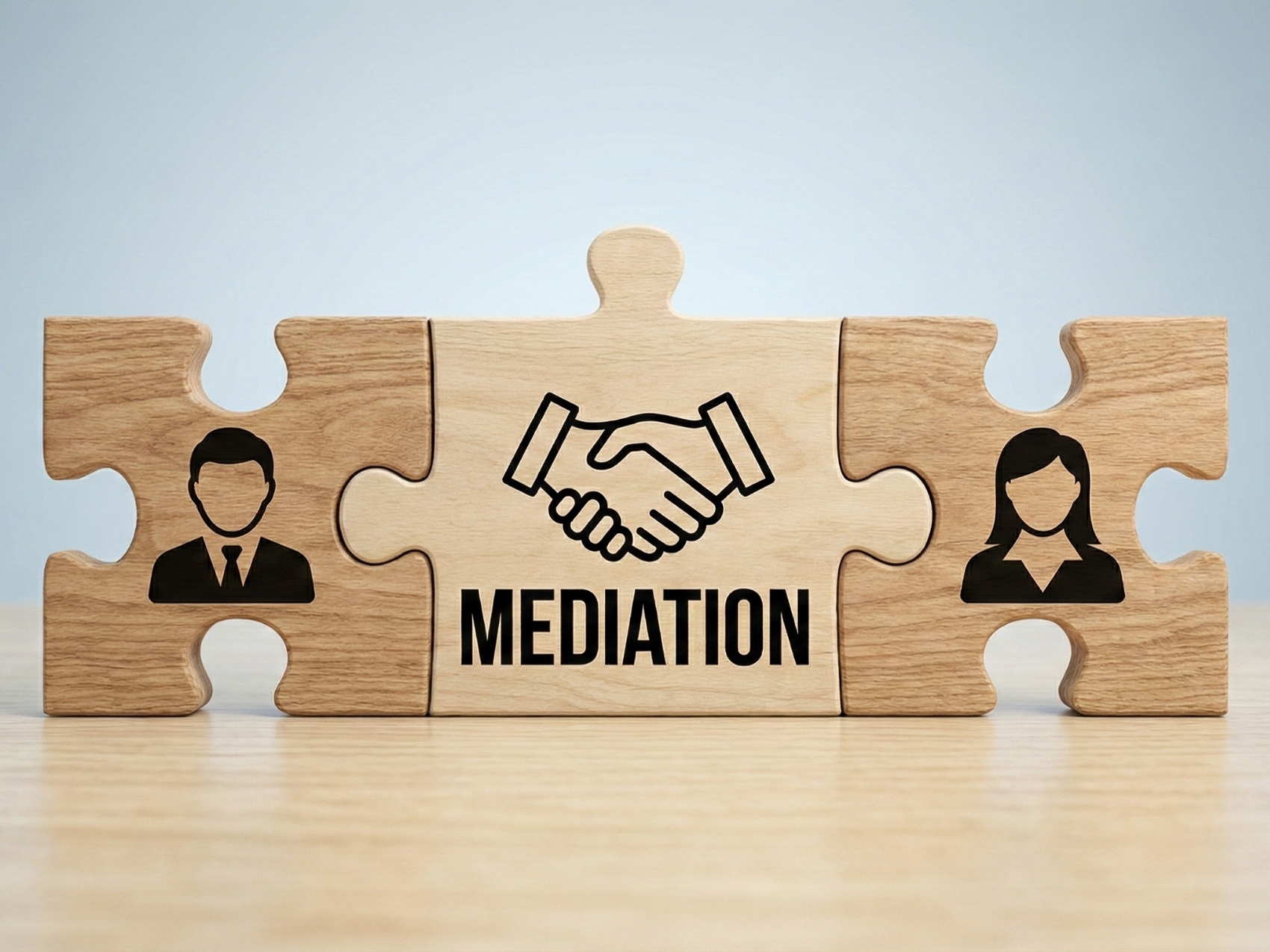
Mediation is a structured, confidential and without prejudice process that enables parties to reach their own agreement without the time, cost and uncertainty of litigation or arbitration.

It is well suited to construction and engineering matters where programme pressures, technical complexity and commercial risk require pragmatic resolution. Courts in England and Wales now actively encourage the use of mediation or other Alternative Dispute Resolution (ADR) before resorting to litigation, and many engineering contracts oblige parties to attempt ADR first.


Mediation is voluntary

What you can expect

The mediator is independent and impartial. Any settlement becomes binding only when recorded in writing and signed. Even if the case does not settle on the day, mediation frequently narrows issues and improves the prospects of resolution shortly afterwards.

1

Short opening remarks to set the framework and explore whether parties are amenable to joint discussions.

2

The mediator may hold confidential meetings with each party and will not reveal to the other party or parties what is said without permission.

3

The mediator works between rooms to probe issues, sense check assumptions and broker offers.

4

If an offer seems workable to all parties, they are invited back into one room by the mediator to progress agreeing and recording the details of the settlement and finally signing.

5

This then forms an enforceable contract.

Where we add value

Chelvi’s background includes senior leadership across civil and structural engineering, insurer and client interfaces, and disputes between subcontractors and main contractors, designers and contractors, and individuals.

She practices a facilitative style of mediation that keeps ownership of the outcome with the parties while maintaining forward momentum and a balanced, professional tone. Her engineering experience allows rapid comprehension of design responsibility, standards compliance, causation and quantum arguments that often underpin construction and professional indemnity disputes.

Matters we mediate

We accept instructions for civil and commercial disputes including:

  • Defects
  • Delay and Disruption
  • Variations and Payment
  • Professional Liability
  • Insurance Coverage Discussions
  • Property Related Matters linked to projects

If a dispute is unsuitable for mediation by us, we will say so at the outset and signpost alternative routes where possible.

How mediation differs from other routes

Mediation is an assisted negotiation. Unlike adjudication or arbitration, outcomes are not imposed; they become binding only with the parties’ consent. The process is confidential and without prejudice, whereas adjudication and some arbitration outcomes are less so. Mediation costs and wait times are significantly lower than for litigation.

Meet the expert

Meet our mediation lead

our-expert
Chelvi Nava
Technical Lead

Frequently Asked Questions

Is mediation confidential and without prejudice?

Yes. Documents prepared for mediation and statements made during it are confidential and not admissible in later proceedings. Any written documentation or notes in the possession of the mediator after the mediation are destroyed in a secure manner.

Will the mediator decide the case?

No. The mediator facilitates negotiation and does not impose an outcome or function as adjudicator or arbitrator. Any settlement is reached and signed by the parties.

What makes mediation effective in construction and professional indemnity disputes?

It allows commercially sensible deals to be concluded quickly and privately, accommodates multi-party cost sharing, and provides a forum to explore the real issues of a matter without the cost and adversarial nature of trial; potentially preserving relationships which enables future collaborations. Construction is a small world.