
Expert insights
Having spent more than 30 years in the area measurement and surveying industry, including 14 years at Lane & Frankham, I’ve seen significant changes in the way projects are delivered and how surveying supports the built environment.
When people ask me how surveying has changed over the last 30 years, they usually expect the conversation to be about technology. There is no doubt the equipment we use today is far more advanced than it was when I started, but for me, technology isn’t the biggest story.
The biggest change has been the pace of the industry.
Thirty years ago, projects moved at a very different speed. Instructions often arrived by post, followed by phone calls, site meetings and quotations before any work began. There was time built into the process. People expected projects to develop steadily, and surveying naturally fitted into that rhythm.
Today, everything connects much more quickly.
Information is available almost instantly, projects develop at a different pace and decisions are often made much earlier in the process. That’s simply how the commercial property and construction industries have evolved over time. As those industries have changed, surveying has naturally changed with them.
Area measurement is no longer something that’s simply required further down the line. It’s often needed right at the start of a project because so many important commercial, legal and strategic decisions rely on having reliable information as early as possible.
Technology has made that possible. Laser scanning and modern surveying equipment allow us to capture an incredible amount of information in a fraction of the time it once took. Jobs that may previously have required weeks on site can now often be completed in days, with far less disruption for everyone using the building.
But faster site work doesn’t mean surveying has become easier.
In many ways, it’s become more demanding. We’re collecting significantly more data than ever before, and the environments we’re working in have become increasingly complex. The time that was once spent measuring on site is now invested in processing, checking and interpreting large volumes of information to make sure it’s accurate and dependable.
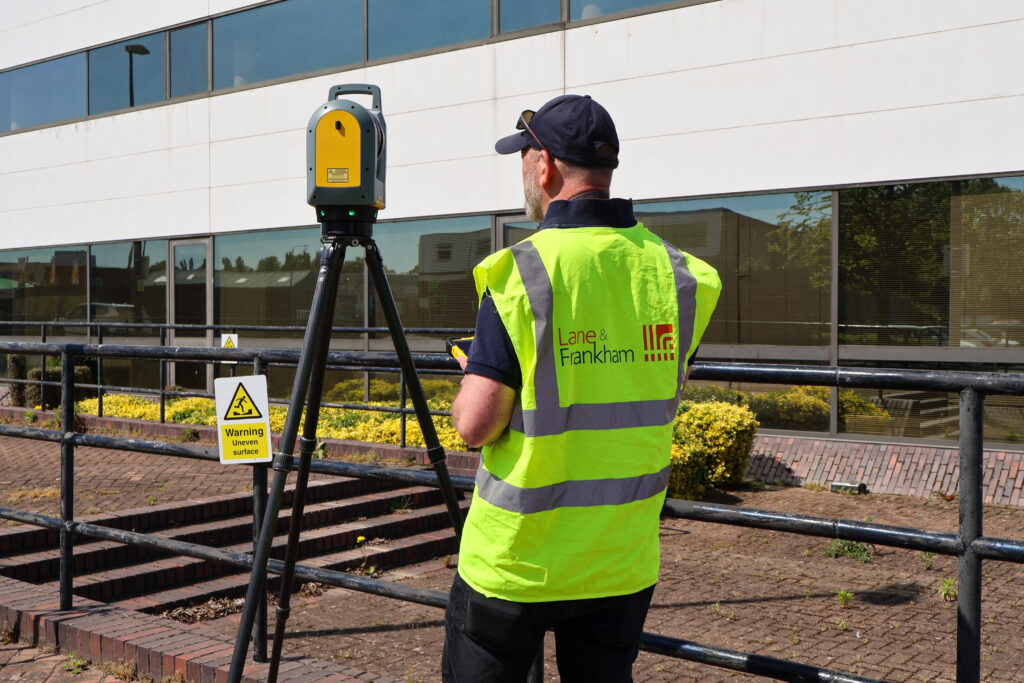
The challenge today isn’t simply producing information quickly. It’s making sure it’s accurate, dependable and available when it’s needed. Modern projects rely on good information at every stage, so the focus has shifted towards delivering confidence alongside efficiency.
The buildings themselves have changed as well. Modern developments contain more services, more technology and more complexity than they did a generation ago. Infrastructure projects are larger, more interconnected and often involve many more stakeholders. Surveying has grown alongside that complexity, becoming a much more integral part of the decision-making process.
That has changed the role of the surveyor too.
Technical expertise will always be essential, but experience, judgement and communication have become just as important. Clients aren’t just looking for accurate measurements. They need confidence that the information they’re working from is correct and that it has been interpreted properly.
Looking back over the last three decades, that’s what stands out to me most. The technology has transformed the way we work, but the biggest change has been the way the industry itself has evolved. Surveying has evolved alongside it, adapting to new ways of working while continuing to provide the reliable information that projects depend on.
At Lane & Frankham, we’ve evolved alongside those changes. While the tools we use have advanced enormously, our focus remains exactly the same as it always has been providing accurate, dependable information that helps people make confident decisions, whatever stage their projects are at.