Expert insights
The UK’s grid connection reform is more than a technical adjustment to the electricity network – it is a fundamental reset of how renewable energy projects are prioritised, progressed and ultimately delivered.
The UK’s transition toward renewable energy is accelerating rapidly. Government statistics released in April 2026 confirmed that 52.5% of the UK’s electricity was generated from renewable sources during 2025. Alongside increasingly ambitious decarbonisation targets, the falling cost of technologies such as solar, wind and battery storage continues to strengthen the business case for renewable energy development.
At the same time, recent geopolitical instability and volatility in fossil fuel markets have highlighted the UK’s continued exposure to imported oil and gas. Expanding homegrown renewable generation is therefore not only central to achieving climate objectives but also critical to improving national energy security and reducing exposure to international energy market shocks.
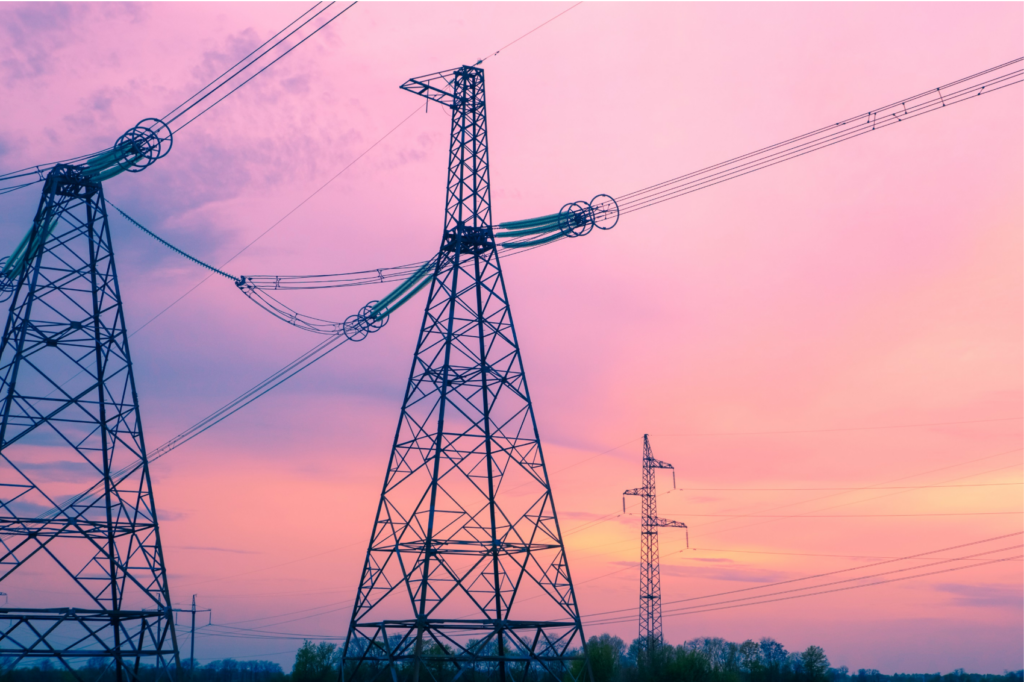
However, the UK’s electricity grid was originally designed around large fossil fuel power stations rather than large volumes of distributed renewable generation. As increasing numbers of solar, wind and battery storage projects seek grid connections, the system has become heavily congested, with connection delays stretching many years into the future.
Grid Reform is a Government and National Energy System Operator (NESO) initiative designed to modernise and accelerate the process through which renewable energy projects connect to the electricity network.
Historically, projects secured positions in the connections queue under a largely “first come, first served” system. This enabled many speculative or slow-moving projects to reserve network capacity without demonstrating that they were capable of being delivered. The result was a substantial backlog of projects significantly exceeding realistic electricity demand forecasts.
Under the new reforms, the system has moved towards a “first ready, first connected” model. Projects must now demonstrate that they are deliverable and strategically aligned with national energy objectives in order to secure and maintain their position in the queue.
The reforms also seek to better align future generation capacity with the Government’s Clean Power 2030 Action Plan and the UK’s 2035 international decarbonisation commitments.
The previous connections regime created severe delays across the energy sector. In some areas, viable renewable projects faced connection dates extending more than a decade into the future due to speculative projects occupying capacity.
This made long-term network planning increasingly difficult for engineers and slowed progress toward national clean energy targets.
Grid Reform is intended to address this by:
The reforms also give NESO greater oversight of how future solar, wind and battery storage capacity is distributed geographically across the network.
Renewable energy projects generally secure a grid connection through a two-stage process.
Initially, a developer applies to the local Distribution Network Operator (DNO) for a connection offer and secures land rights for the project site.
Projects then enter NESO’s Gate 2 process, where they are assessed against readiness criteria and wider strategic alignment considerations. Where a project successfully meets these requirements, it can secure a revised or confirmed Gate 2 connection offer.
The process is intended to ensure that limited network capacity is prioritised for projects which are realistic, deliverable and aligned with future energy system needs.
Planning has now become one of the most important factors in determining whether renewable energy projects retain their place within the connections queue.
Under the reformed system, projects must achieve and maintain a series of Queue Management milestones to demonstrate ongoing progress. Failure to meet these milestones can result in loss of queue position and potential termination of the DNO connection agreement.
The principal milestones include:
For projects subject to the Transmission Entry Assessment (TEA) gated process, these milestones are closely linked to maintaining Gate 2 queue protection.
M1 – Submit Planning
At M1, developers must provide evidence to the DNO that a valid planning application has been submitted.
For Town and Country Planning Act (TCPA) applications, this generally includes:
M2 – Achieve Planning
At M2, developers of TCPA renewable energy projects are generally required to provide:
Committee resolutions to grant planning permission are not usually sufficient until the formal decision notice has been issued and any associated legal agreements have been completed.
The consequences of failing to achieve Queue Management milestones can be significant. Projects may lose their protected position within the queue, and the DNO may ultimately terminate the connection agreement.
As a result, renewable energy projects increasingly require programme-led planning strategies that work backwards from the offered grid connection date and align planning progress with Queue Management milestone requirements.
Planning is therefore no longer simply a development consent exercise — it is now a critical component of securing and maintaining access to the electricity network.
Frankham is well positioned to support developers navigating the increasingly close relationship between planning strategy and grid procurement.
Our planning and consultancy teams assist clients throughout the development lifecycle, from initial feasibility and site assessment through to the preparation and delivery of robust planning applications aligned with DNO and NESO milestone requirements.
By identifying risks early and implementing programme-led consenting strategies, we help developers protect their position within the connections queue and improve the deliverability of renewable energy projects across the UK.
For further information regarding planning support for renewable energy projects, please contact alex.mccombie@frankham.com.