
Expert insights
The publication of the August 2026 National Planning Policy Framework (NPPF) strengthens the planning framework for renewable energy and electricity infrastructure.
While the December 2024 NPPF was already supportive of renewable energy, the 2026 Framework goes further, particularly through its emphasis on energy security, economic development, electricity network infrastructure and net zero.
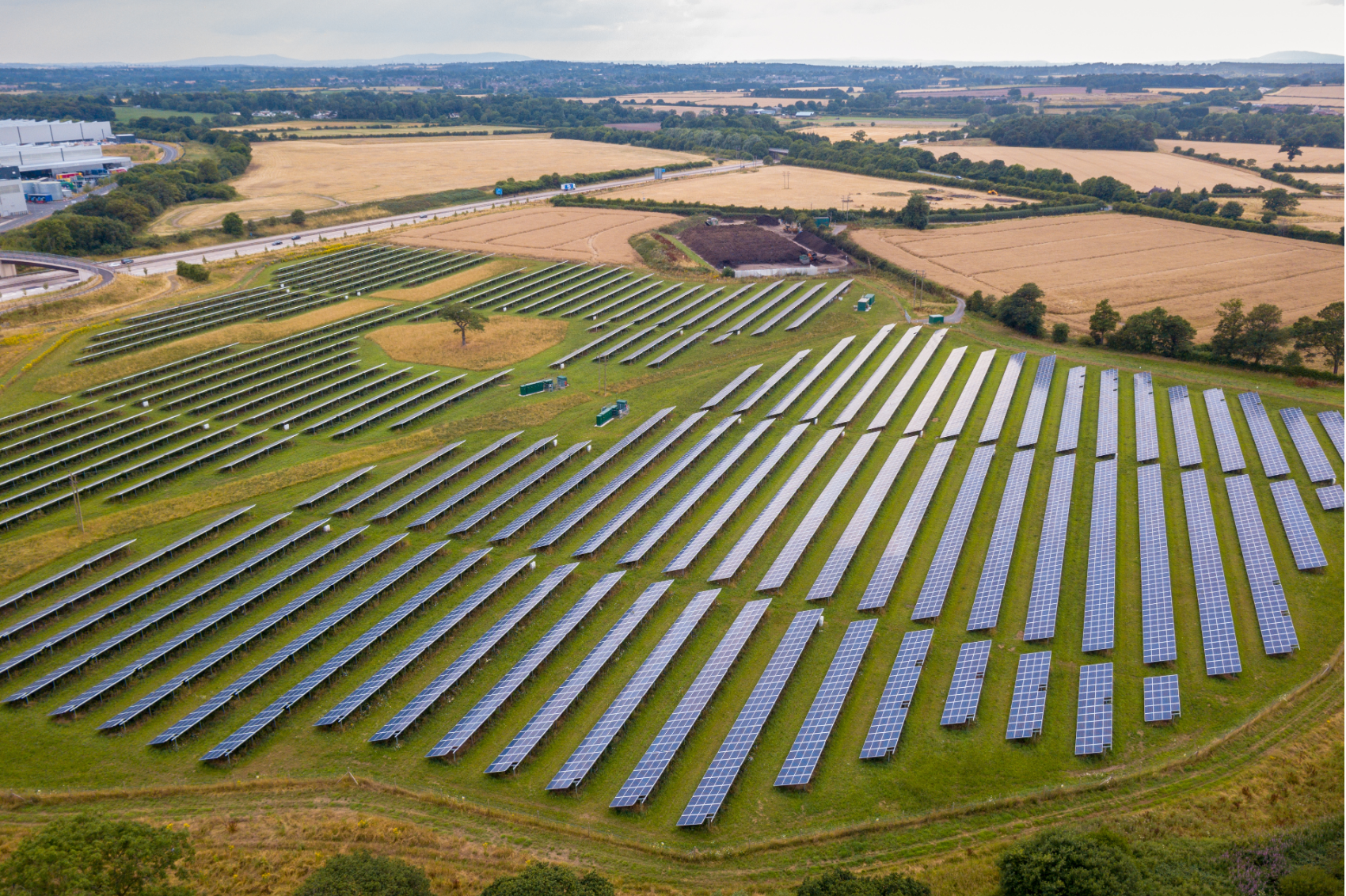
For renewable energy developers, five changes stand out:
One of the clearest changes is the move from ‘significant weight’ to ‘substantial weight’.
The 2024 NPPF required decision-makers to give significant weight to the benefits of renewable and low-carbon energy generation and its contribution towards achieving net zero.
The 2026 NPPF strengthens this position, stating that substantial weight should be given to the benefits associated with renewable and low-carbon energy development and electricity network infrastructure.
Importantly, the benefits now extend beyond climate change, with the Framework specifically recognising contributions to:
This strengthens the national policy basis for giving considerable weight to renewable energy when balancing its benefits against landscape, ecology, heritage, residential amenity and other site-specific impacts.
What does this mean for developers?
The benefits case should do more work within planning applications. Rather than simply demonstrating renewable electricity generation or carbon savings, applications should clearly articulate the project’s contribution to energy security, economic growth and the transition to a net zero electricity system.
The UK’s energy transition is no longer framed solely as a climate change issue.
The 2026 NPPF explicitly places energy security alongside net zero and economic development when describing the benefits that should attract substantial weight.
For solar, the planning case can therefore extend beyond decarbonisation. Increasing domestic electricity generation can contribute to a more secure energy system and reduce exposure to international energy markets.
For Battery Energy Storage Systems (BESS), the argument can be even broader. Storage provides flexibility to a system increasingly reliant on intermittent renewable generation, helping to balance supply and demand and make more effective use of renewable generation.
What does this mean for developers?
The question is increasingly not just, “How much renewable energy will this project generate?”, but “What role will this project play in delivering a secure, flexible and low-carbon electricity system?”.
The 2026 NPPF brings renewable energy generation and electricity network infrastructure into the same policy framework.
The Framework expects development plans to plan positively for increased renewable and low-carbon energy and electricity network infrastructure, including identifying suitable areas where appropriate.
This reflects the reality of the UK’s changing electricity system. More renewable generation requires more:
Generation cannot realistically be planned independently from the infrastructure required to connect and operate it.
What does this mean for developers?
For BESS and grid infrastructure in particular, the planning case should explain the project’s role within the wider electricity system, rather than focusing solely on the physical characteristics of the development.
A longstanding challenge has been the relationship between national support for renewable energy and the absence of suitable sites identified through local plans.
The 2026 NPPF does insist that development plans should seek to support the transition to clean power by identifying areas that are suitable for renewable and low-carbon energy and electricity network infrastructure.
However, in the intervening period, before suitable locations for this type of development emerge within local plans, the 2026 NPPF provides greater clarity on how proposals should be considered.
Where renewable energy or electricity network infrastructure proposals come forward outside areas identified as suitable in the development plan, they should be assessed against the national decision-making policies in the NPPF as a whole.
This is important because local plans can take many years to prepare, while the UK’s energy requirements are evolving rapidly.
The approach does not make site selection irrelevant. Landscape, biodiversity, heritage, agricultural land, residential amenity and other considerations remain important.
However, the absence of a specific renewable energy allocation should not, by itself, determine whether a project is acceptable.
What does this mean for developers?
There is a stronger national policy basis for promoting well-sited projects where local policy has not specifically identified the site for renewable energy.
The 2024 NPPF already recognised the benefits of using established renewable energy sites for repowering and life extension. The 2026 Framework strengthens this by giving substantial weight to these benefits.
This could become increasingly important as the UK’s renewable energy portfolio matures.
Repowering or extending an established site can make use of existing:
It can also allow developers to make more efficient use of sites as technology evolves.
The policy recognises that the UK’s clean energy transition isn’t simply about building more renewable projects. It is also about making better use of the renewable infrastructure already in place.
What does this mean for developers?
Existing renewable energy sites should increasingly be viewed as strategic assets, creating opportunities for repowering, extension, co-location and life extension.

Taken together, these changes represent a notable strengthening of the national planning framework.
The 2026 NPPF provides a clearer policy basis for viewing renewable energy and electricity infrastructure as essential components of the UK’s future energy system, rather than simply individual development proposals.
For developers, the opportunity is to make greater use of the strategic benefits case.
The strongest applications will not simply demonstrate that a project generates renewable electricity. They will explain how it contributes to:
The direction of travel is clear: planning is increasingly being asked not just to accommodate the energy transition, but to help deliver it.