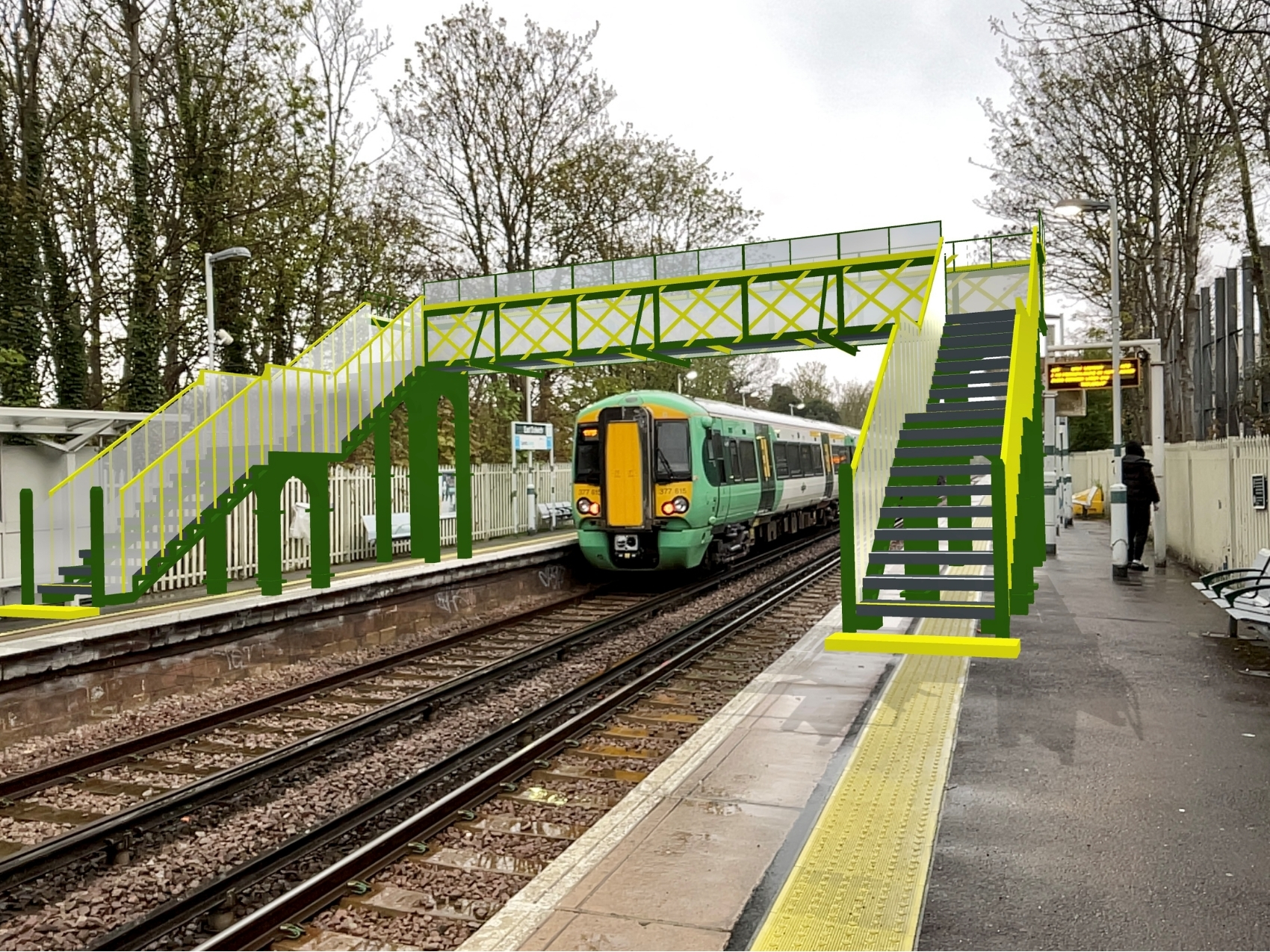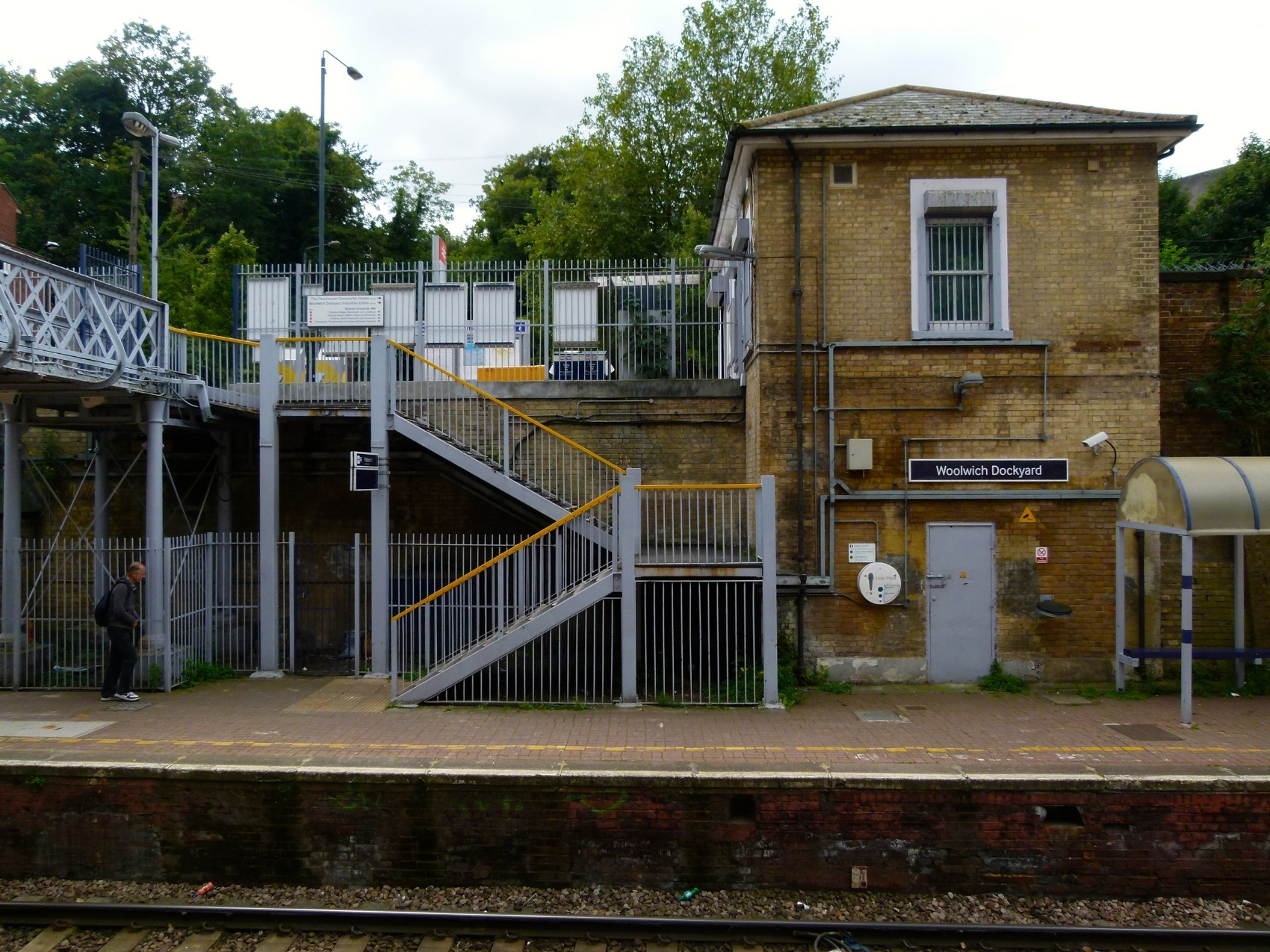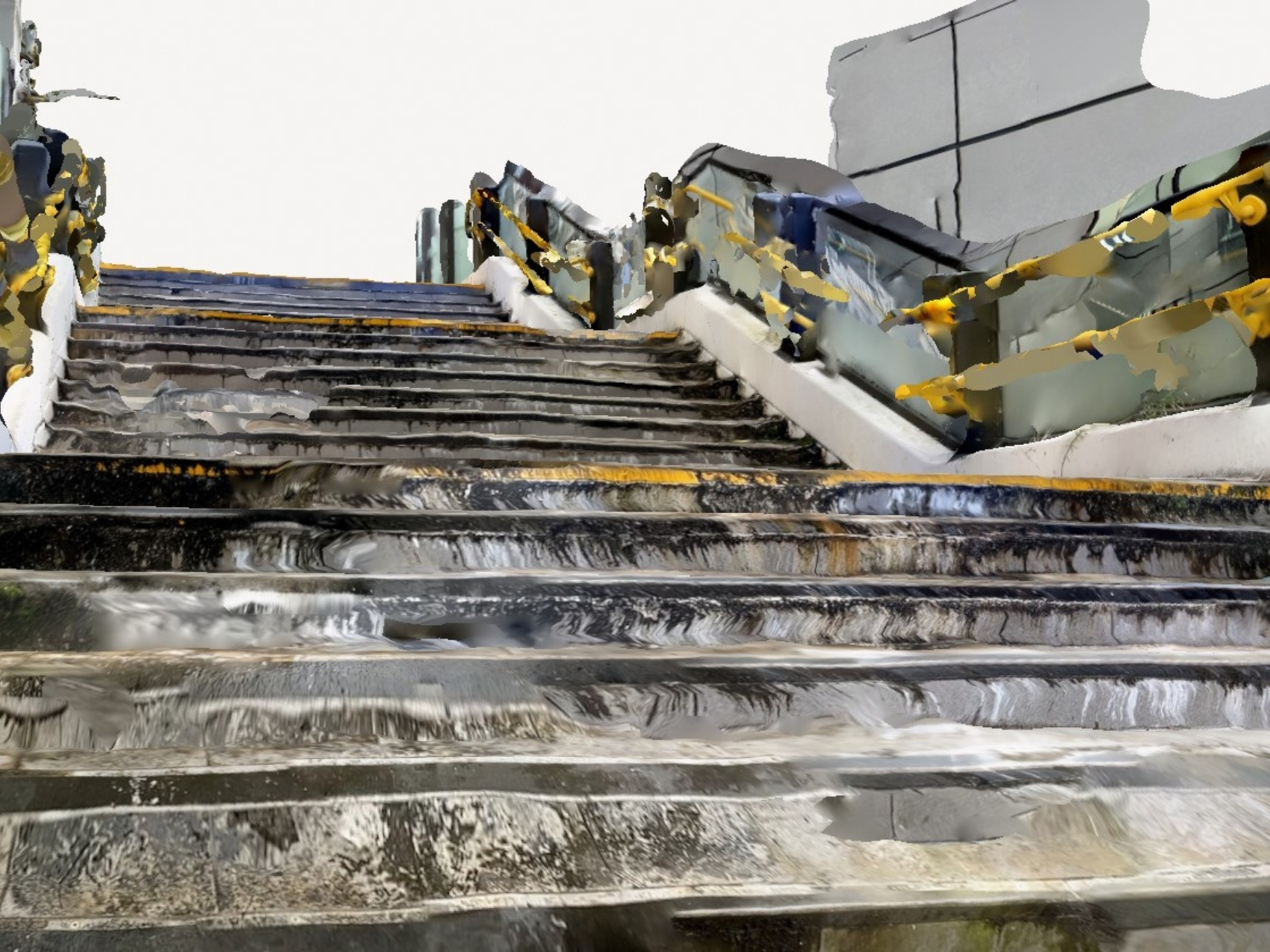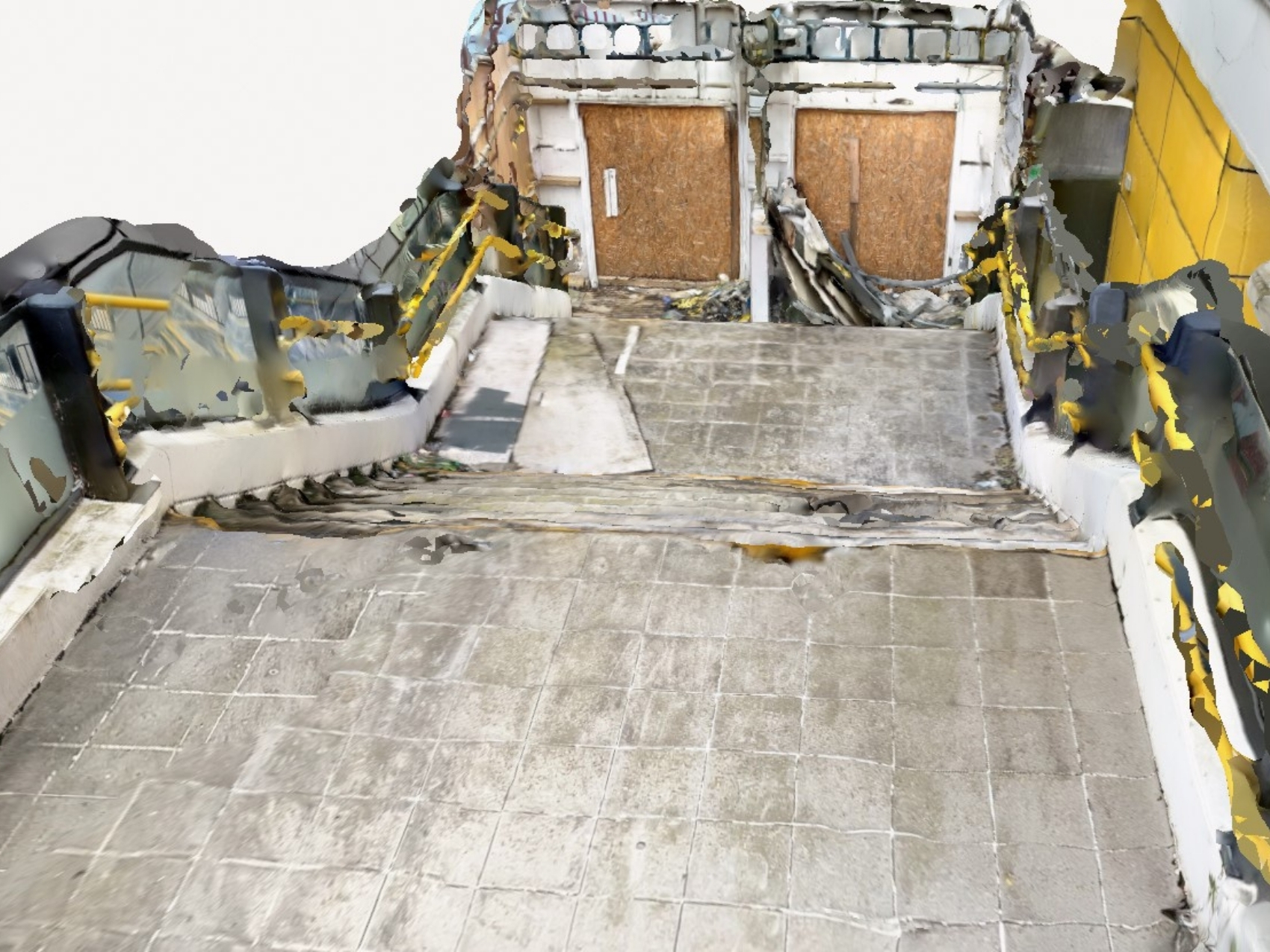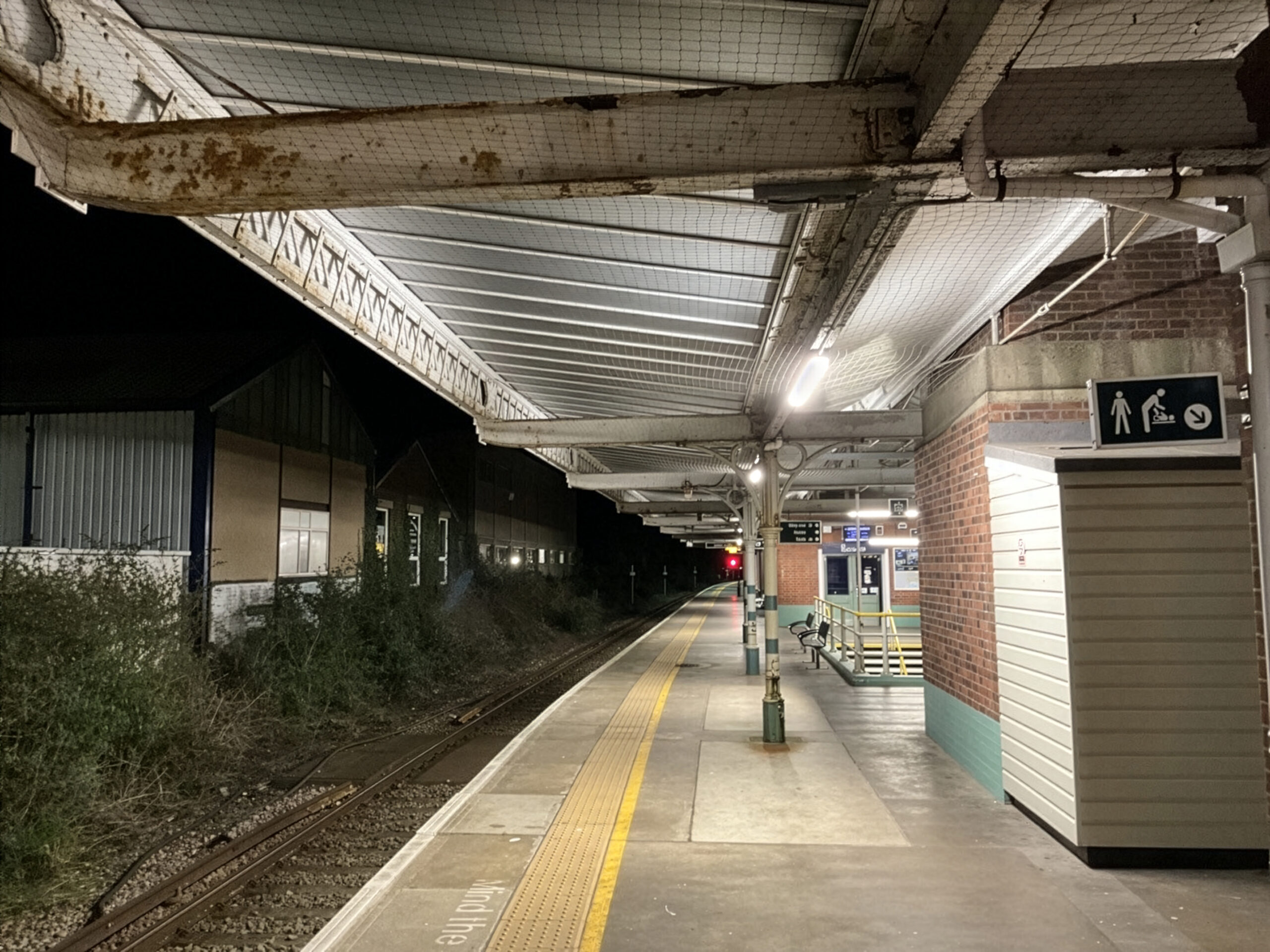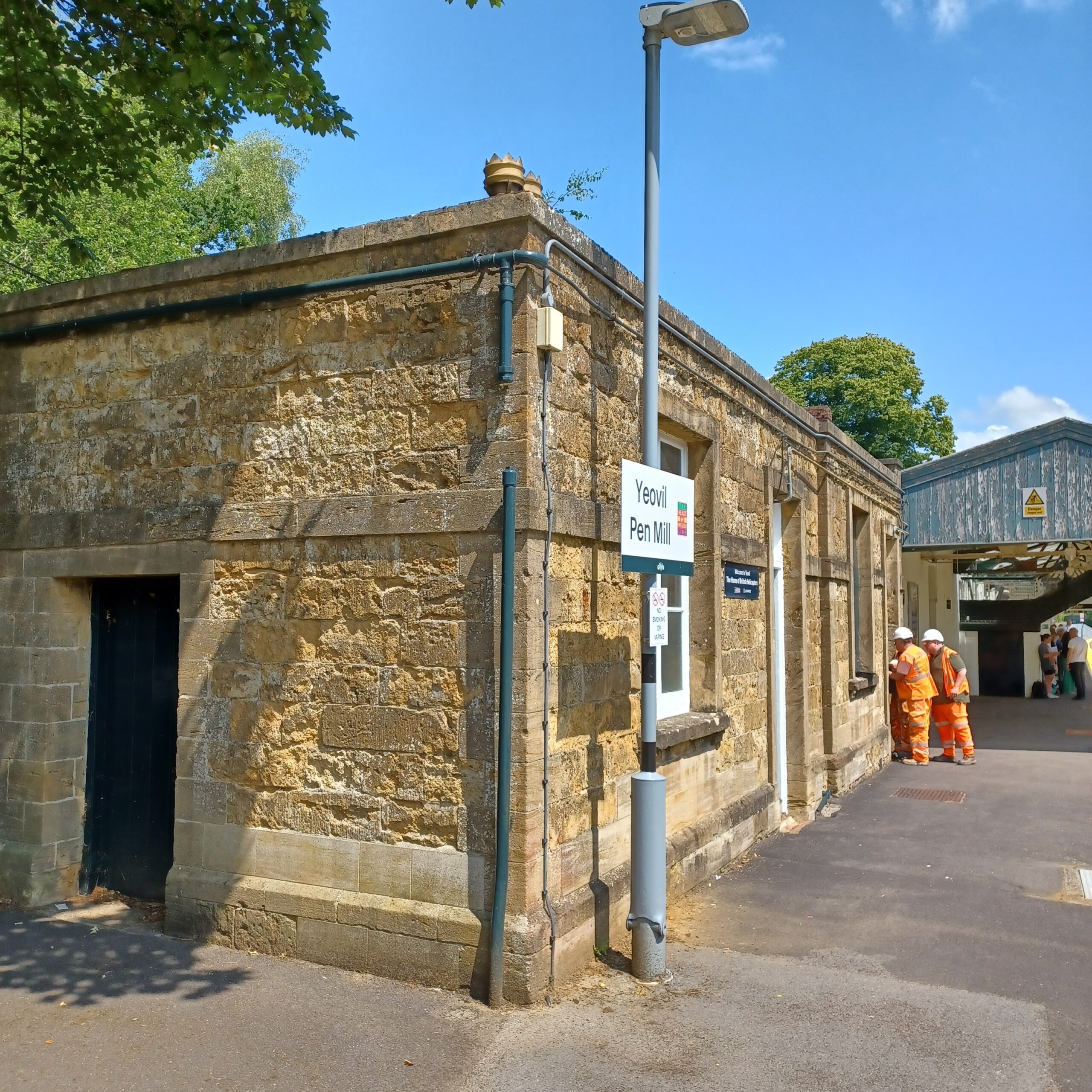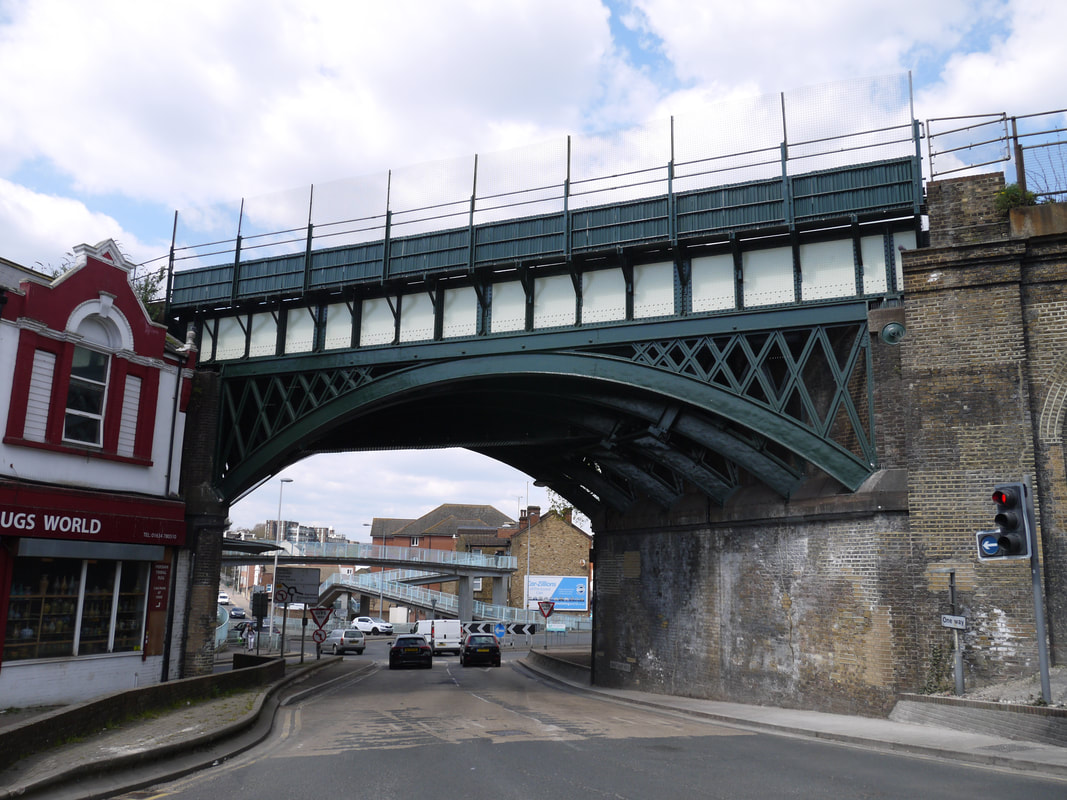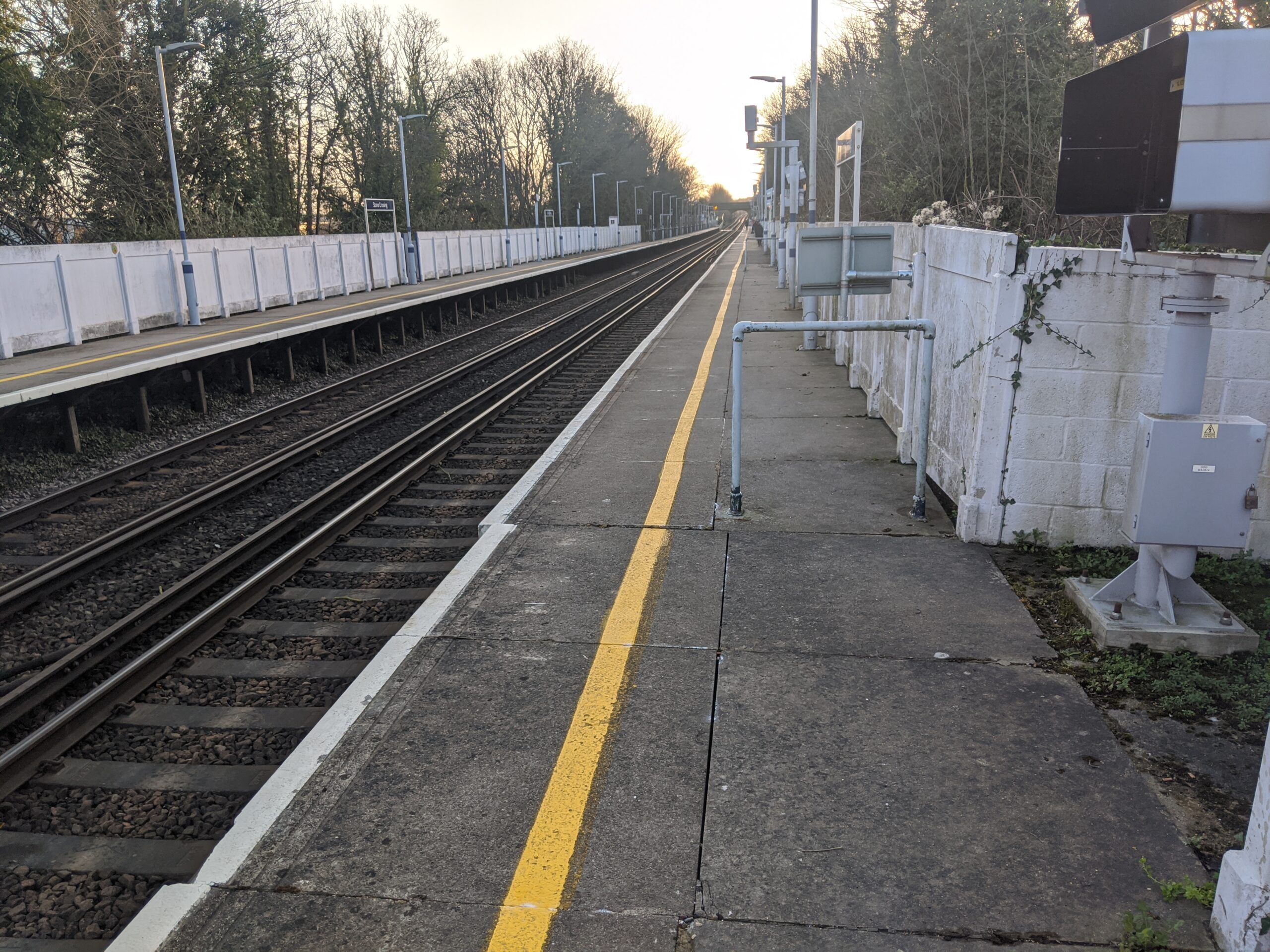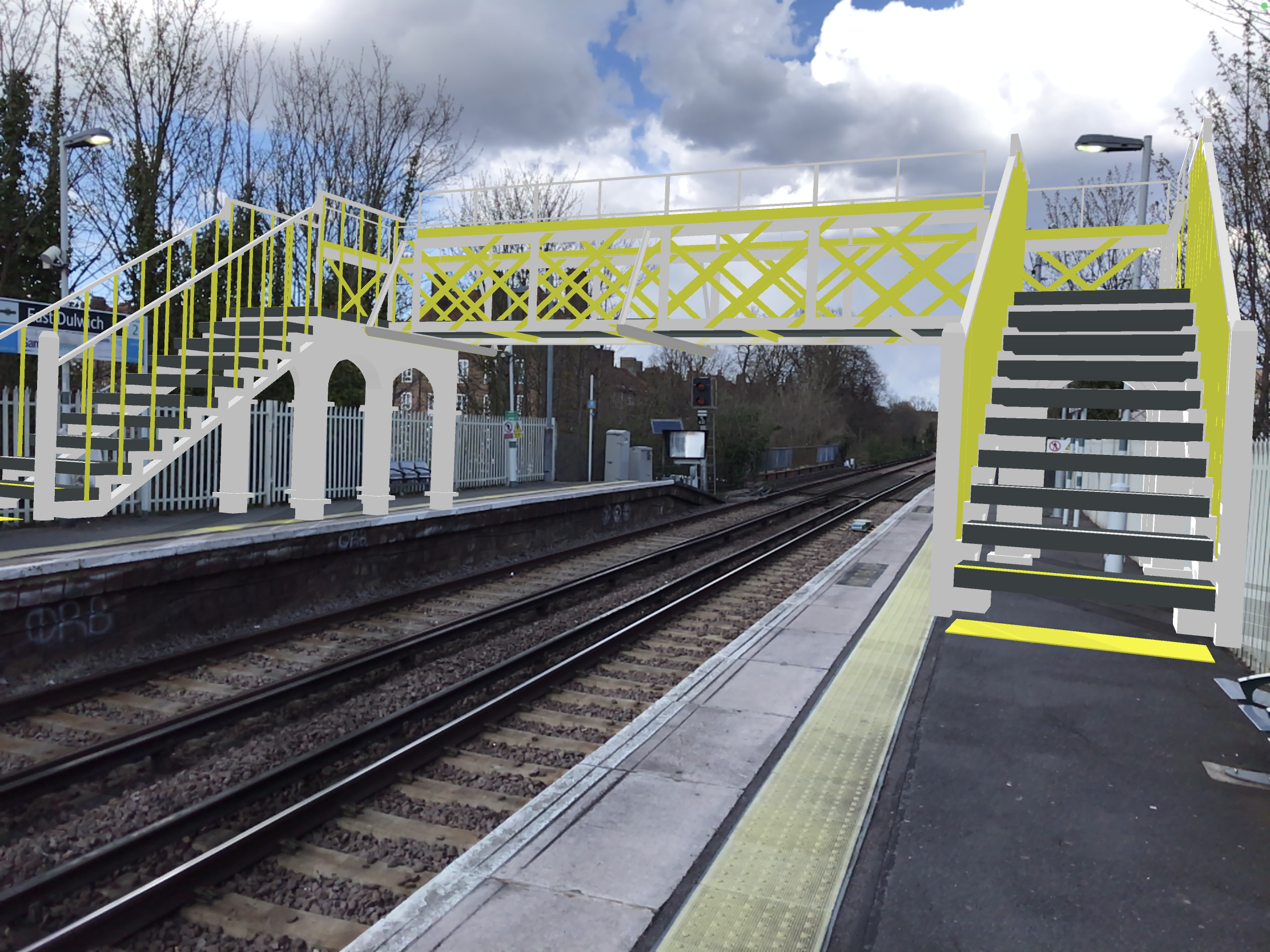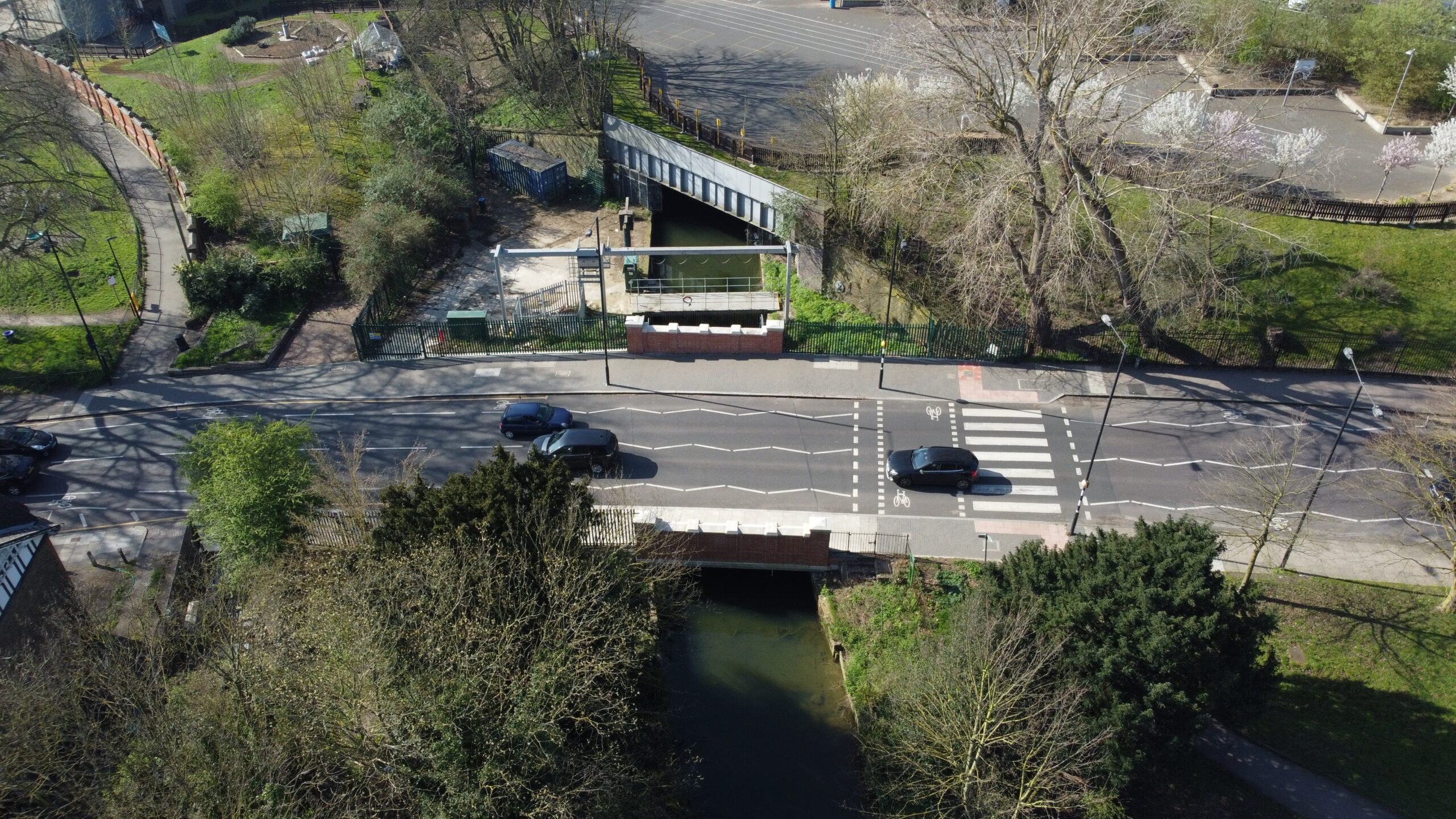
Frankham provided civil engineering design assurance services for the implementation of over 20 refurbishment and strengthening projects of footbridges in the Sussex and Kent regions over a 5-year period.
- BAM Nuttall
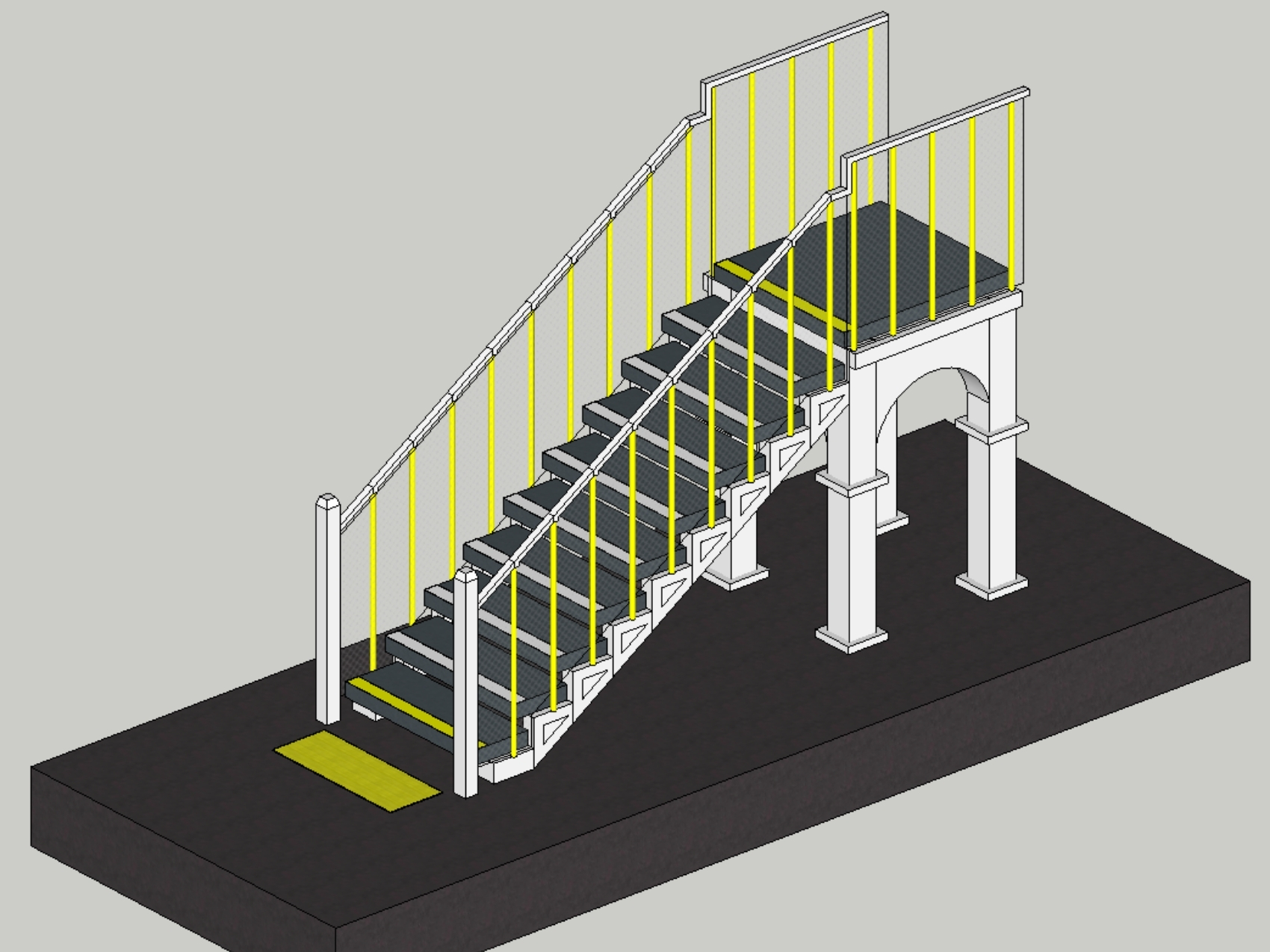
The footbridge strengthening projects involved optioneering, structural assessment reviews, development of practical strengthening solutions that align with the original structural design while aiding constructability within possessions, the design of new decking and handrails, and upgrading staircases to meet the requirements of the Equality Act. Frankham undertook the following services on these schemes:
- Structural and measured surveys
- Survey specifications
- Topographical surveys
- Feasibility studies and optioneering
- Structural assessment
- Detailed design of repairs and strengthening
- Temporary works design
- CAT1 and CAT2 check
- Design assurance: Form A/B/C/G
- Engineering assurance: CRE competency for Permanent Design and Temporary Works
At the framework inception, Frankham developed a Project Execution Plan and Project Directory, which outlined the lines of communication, roles and responsibilities and a Communication Management Plan (CMP) with the contractor and Network Rail. This clearly set defined engagement and communication processes, with a focus on collaborative working and stakeholder communication throughout all stages of the project. The CMP included:
- The project brief with all key stakeholders
- Agreed lines of communication and reporting structure
- The defined problem-solving hierarchy
- Key milestones for delivery
- Schedule of regular project reviews and team meetings
Frankham are accredited to ISO 9001 and RISQS. Our Business Management System Work Procedure is our Quality and Assurance Procedure for design deliverables.
The purpose of this document is to ensure that a project’s deliverables comply with the client project brief, project specification; accuracy of information; required information level of detail, professional standards/duty of care and our internal document/information control procedures and policies: naming conventions; filing location and the templating of documents so that the final deliverable structuring of the text follows basic rules and is easier for managers, colleagues and auditors to interrogate and approve.