HCE, Propping Review, Assessment, and Refurbishment Design.

Transport
Overview

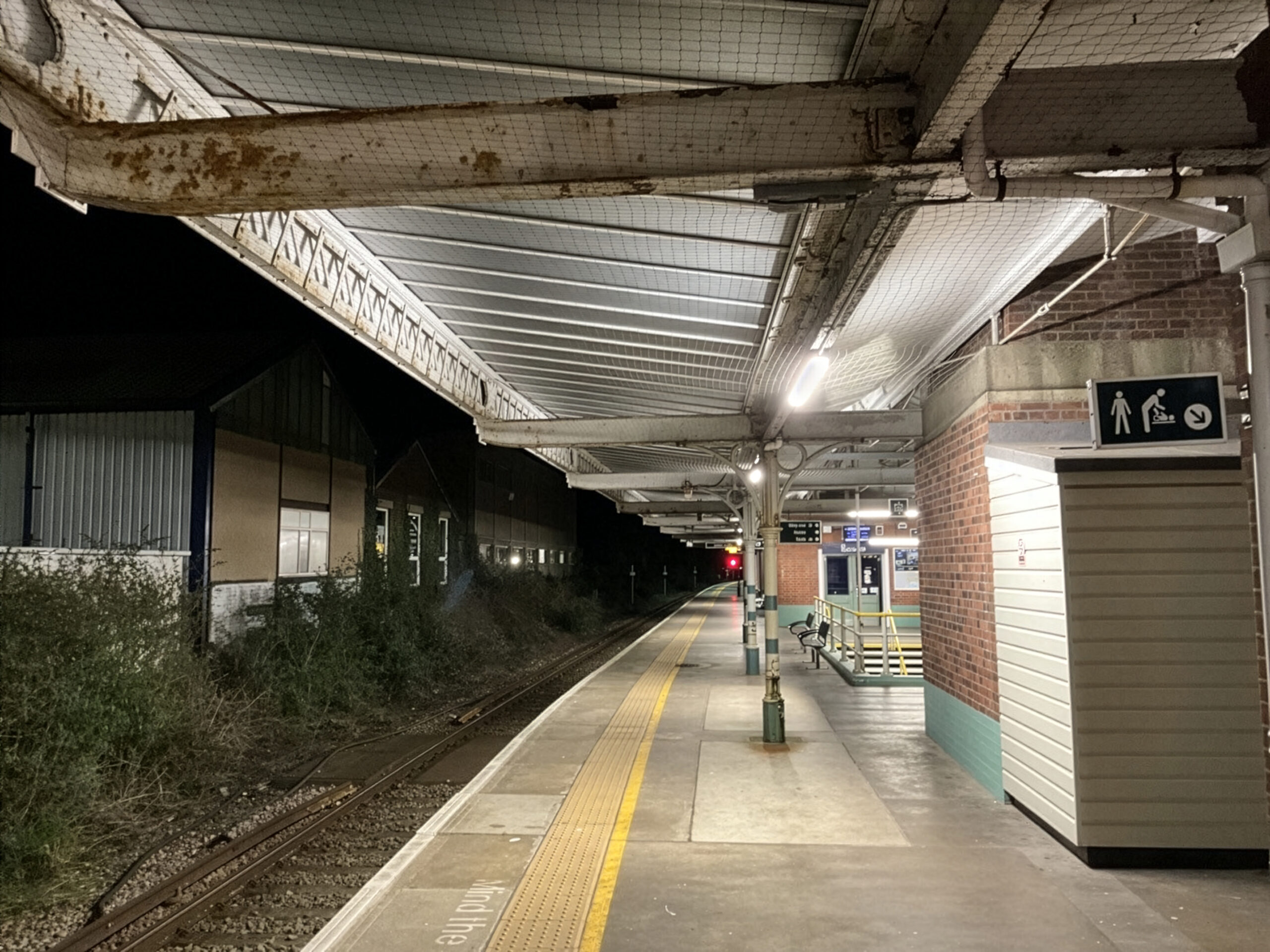
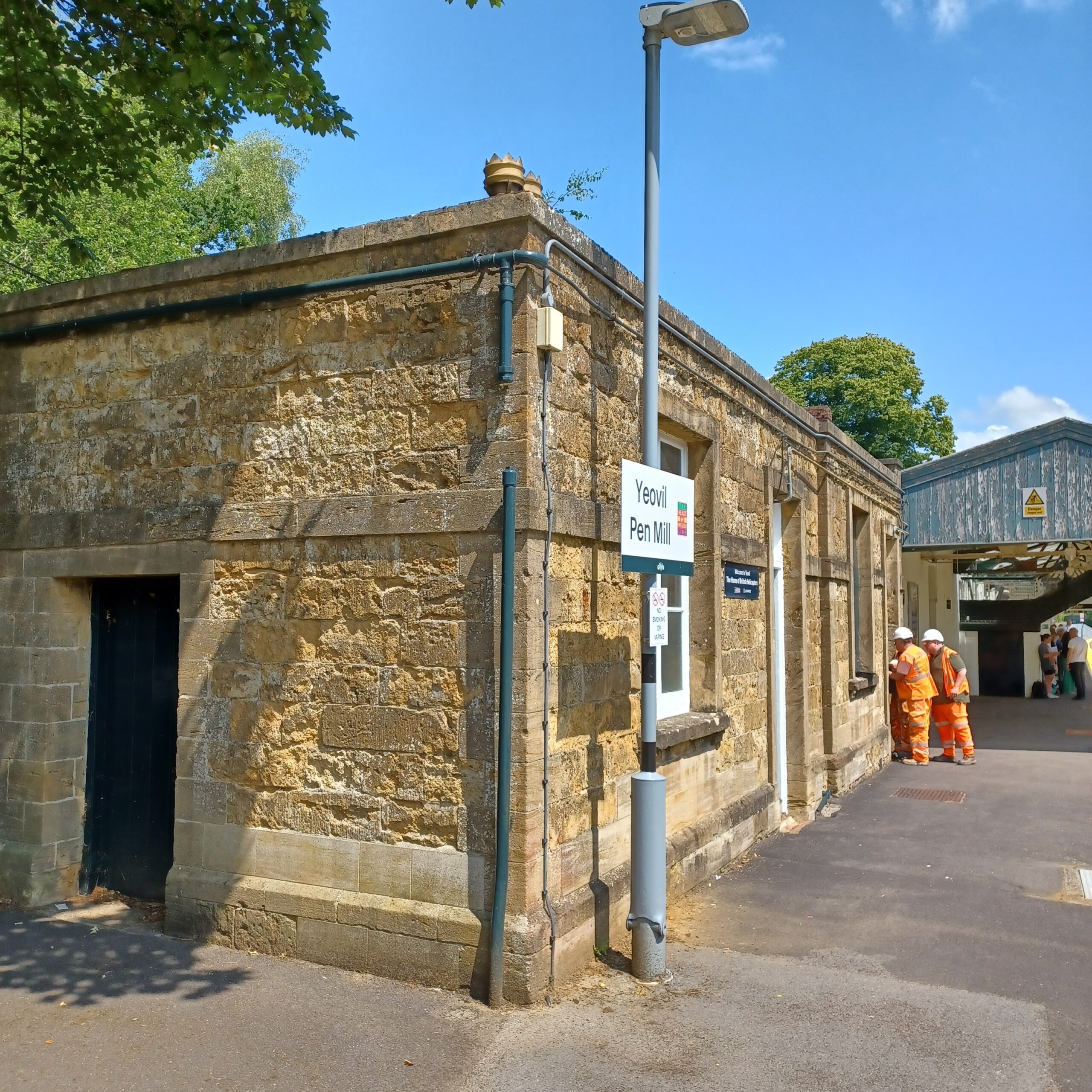
Frankham were commissioned to undertake a Hidden Critical Element (HCE) examination for Platform 1, along with additional services following identification of urgent defects.

Client
  • Octavius
Sector
Services
  • Rail Infrastructure Engineering
Project Focus

The in-house services undertaken by Frankham on the project included:

  • Hidden Critical Element (HCE) Examination
  • Contractors Responsible Engineer Design (CRE-D)
  • Lead Designer – Design coordination
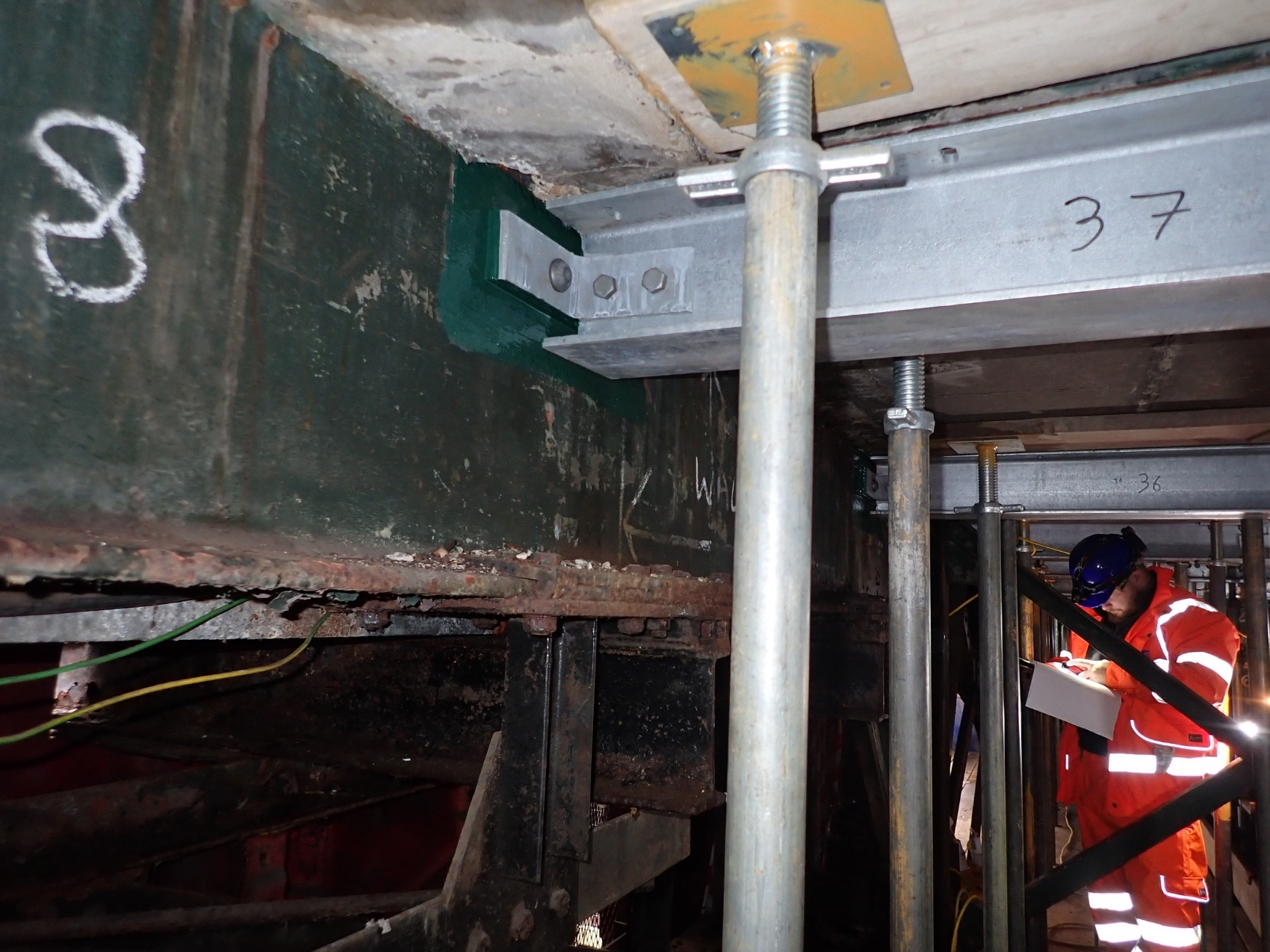
  • Trackside coper support inspection and temporary works design
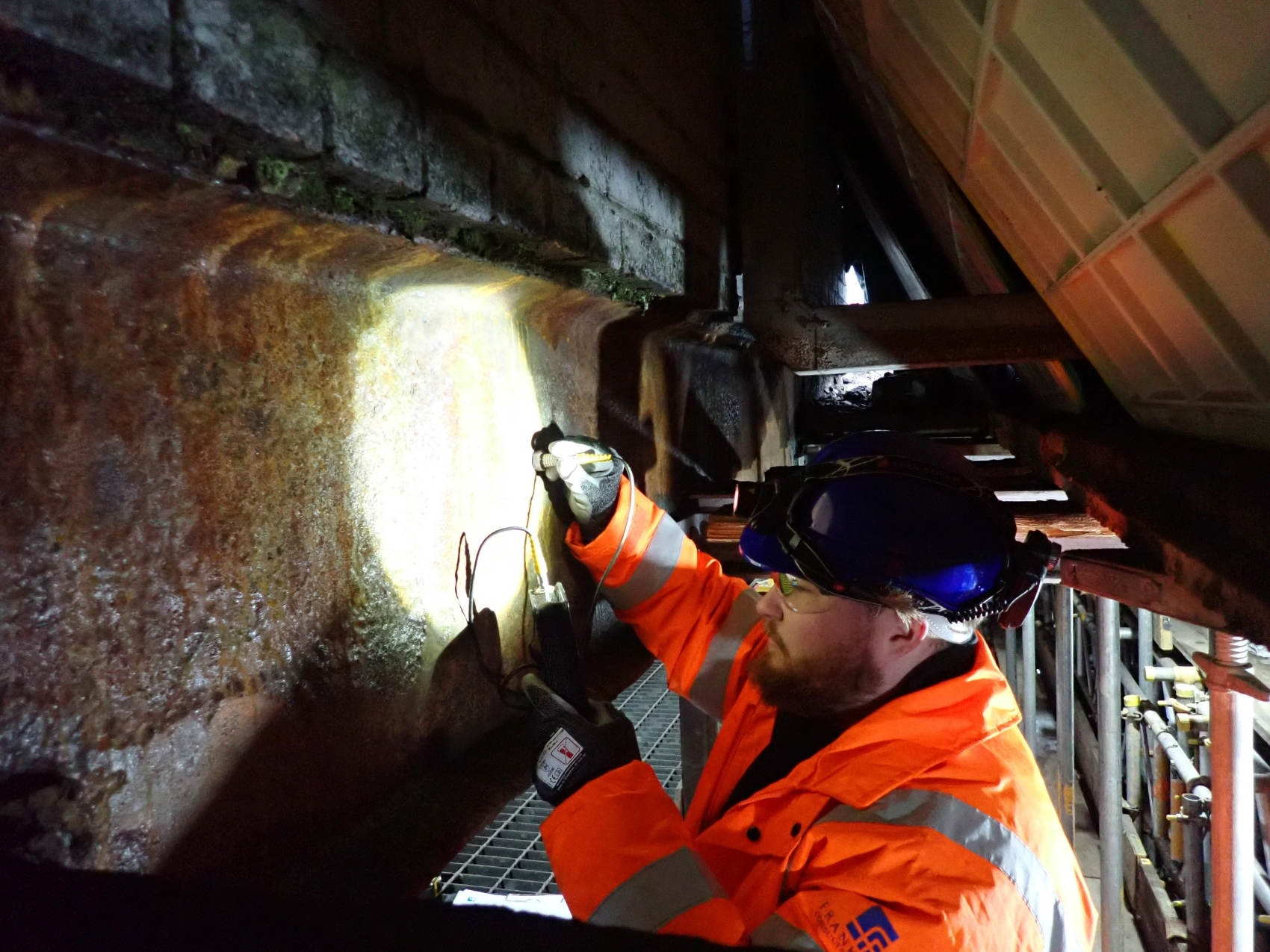
  • Corrosion inspection and section loss survey using Ultrasonic Thickness Gauge (UTM) device
  • Combination of inspection techniques to compile the Inspection for Assessment (IFA)
  • Design of replacement support-beam
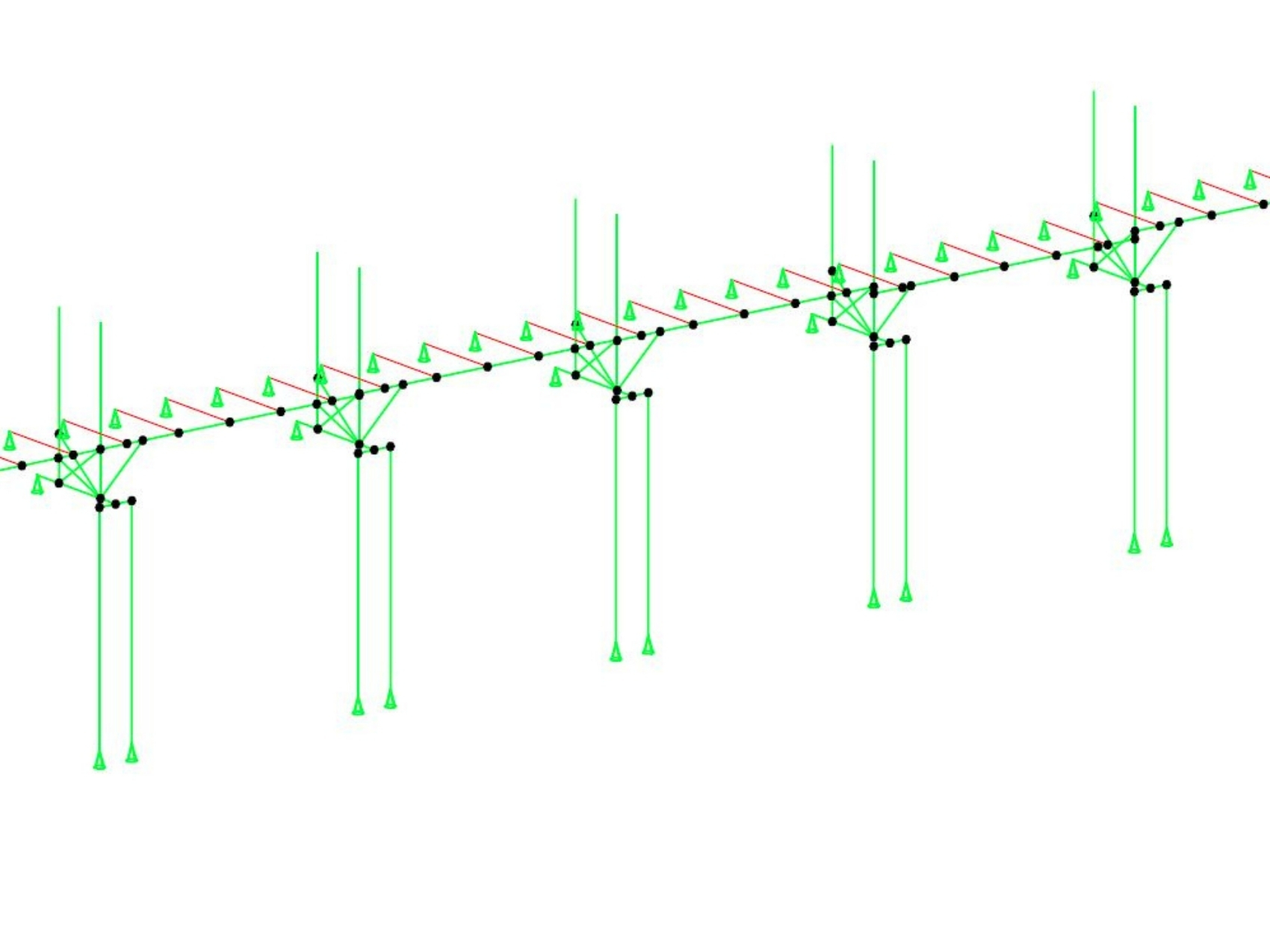
  • Level 1 and 2 assessment of platform support structure
  • Design Assurance Forms
  • Site query support
  • Designer’s Risk Assessment
  • Working for the contractor on this project whose client was the main asset owner
The Challenge

The project was unplanned and one of the largest reactive projects we had completed at the time.

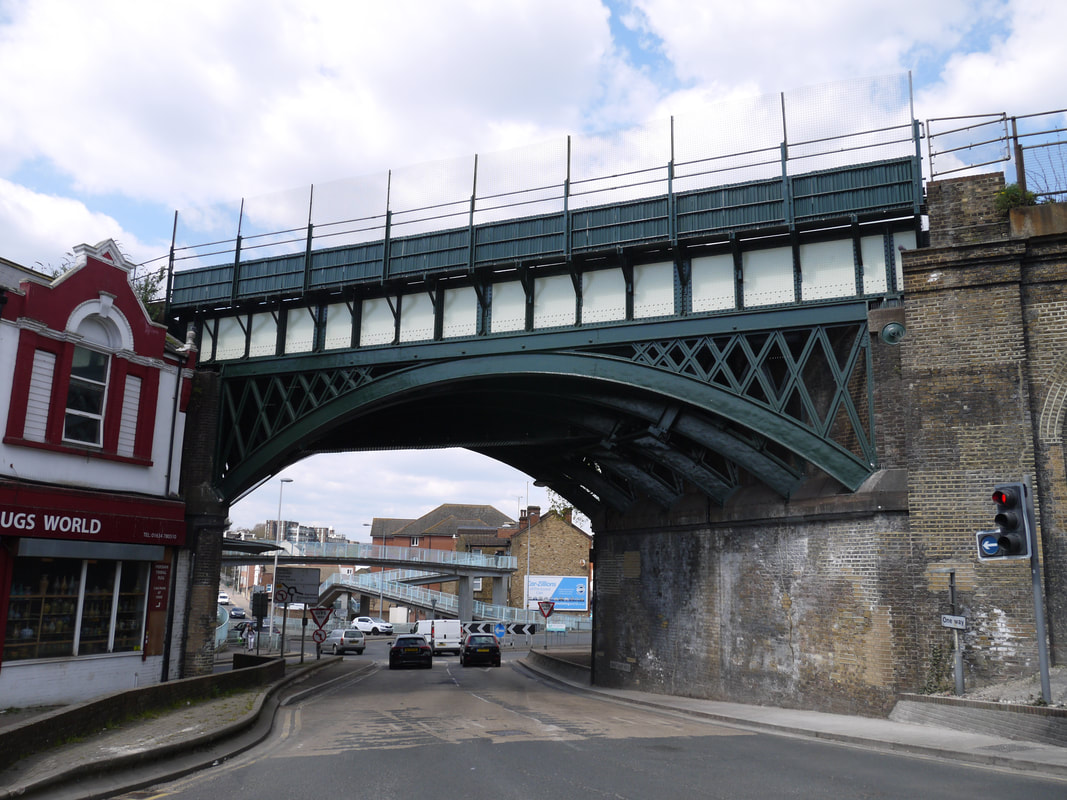
The local authority was a stakeholder as traffic management had to be put in place around a temporary scaffold that was put up to make the structure safe until the work could be evaluated, designed, and constructed.

Additional defects and issues came to light as the project progressed. We overcame this promptly by providing professional and technical advice, adding resources and working closely with the supply chain and our client.

Our team delivered under pressure and handled the difficult and technical issues professionally. One of the main drivers were the stakeholders it impacted: the travelling public – both road and rail, and the tenants in the arches below.

Sustainability

The beams that were designed and replaced were identified as being beyond the end of their serviceable life during the HCE examination.

The findings showed they were in need of urgent replacement. The failed beams effectively provided implied horizontal restraint to the overall support structure columns as well as direct vertical support to the overlying platform deck slabs and surfacing. The remaining elements were severely corroded also.

Engineering judgement identified that these could potentially be reused, therefore reducing the need to replace materials, extend the work programme and negatively impact the carbon content of the project.

Project lead

Download the full case study